Make Bedroom Look Bigger: 20 Detailed Ideas to Transform Small Spaces into stylish room
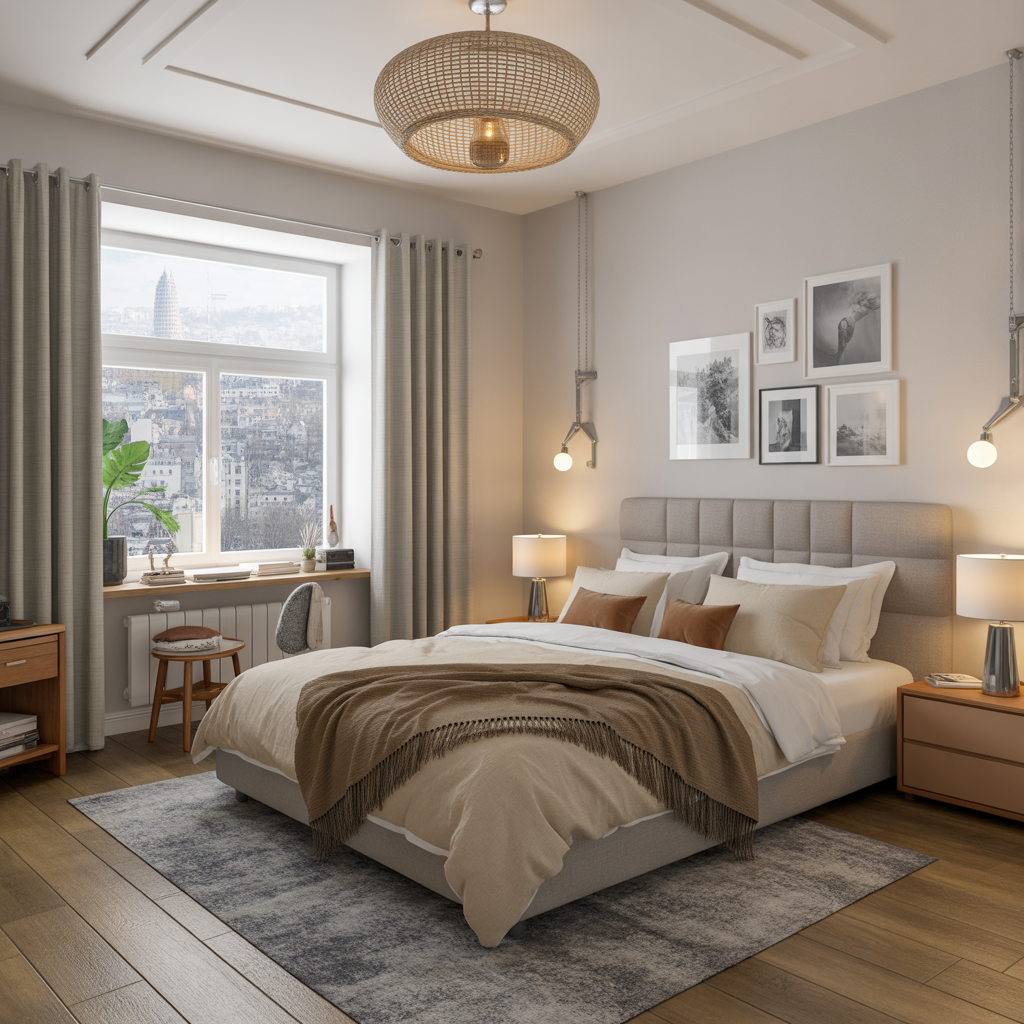
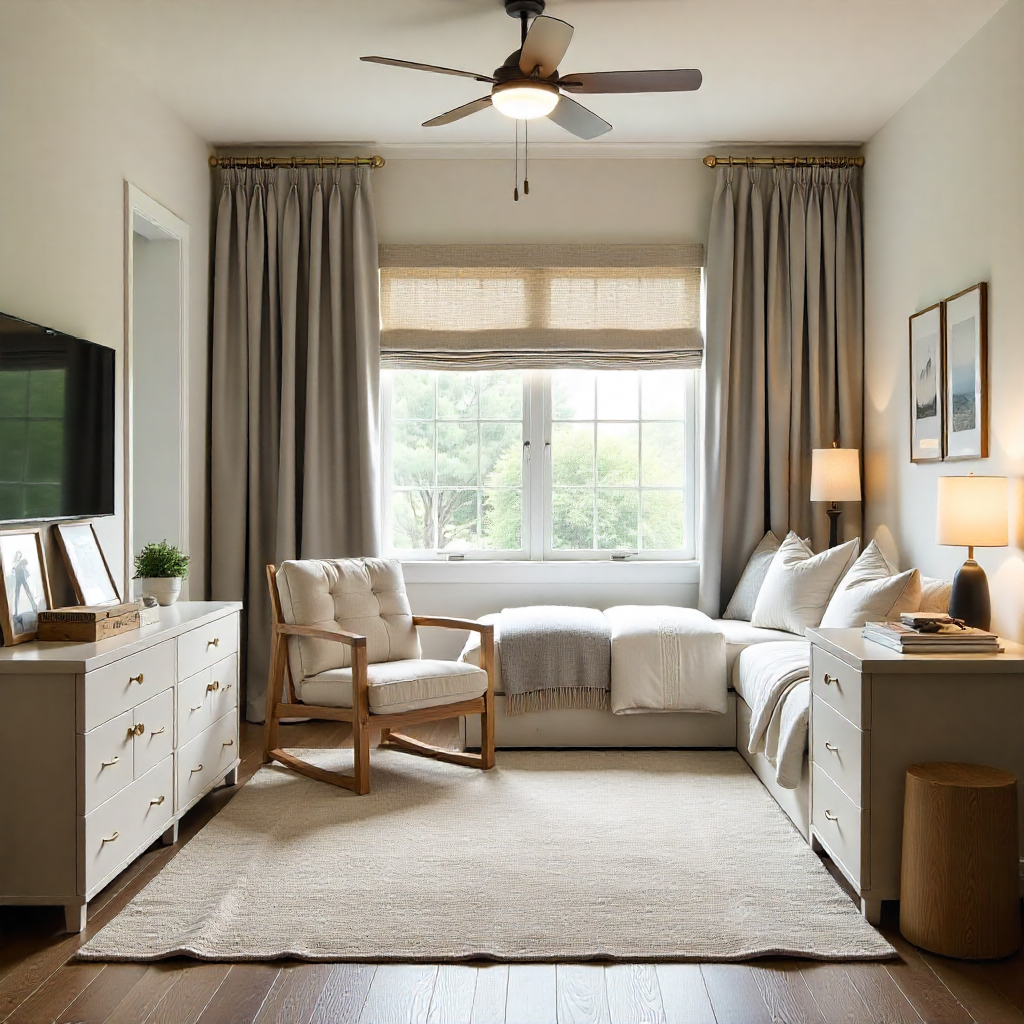
A small bedroom doesn’t have to feel restrictive. With thoughtful design choices, you can create a space that feels airy, welcoming, and functional. The challenge is balancing style with practicality in a limited footprint. The right mix of color, lighting, furniture, and layout can visually make bedroom look bigger—sometimes doubling the perceived size without knocking down walls.
In this guide, you’ll find 20 highly detailed ideas, each packed with practical strategies, styling tips, and real-life applications. Whether you’re tackling a studio apartment, a cozy guest room, or a compact master, these solutions will help you design a bedroom that feels open and inviting.
Embrace Light Colors for the Walls
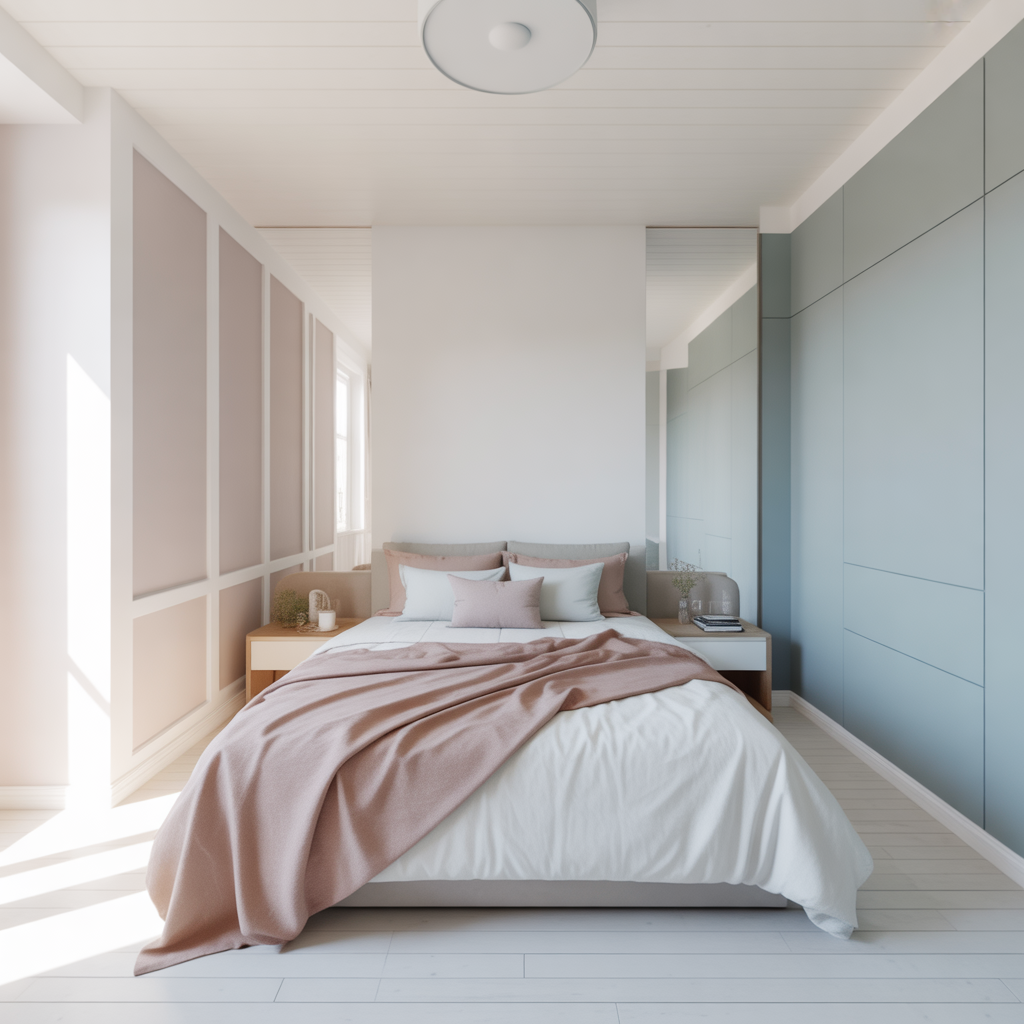
Light shades work wonders in opening up tight spaces. White, ivory, soft gray, or muted pastels reflect natural and artificial light, brightening the room. This creates an airy, expansive feel that helps make bedroom look bigger.
For added dimension, consider:
- Monochrome layers: Pair a white wall with off-white trims and cream bedding.
- Accent softness: Use pale blue or blush as a feature wall to add personality without closing in the room.
- Matte vs. gloss: Matte paint reduces glare, while eggshell or satin finishes bounce light around more effectively.
Pro tip: Keep the ceiling pure white to give the illusion of height.
Use Mirrors to Expand Visual Space
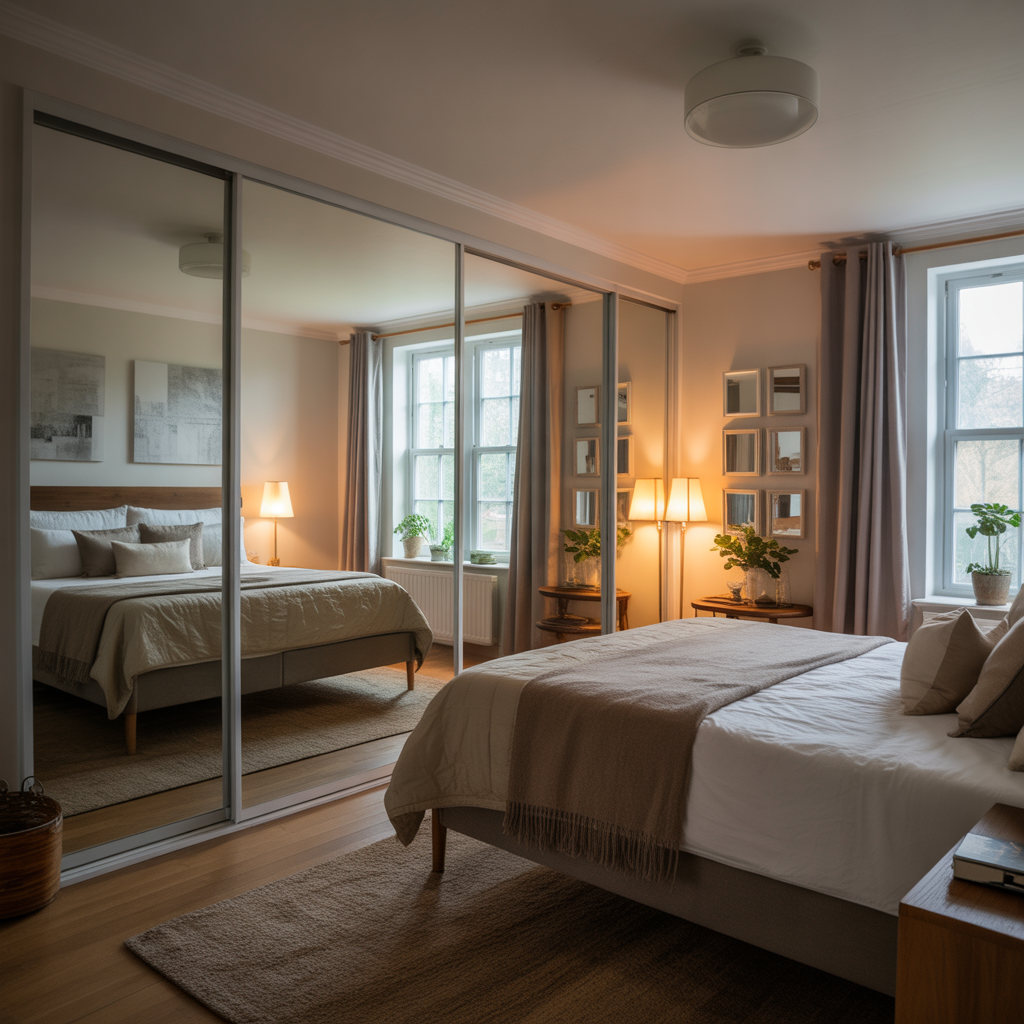
Mirrors are a designer’s secret weapon. They reflect light and scenery, instantly doubling perceived square footage.
Options include:
- Oversized wall mirrors: Place one opposite the bed or window.
- Mirrored closet doors: Functional and space-enhancing.
- Decorative mirror clusters: Small, stylish mirrors arranged in a grid.
Positioning is key. Place mirrors where they reflect natural light or open areas. For example, across from a window to bring in the outdoors or near a lamp to spread brightness. This simple addition can dramatically make bedroom look bigger.
Choose Multi-Functional Furniture
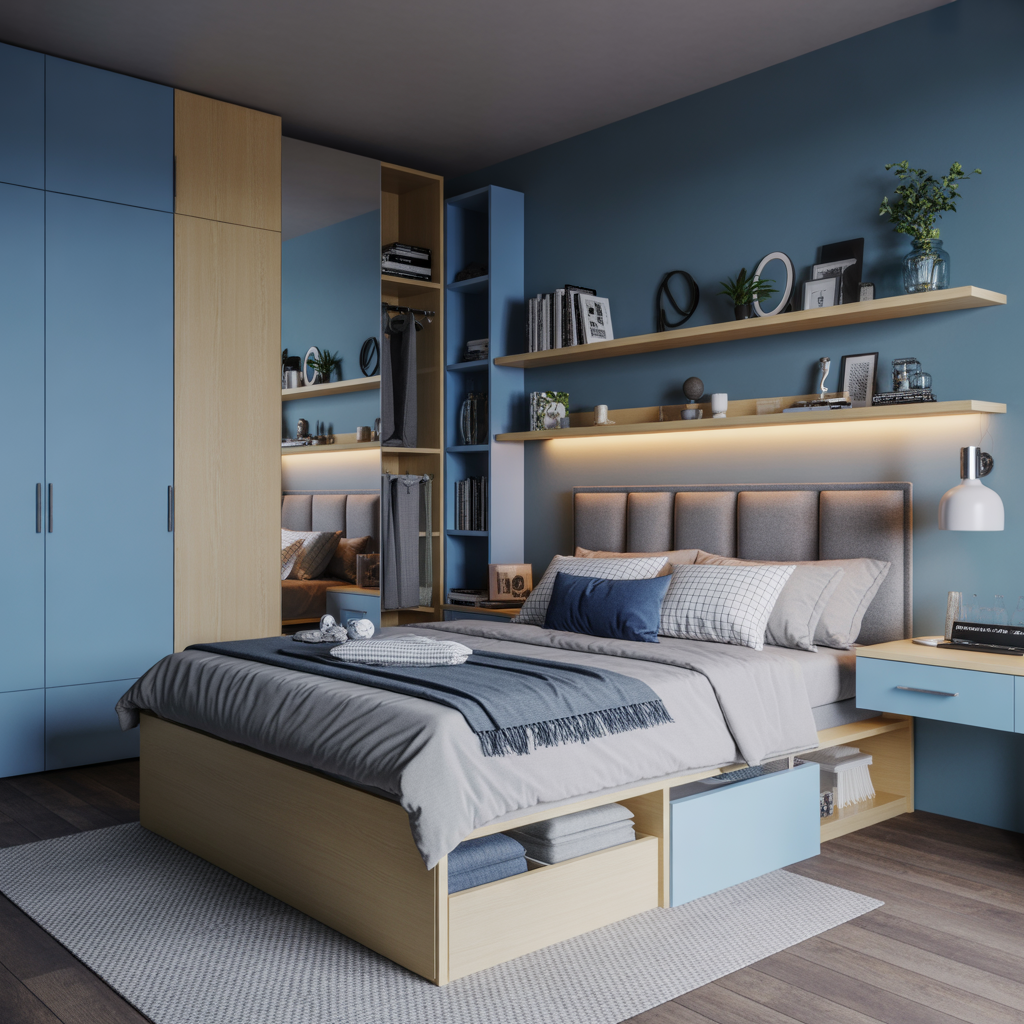
In small bedrooms, furniture should serve double duty. Each item that provides both storage and style saves floor space.
Examples:
- A storage bed with built-in drawers for clothes or bedding.
- A desk-vanity hybrid that functions for work and beauty routines.
- Ottomans with hidden compartments for blankets and extra pillows.
When every piece contributes to function and form, you can cut down on bulk and make bedroom look bigger without losing convenience.
opt for Floating Shelves and Furniture
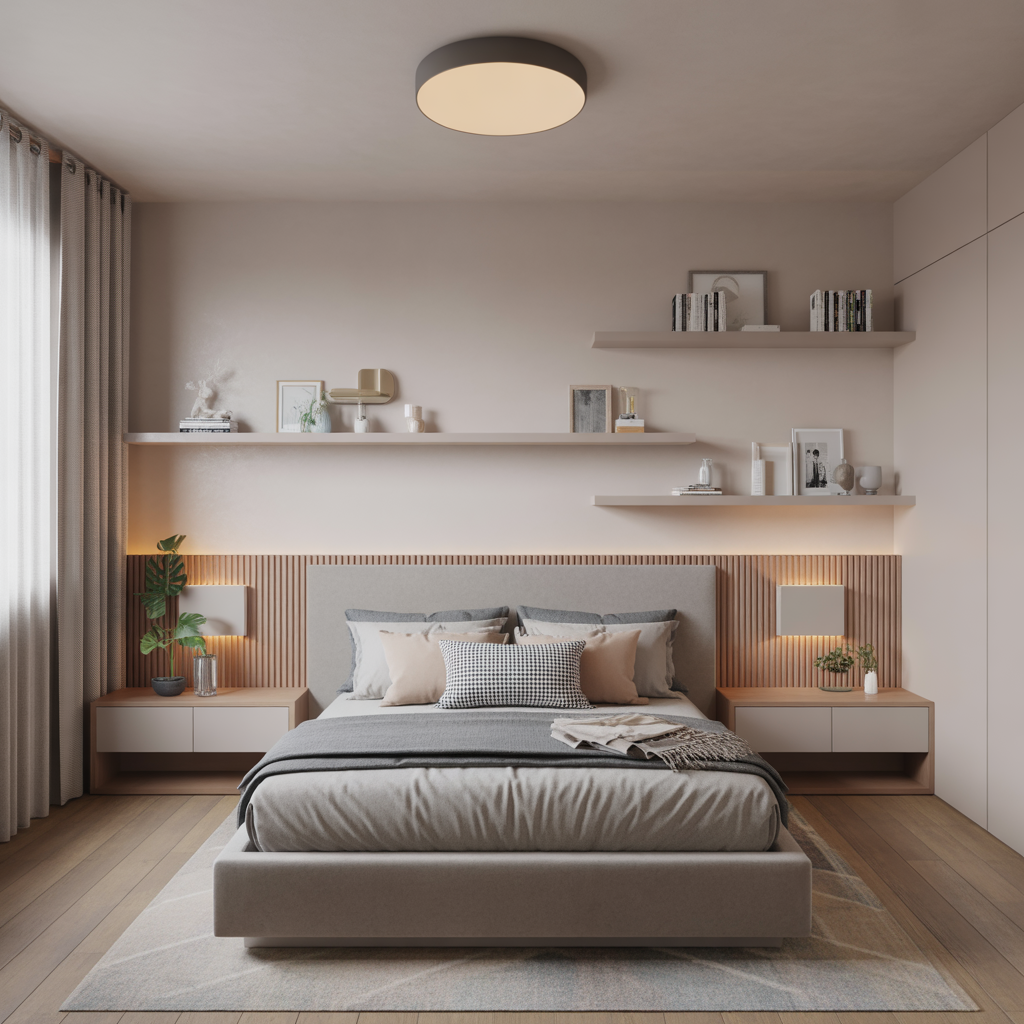
Ground-level furniture often feels heavy. Floating elements free up floor space, creating visual breathing room.
Ideas to try:
- Wall-mounted nightstands instead of bulky tables.
- Floating desks or consoles in place of traditional dressers.
- Under-shelf LED strips to add ambient light.
This approach creates an open floor while drawing attention upward, naturally helping to make bedroom look bigger.
Visit Also: Boho Wallpaper
Go Vertical with Storage
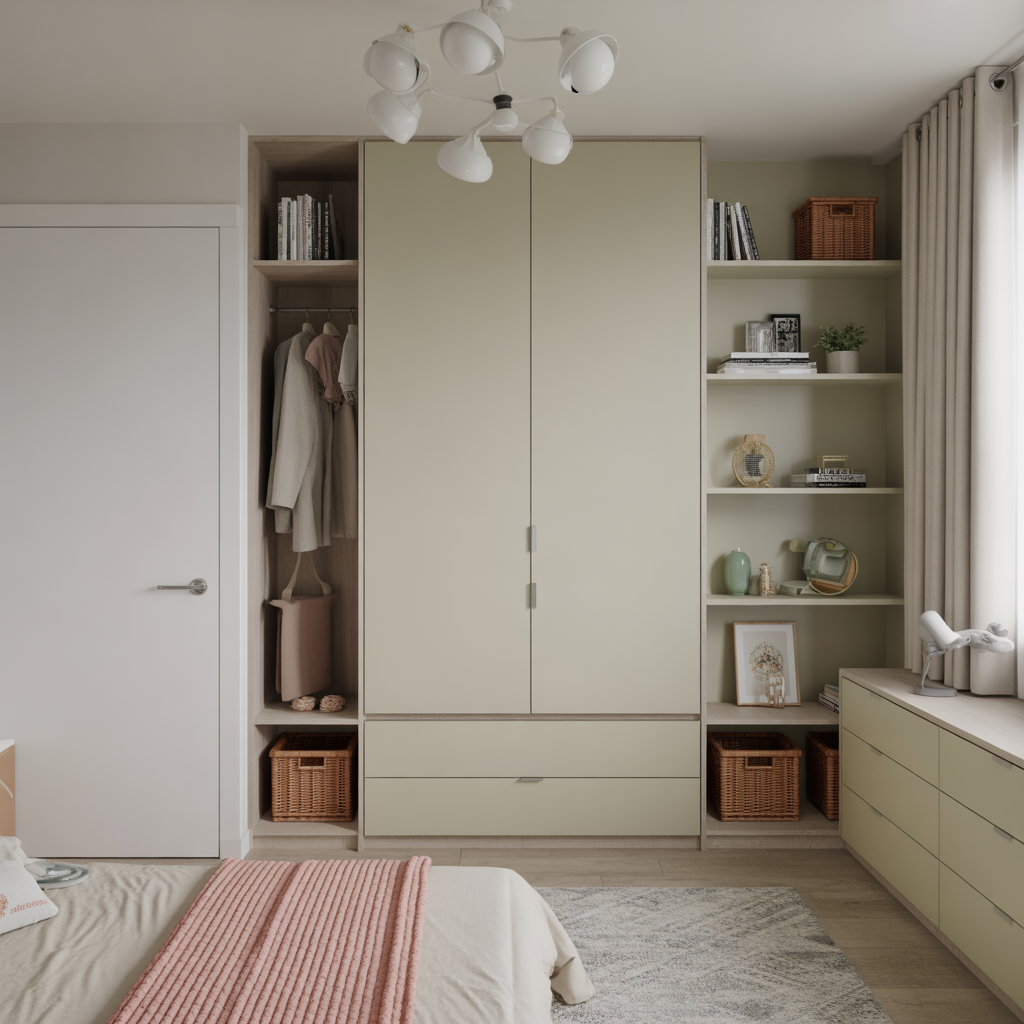
When floor space is scarce, look up. Vertical storage emphasizes height and keeps clutter contained.
Smart additions:
- Tall wardrobes instead of wide dressers.
- Stacked shelving units in unused corners.
- Floor-to-ceiling bookshelves styled with baskets and décor.
This strategy makes walls feel taller while boosting organization, making the overall bedroom look bigger.
Keep the Floor Clear and Uncluttered
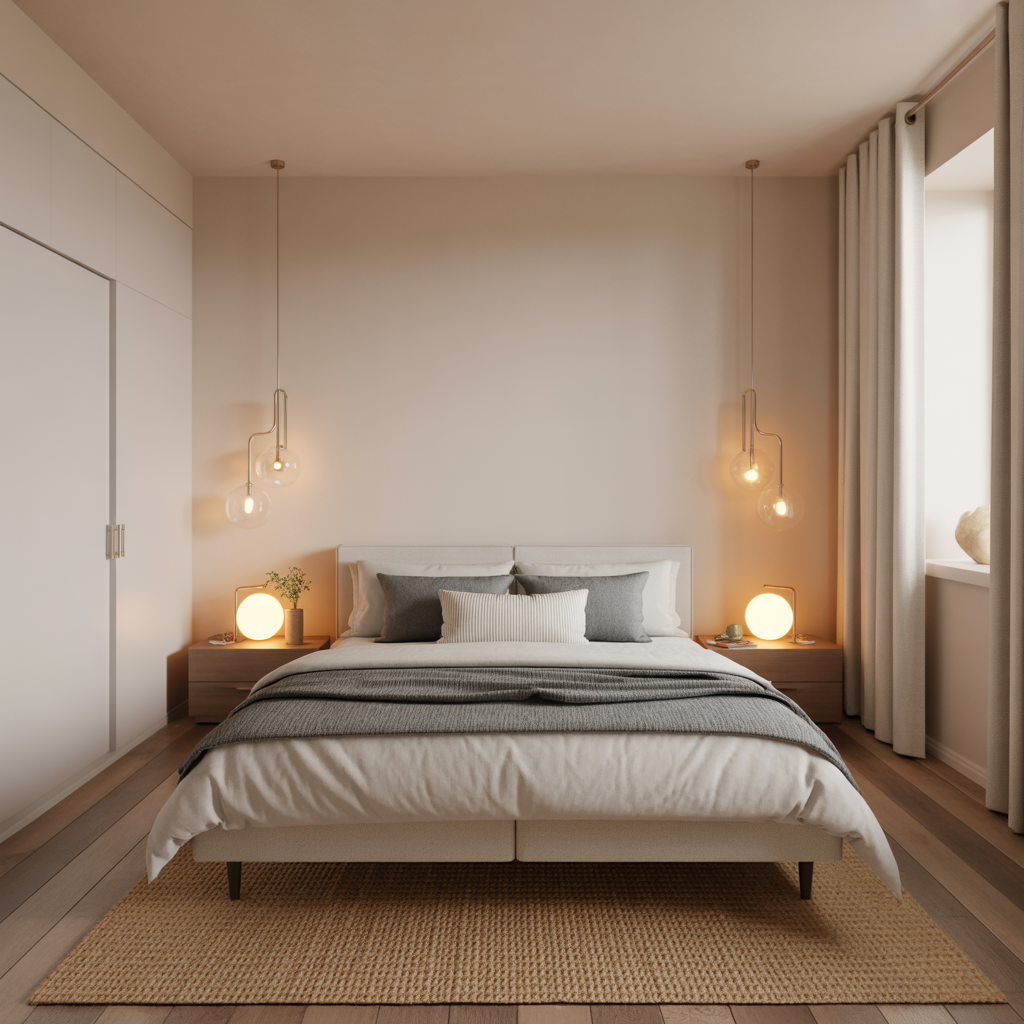
An open floor makes even the smallest room feel larger. Avoid bulky furniture that eats into walkways.
Tips:
- Pick beds with visible legs so you can see more flooring beneath.
- Use wall-mounted lighting instead of floor lamps.
- Keep pathways around the bed clear for better flow.
Less clutter on the ground translates into more breathing space, making bedroom look bigger instantly.
Select Furniture with Slim Profiles
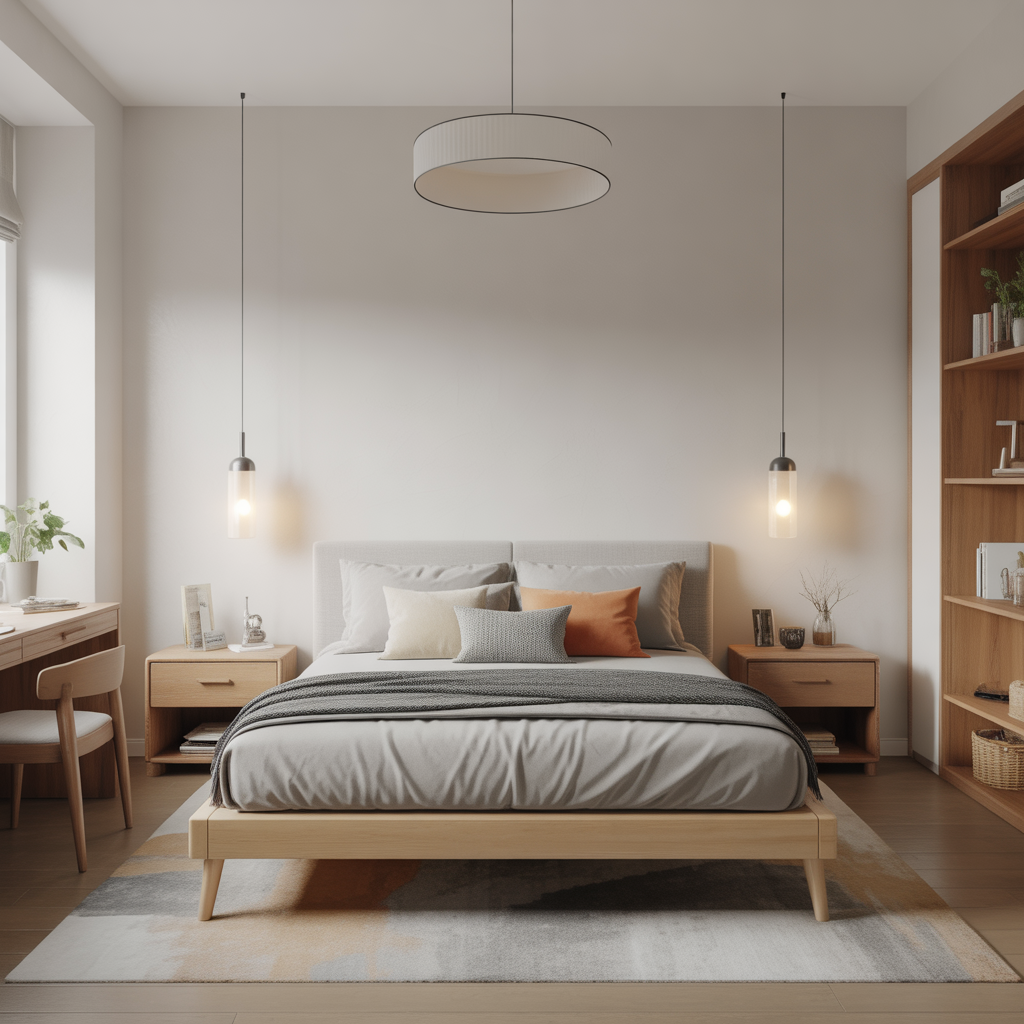
Oversized furniture dominates small bedrooms. Sleek, low-profile designs provide comfort without taking over.
What to look for:
- Slim nightstands with drawers for essentials.
- Minimalist bed frames with clean lines.
- Narrow dressers that don’t jut out into walkways.
These proportionate choices create harmony and naturally make bedroom look bigger.
Incorporate Glass and Lucite Furniture
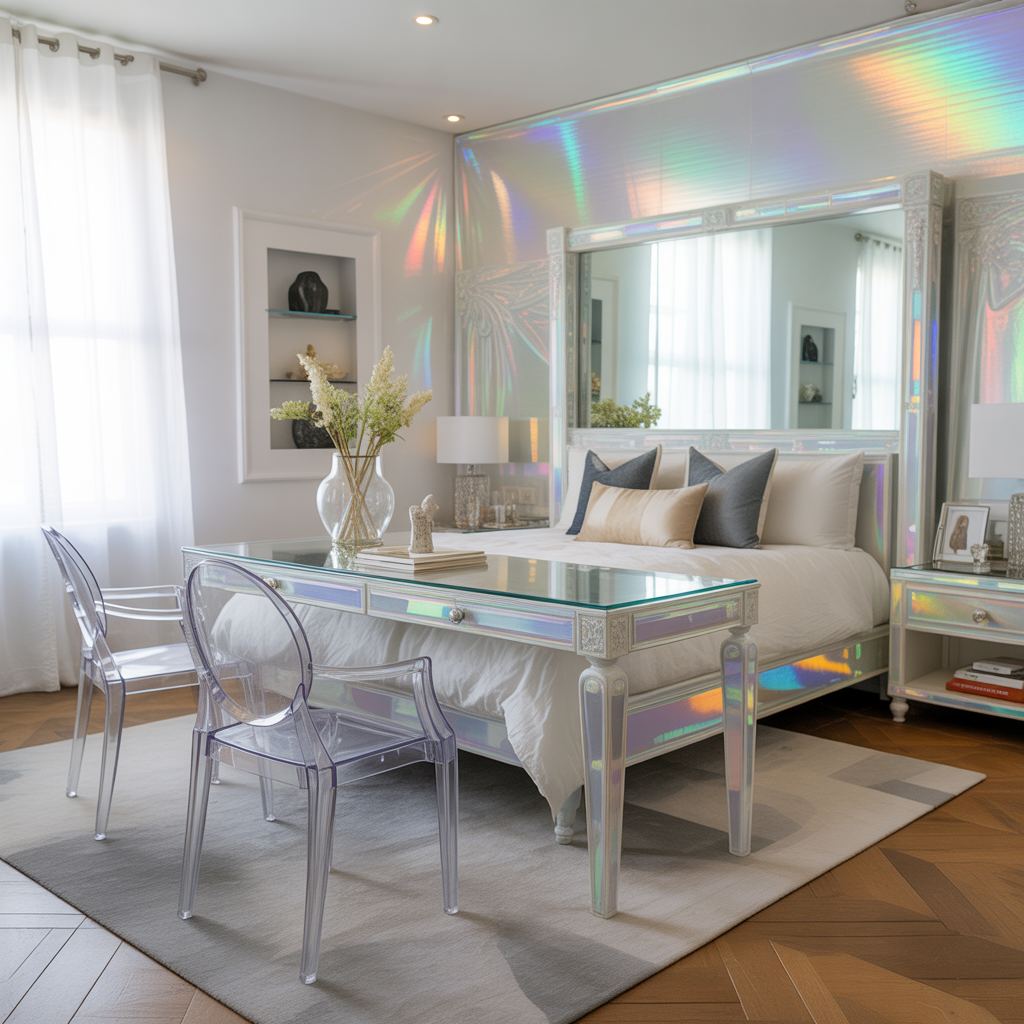
Transparent furniture is both stylish and functional. Because it doesn’t block sightlines, it almost disappears into the room.
Great picks include:
- A glass-top vanity or desk.
- Acrylic chairs that add seating without heaviness.
- Lucite benches at the foot of the bed.
These pieces blend utility with modern design while subtly helping make bedroom look bigger.
Utilize Hidden Storage Solutions
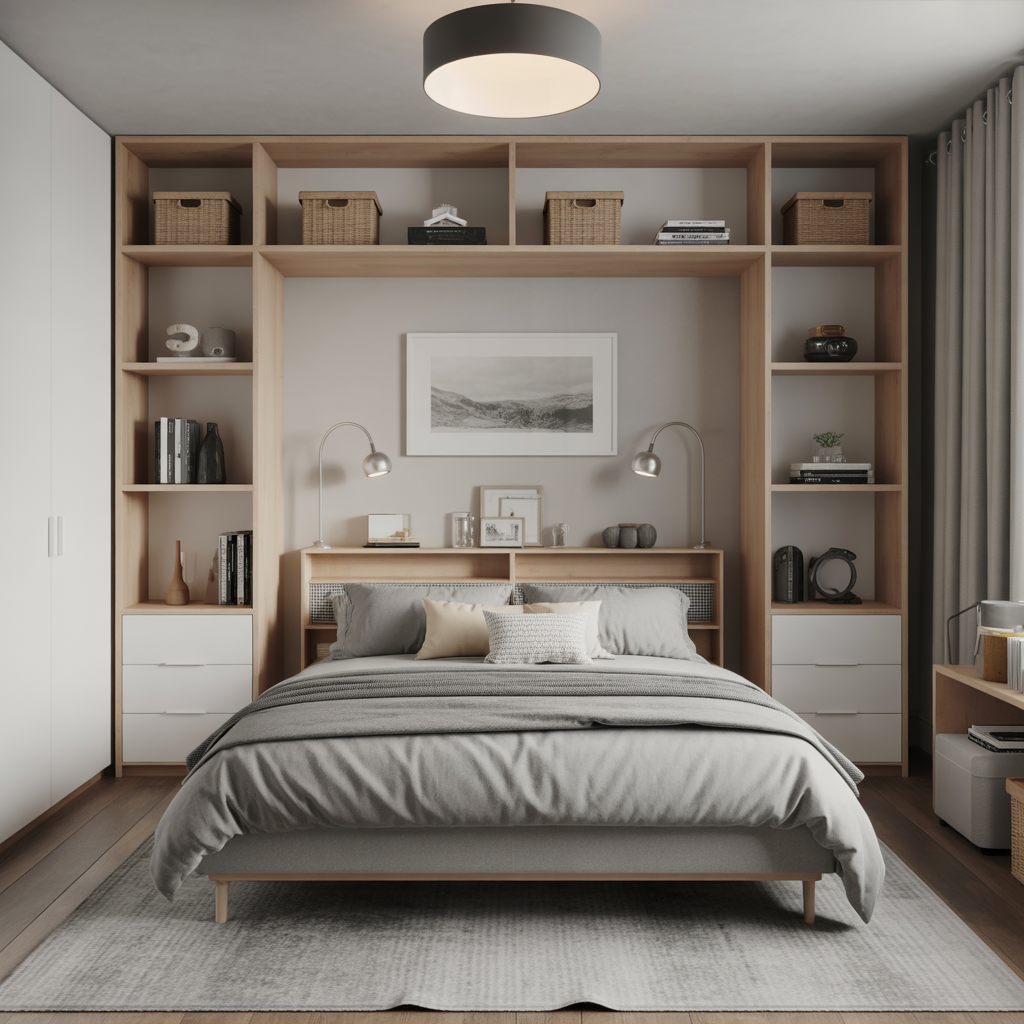
Out of sight means out of mind—and out of clutter. Clever hidden storage options make a small room more livable.
Consider:
- Rolling drawers under the bed.
- Headboards with shelves or compartments.
- Storage ottomans that double as seating.
These hacks keep belongings tucked away and surfaces clear, making bedroom look bigger and calmer.
Layer Lighting Strategically
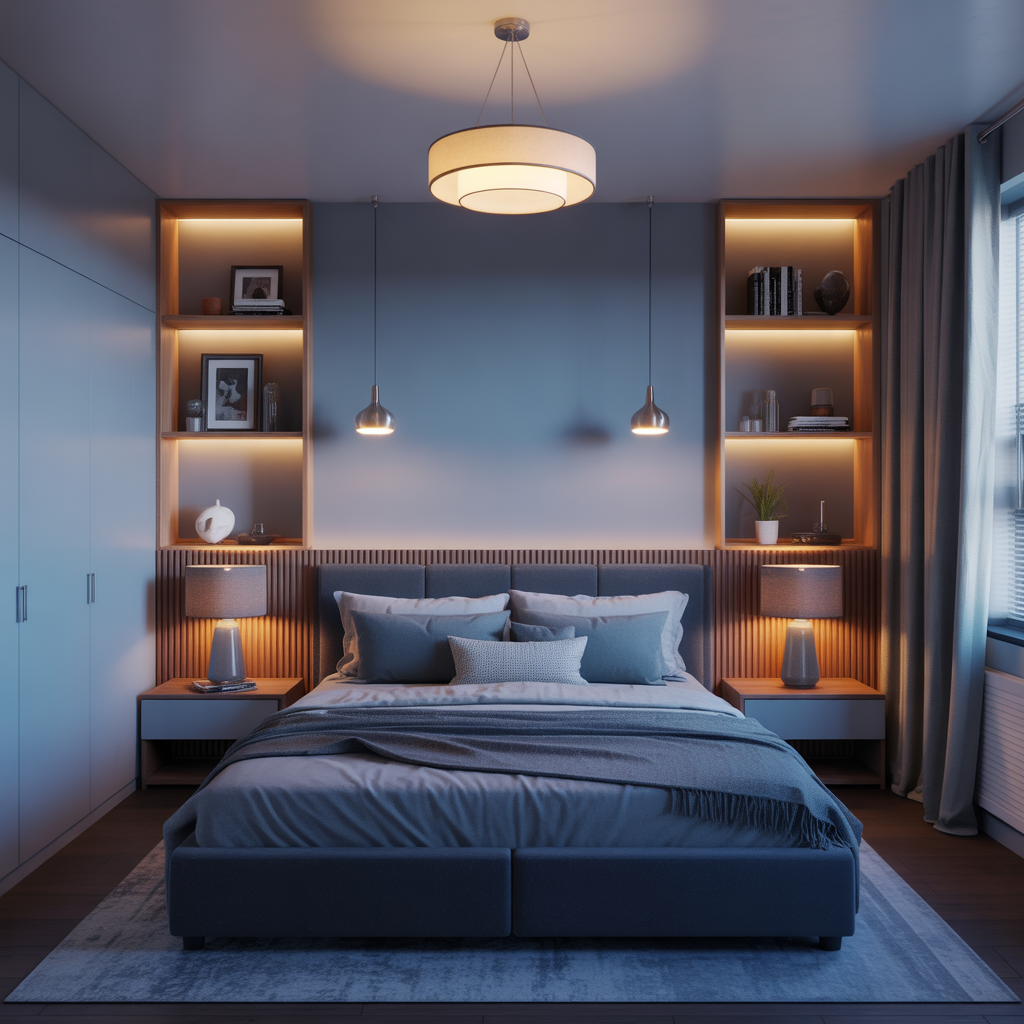
Lighting shapes how we perceive space. A single ceiling light often leaves shadows in corners, making rooms feel smaller.
Instead:
- Install wall sconces to free up bedside tables.
- Use pendant lights to highlight specific zones.
- Add soft LED strips under shelving for warmth.
A layered lighting plan not only makes the space brighter but also adds depth, helping make bedroom look bigger.
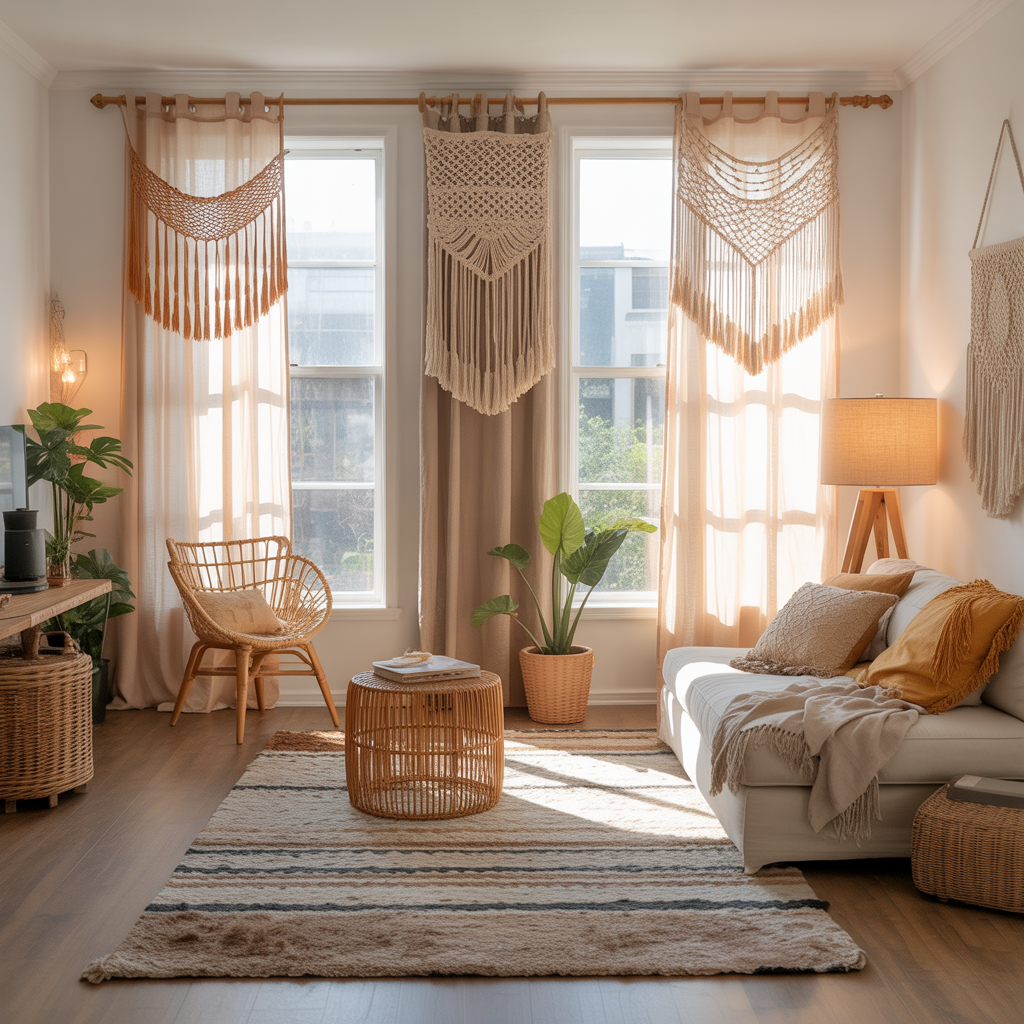
Use Curtains Wisely
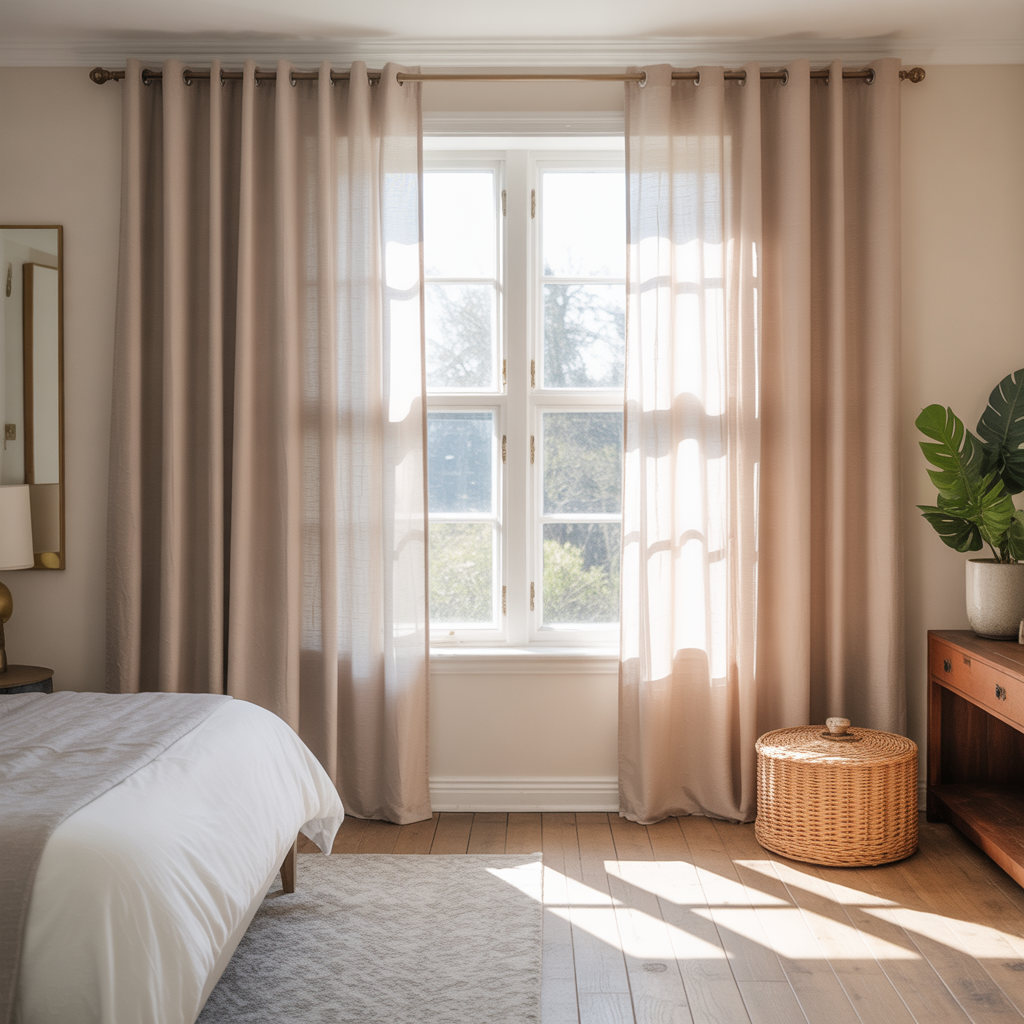
Curtains can either enhance or shrink a space. Placement and fabric choice matter.
Best practices:
- Hang curtains close to the ceiling and extend them wider than the window. This makes windows appear larger.
- Choose lightweight, sheer fabrics to let in maximum daylight.
- Avoid dark, heavy drapes that overwhelm the walls.
This simple update will instantly make bedroom look bigger and more inviting.
Add Vertical Stripes or Textures
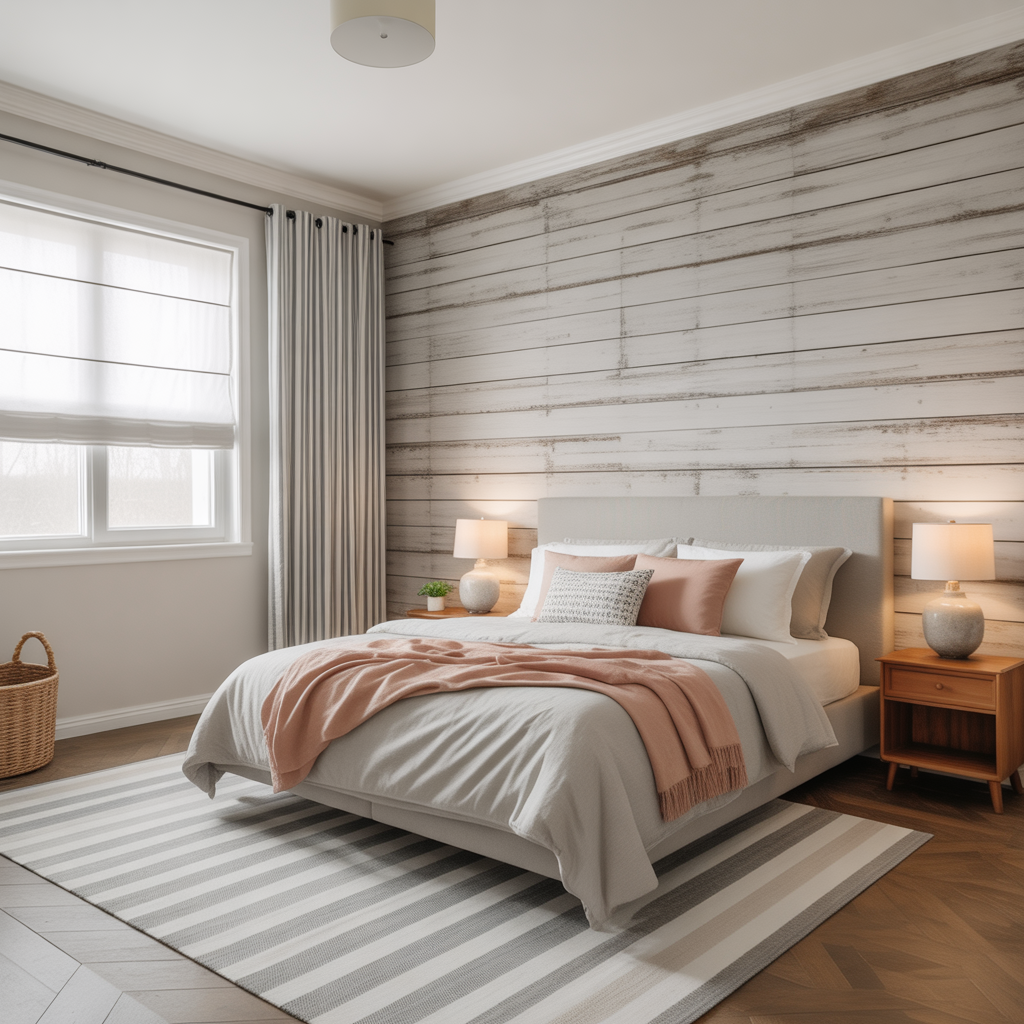
Patterns influence how we perceive height and width. Vertical stripes elongate walls, making ceilings look taller.
Try:
- Striped wallpaper behind the bed.
- Vertical shiplap paneling for rustic charm.
- Striped area rugs for a stretched floor effect.
These subtle tricks expand proportions and help make bedroom look bigger visually.
Choose a Low-Profile Bed
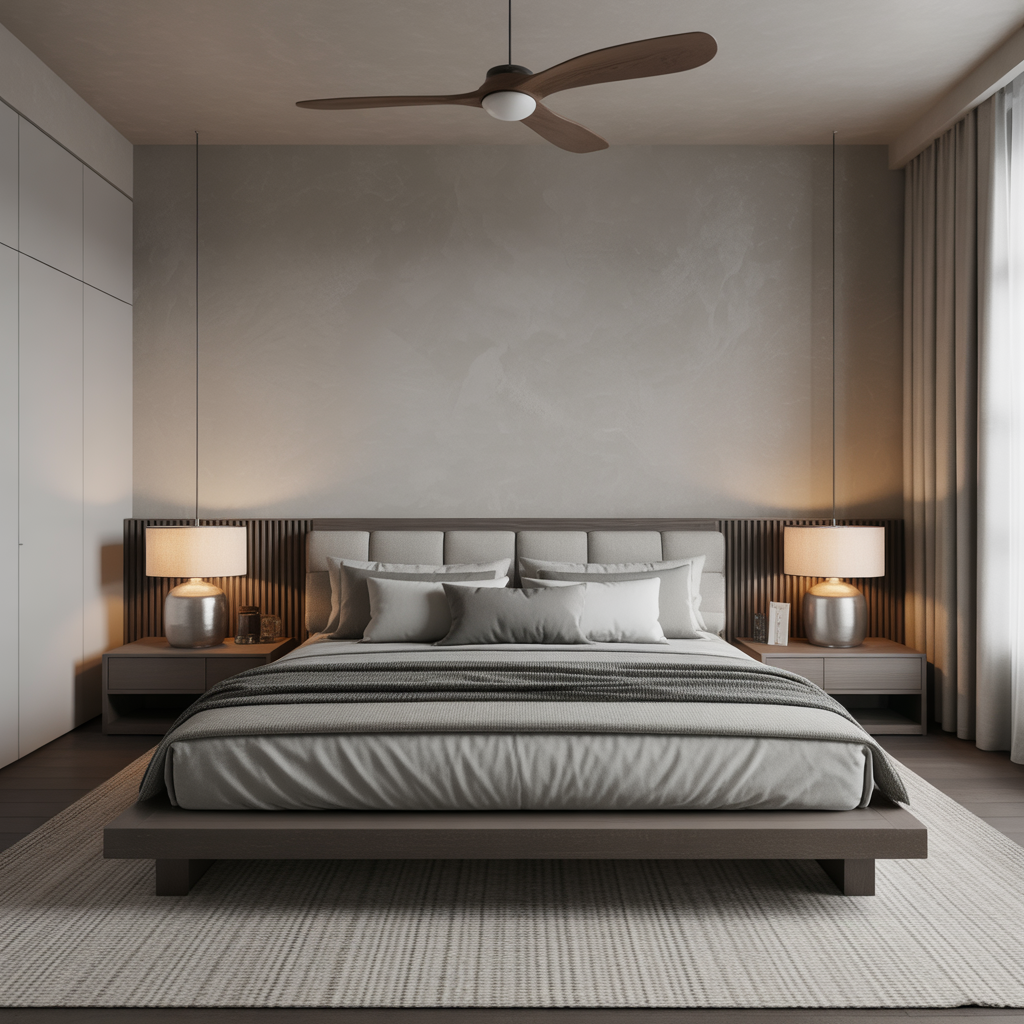
The bed is usually the largest piece of furniture. Opting for a lower frame makes ceilings feel taller and space more open.
Great low-profile options:
- Platform beds with no box spring.
- Tatami-style frames for a modern look.
- Beds with thin headboards instead of bulky ones.
This design choice instantly makes bedroom look bigger and more breathable.
Limit Busy Patterns
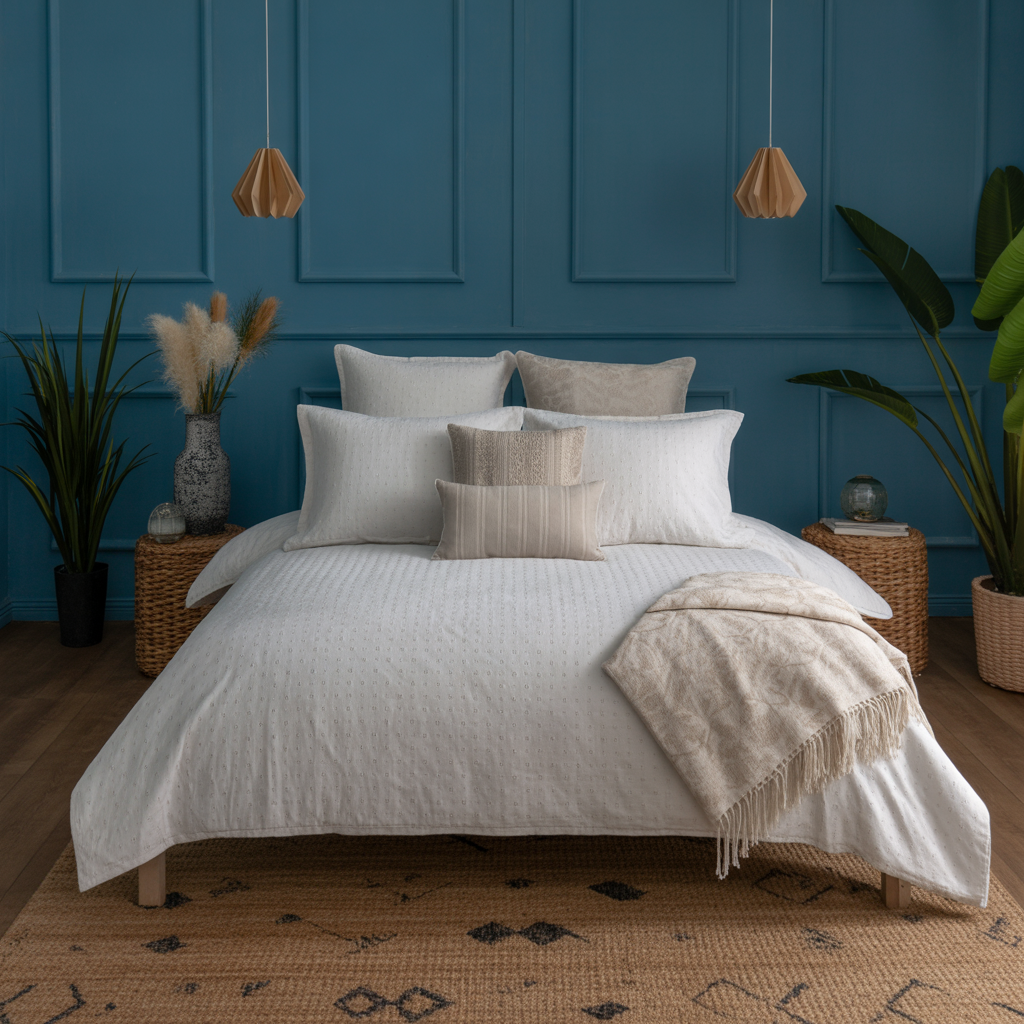
Overly complex prints can overwhelm small spaces. Instead, choose simple patterns or tone-on-tone textures.
For instance:
- Subtle woven bedding instead of floral duvets.
- A solid area rug with faint geometric designs.
- Monochrome throw pillows for layering.
These choices keep the visual flow calm and help make bedroom look bigger instead of cluttered.
Add Reflective Surfaces Beyond Mirrors
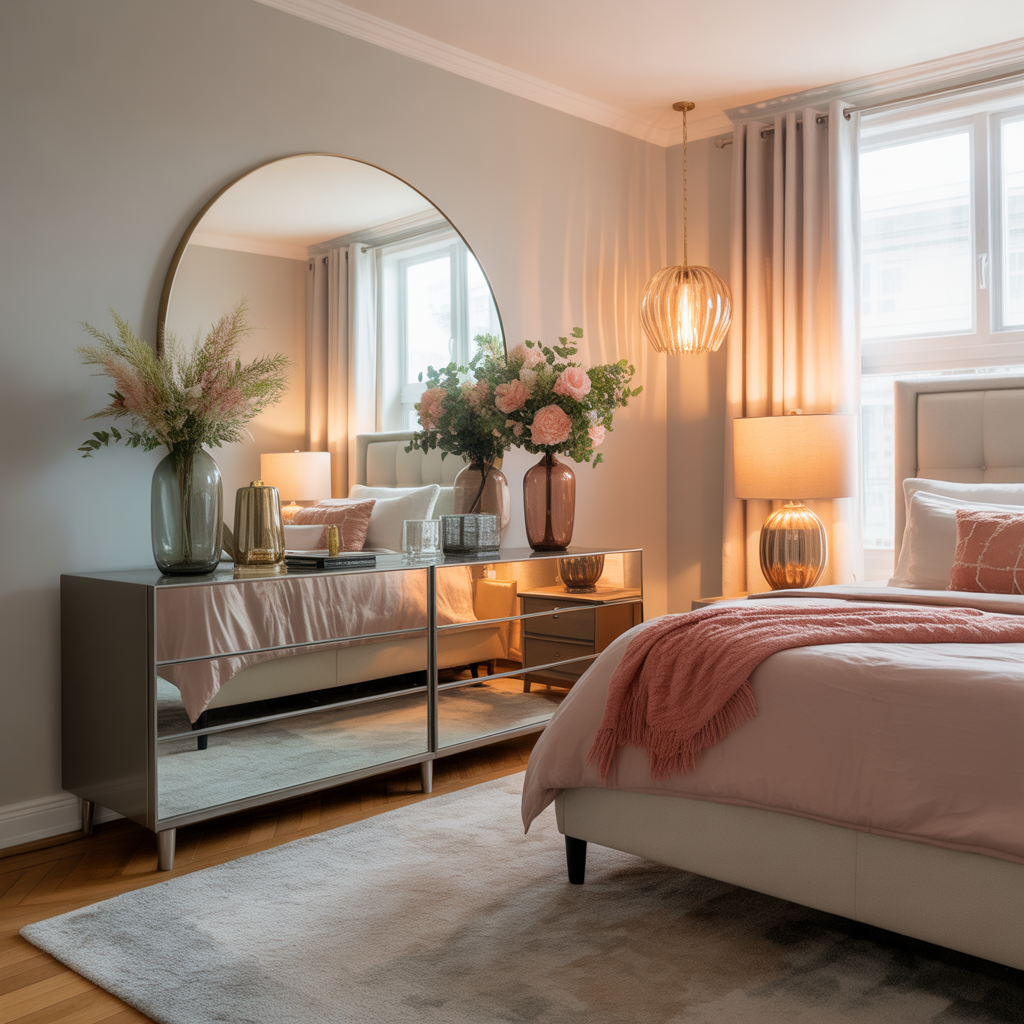
Reflectivity isn’t just for mirrors. Glossy finishes also bounce light.
Incorporate:
- Polished wood furniture with shine.
- Glass décor accents like vases or trays.
- Metallic hardware on dressers or lamps.
Each reflective touch enhances brightness and subtly makes bedroom look bigger.
Keep Décor Minimalist
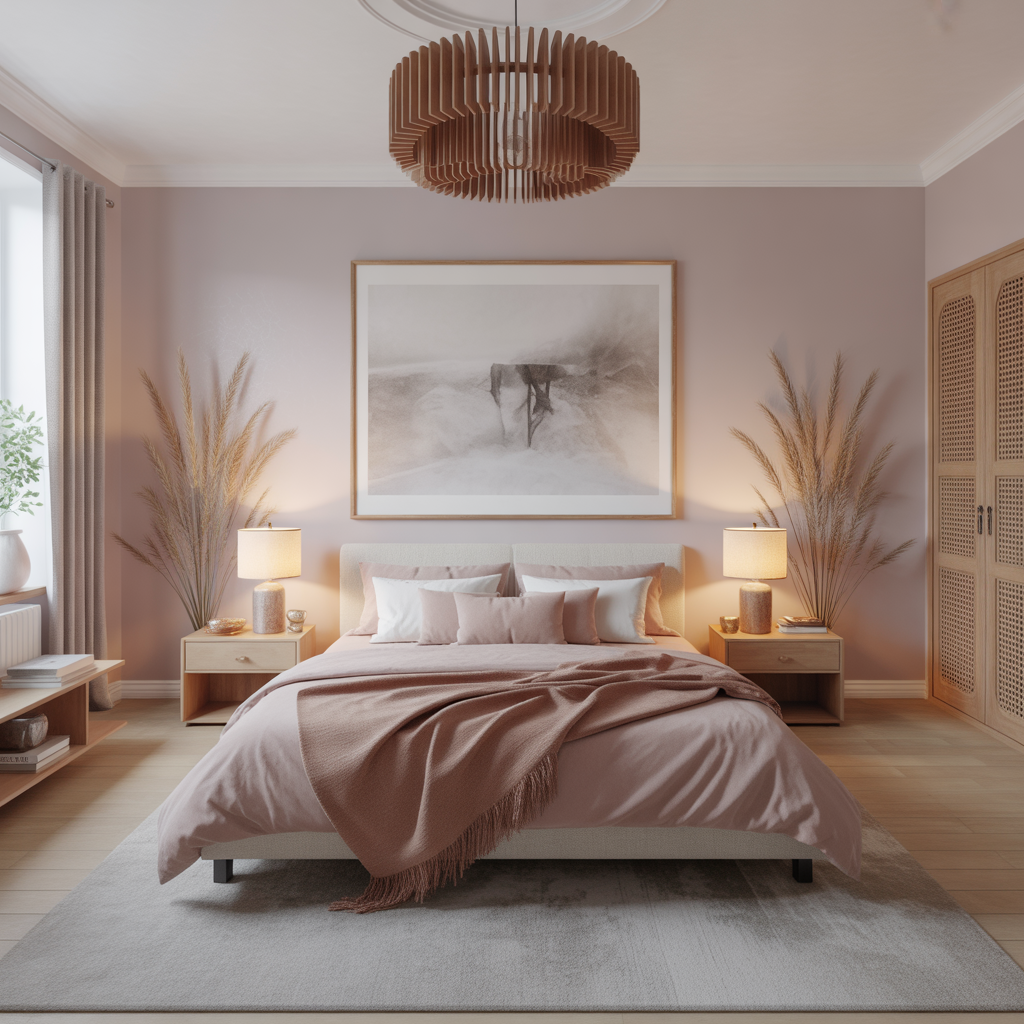
Over-decorating can make walls feel crowded. Instead, focus on a few key accents.
For example:
- One oversized artwork above the bed instead of a gallery wall.
- A statement lamp instead of multiple small lights.
- A large mirror instead of many small frames.
Minimal décor draws the eye smoothly across the room, helping make bedroom look bigger.
Use Area Rugs to Define Space
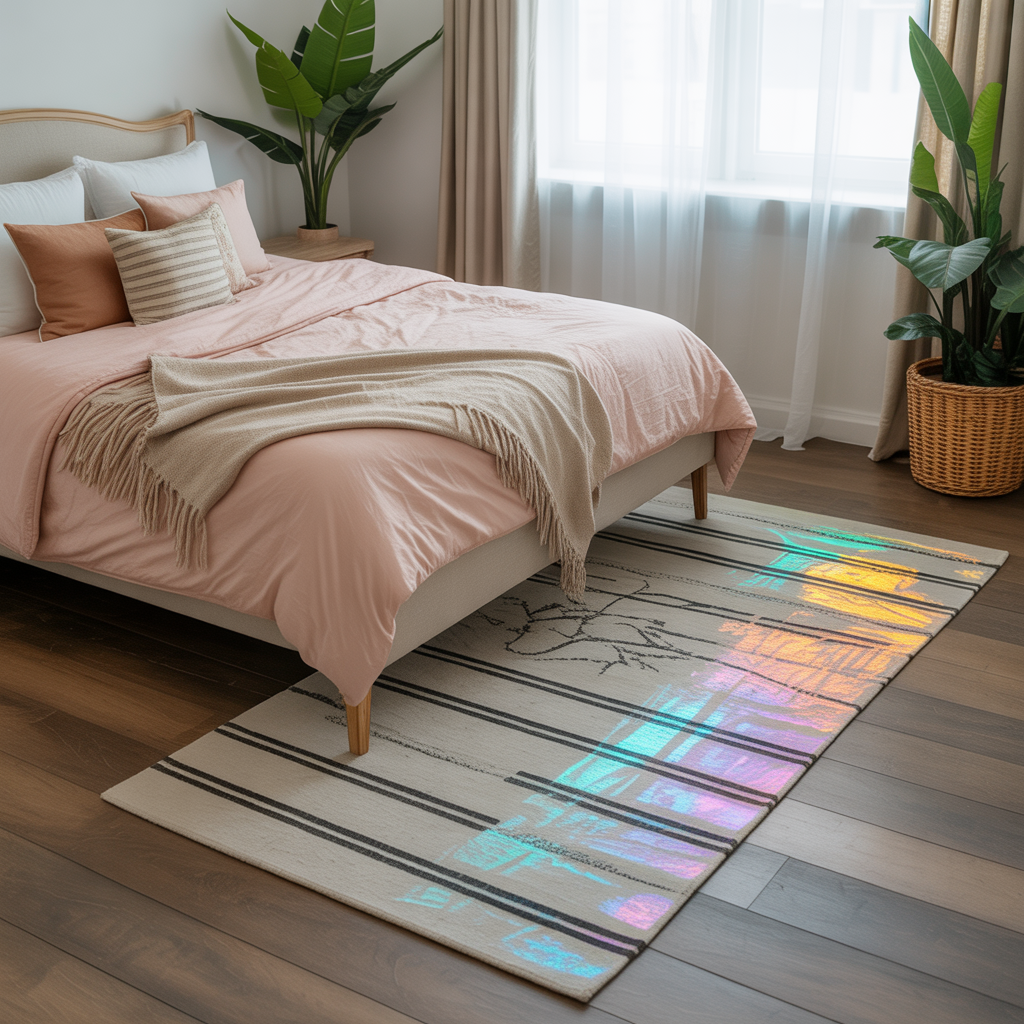
A rug not only adds comfort but also shapes perception of floor space.
Tips:
- Choose a rug large enough to extend past the bed frame.
- Opt for light colors or striped patterns.
- Use layering to subtly define sleeping vs. sitting areas.
A well-placed rug anchors the room while making bedroom look bigger.
Add Greenery Without Bulk

Plants bring life into a room but can overwhelm if too large.
Solutions:
- Hanging planters for greenery without using floor space.
- Wall-mounted planters to add vertical freshness.
- Slim tall plants like snake plants in small corners.
These choices keep the room vibrant without shrinking it, making bedroom look bigger and more refreshing.
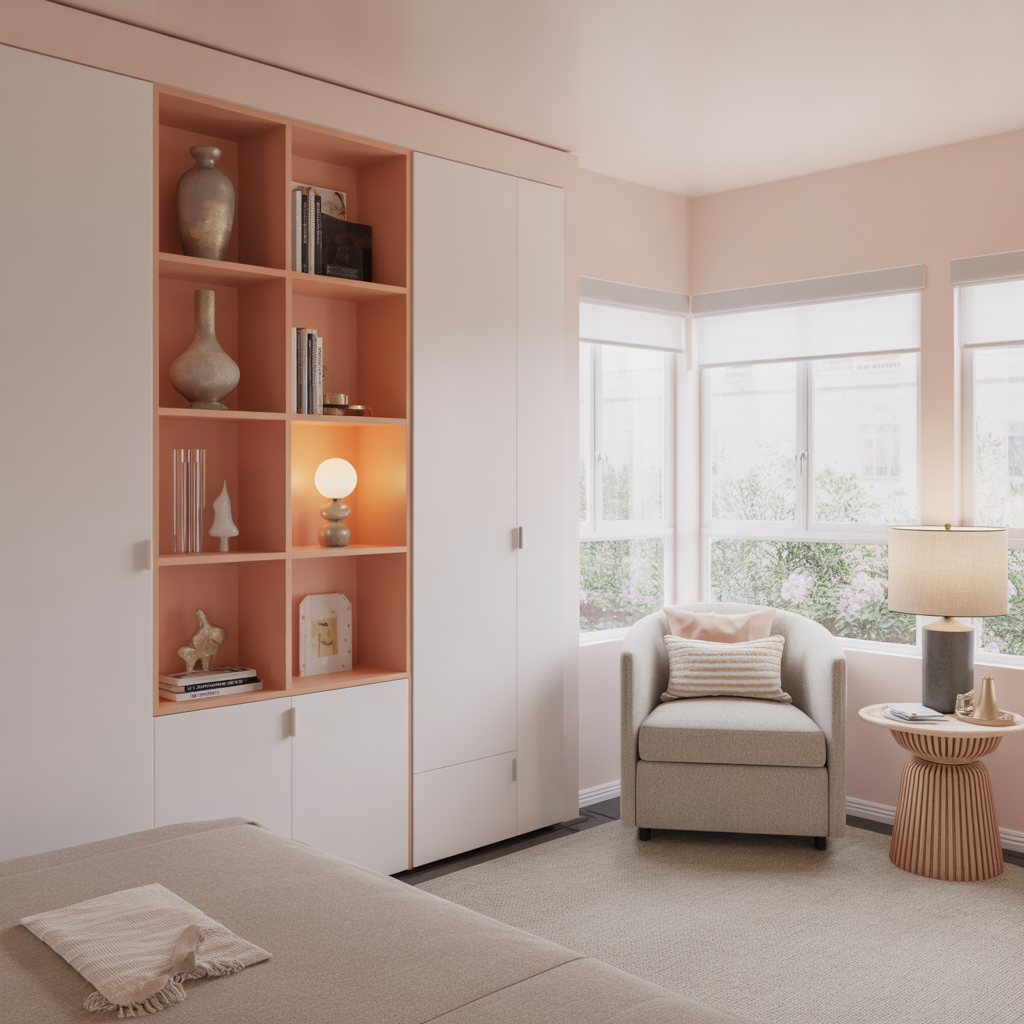
Create Built-In Furniture Solutions

Custom-built furniture is one of the most effective ways to maximize small rooms.
Examples:
- Built-in wardrobes that run wall-to-wall.
- Window seats with storage beneath.
- Niche shelving built into unused alcoves.
Built-ins eliminate wasted gaps and provide seamless flow, dramatically helping make bedroom look bigger.
Keep a Consistent Color Palette

Consistency avoids choppiness. By sticking to a unified palette, the eye flows freely.
Practical tips:
- Coordinate bedding, curtains, and rugs in similar tones.
- Use accent colors sparingly for contrast.
- Choose furniture finishes that complement wall shades.
This cohesive approach prevents visual interruption and helps make bedroom look bigger.
FAQs About Making a Bedroom Look Bigger
Q1: What colors help make bedroom look bigger?
Whites, creams, soft grays, and pastels reflect light and open the room. They’re timeless and versatile.
Q2: Can furniture placement really make bedroom look bigger?
Yes. Arranging furniture against walls, leaving clear walkways, and avoiding blocked windows significantly improves flow and space perception.
Q3: Do mirrors always work in small bedrooms?
Almost always. But placement matters—mirrors opposite windows or lamps maximize impact. Poorly placed mirrors may feel awkward.
Q4: How important is lighting to make bedroom look bigger?
Lighting is crucial. Layered lighting removes shadows and adds depth, giving the illusion of a bigger space.
Q5: Is minimalism necessary to make bedroom look bigger?
Minimalism isn’t mandatory, but less clutter always helps. Selective, intentional décor makes any room look more spacious.
Final Thoughts
Small bedrooms can still feel luxurious, functional, and serene with the right design strategies. By choosing light colors, incorporating mirrors, using slim or transparent furniture, and emphasizing vertical space, you can successfully make bedroom look bigger without renovation. The 20 ideas in this guide give you practical and stylish ways to maximize every inch.
Ultimately, it’s about balance: keep clutter low, prioritize function, and use design tricks to manipulate perception. With thoughtful planning, even the coziest bedrooms can feel open, airy, and endlessly inviting