Earthy Kitchen: 20 Inspiring Ideas for a Natural and Grounded Space
Designing a kitchen that feels warm, welcoming, and deeply connected to nature is a dream for many homeowners. An earthy kitchen is more than just a style choice—it’s a way of bringing harmony, grounding energy, and timeless design into the heart of the home. With a balance of natural materials, calming tones, and organic textures, you can create a space that feels both functional and restorative.
In this blog, we’ll explore 20 detailed ideas to design or refresh your earthy kitchen, blending practicality with natural beauty. These ideas are versatile, realistic, and can suit homes of all sizes and budgets.
Embracing Natural Wood Cabinets

Wood has always been at the core of earthy interior design. For your kitchen, choose natural wood cabinets in oak, walnut, maple, or reclaimed wood. These materials bring in warmth and character that mass-produced finishes simply can’t match. Pair lighter woods with modern hardware for a soft Scandinavian touch, or go darker with walnut for richness and depth. The natural grains and imperfections of the wood make your earthy kitchen feel authentic and grounded.
Stone Countertops for Organic Appeal
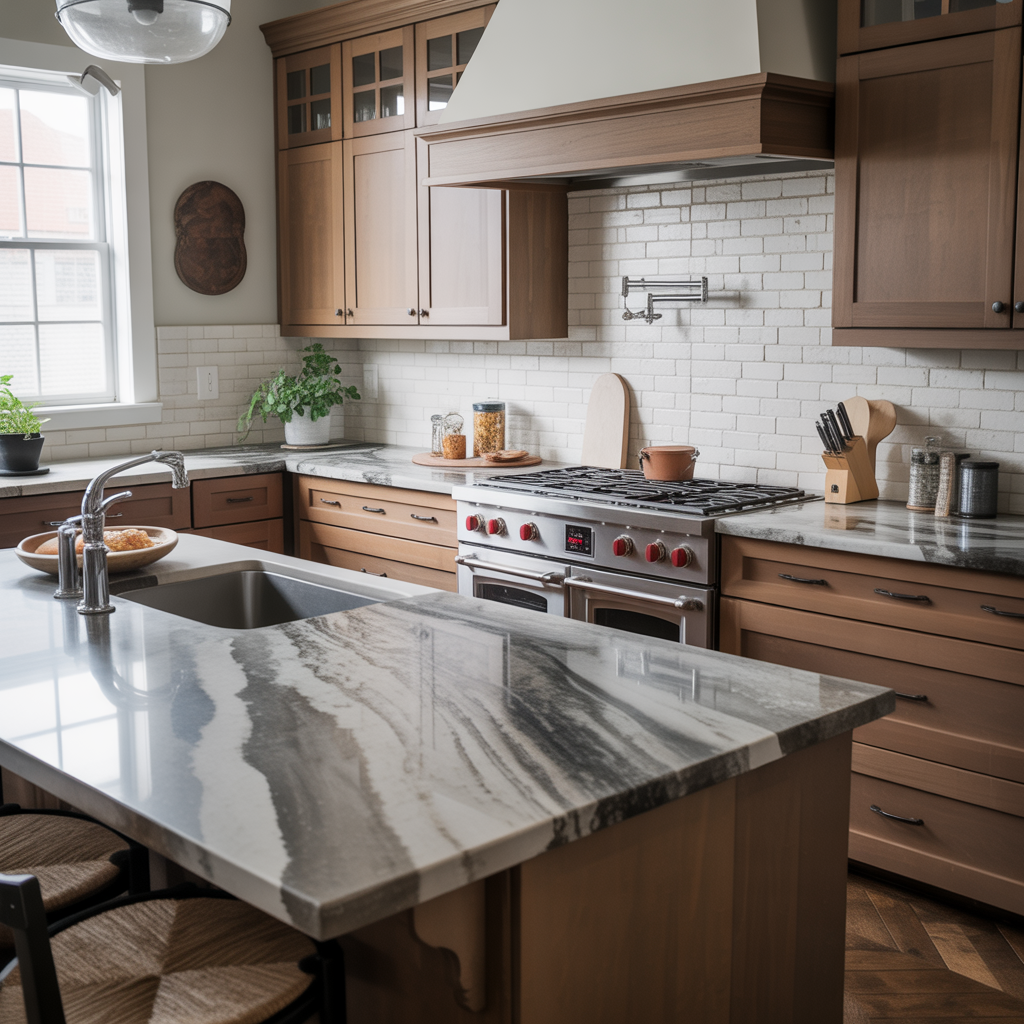
Granite, soapstone, and quartzite countertops bring the durability and natural beauty that define earthy kitchen design. Unlike synthetic options, stone countertops provide unique veining patterns and tones that ensure no two kitchens look alike. Pairing stone with wood cabinets enhances the organic vibe and makes your kitchen a serene cooking sanctuary.
Earth-Toned Color Palette
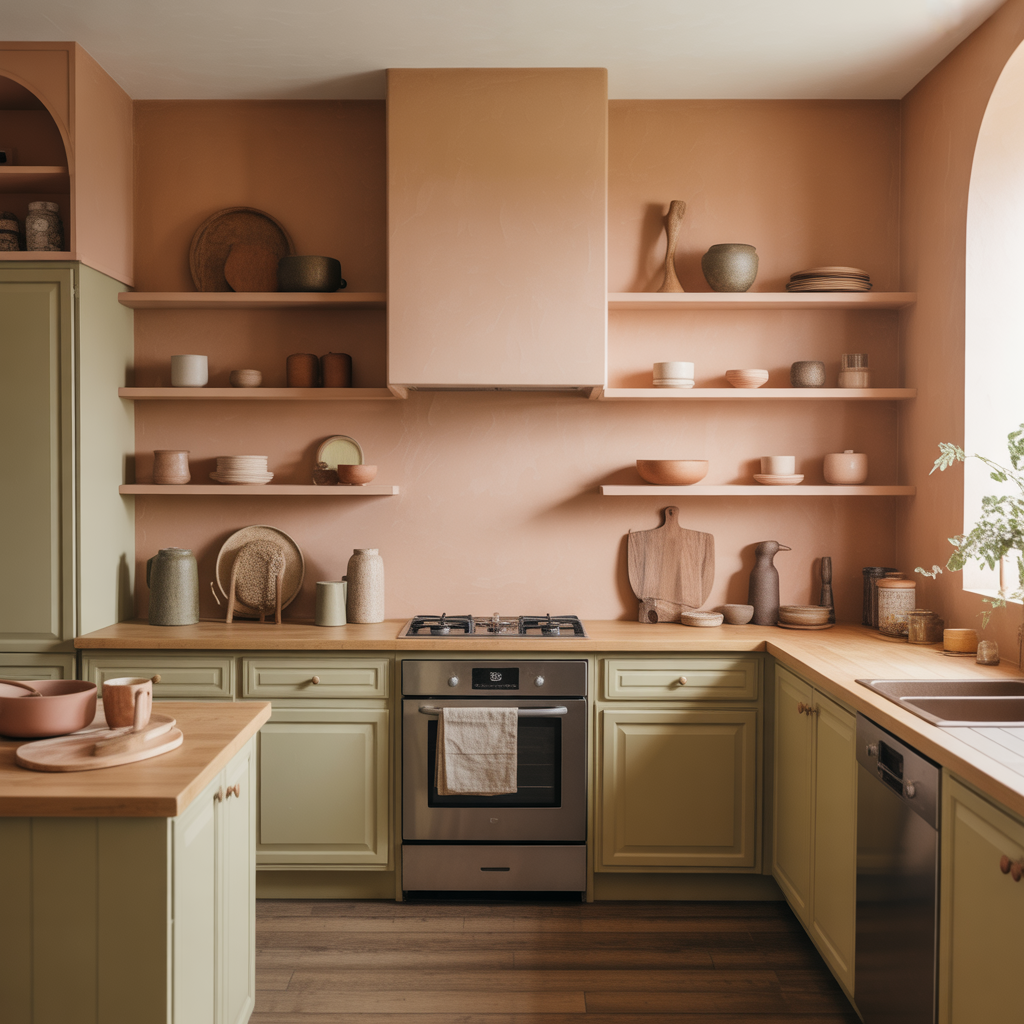
The right color scheme sets the tone. Earthy kitchens thrive with warm, muted hues like terracotta, olive green, sandy beige, taupe, and soft browns. These colors mimic nature and give your kitchen a timeless, relaxing atmosphere. You can introduce these tones through painted cabinetry, wall color, or smaller accents like ceramics and textiles.
Clay and Ceramic Accents

Handcrafted clay pottery and ceramic accessories add artisanal charm to your earthy kitchen. Think clay vases, hand-thrown bowls, or textured mugs displayed on open shelving. These handmade pieces not only enhance the aesthetic but also celebrate craftsmanship and imperfection, which is at the heart of natural design.
Open Shelving with Natural Materials

Instead of heavy upper cabinets, opt for open shelves made of reclaimed wood or bamboo. These keep the kitchen airy and allow you to showcase earth-toned dishware, glass jars, and greenery. Open shelving emphasizes simplicity and ensures your earthy kitchen feels uncluttered and calm.
Terracotta Tiles for Flooring
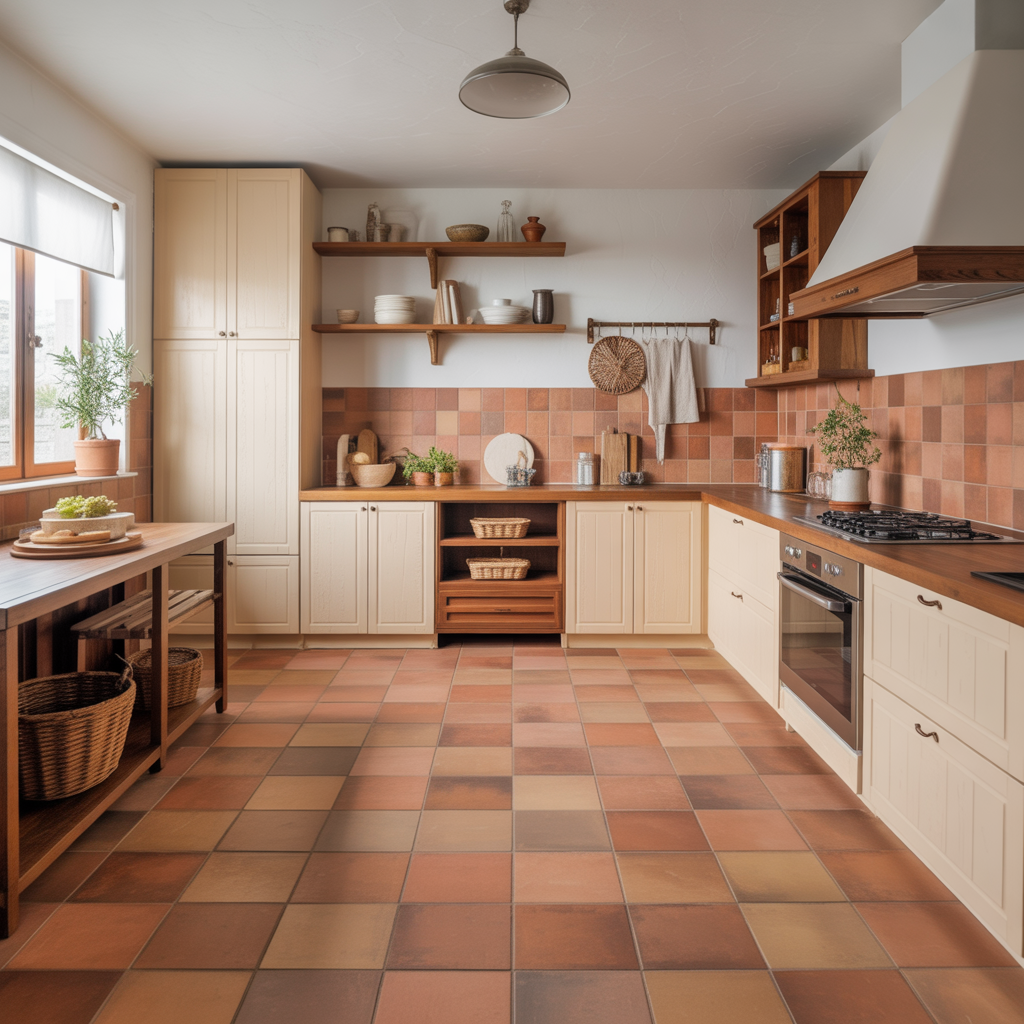
Terracotta tiles have been used in homes for centuries, and their warm, rustic tones are perfect for earthy kitchens. These tiles not only add beauty but are durable and easy to maintain. Their matte finish softens the overall look of the kitchen while adding a Mediterranean charm.
Incorporating Natural Light
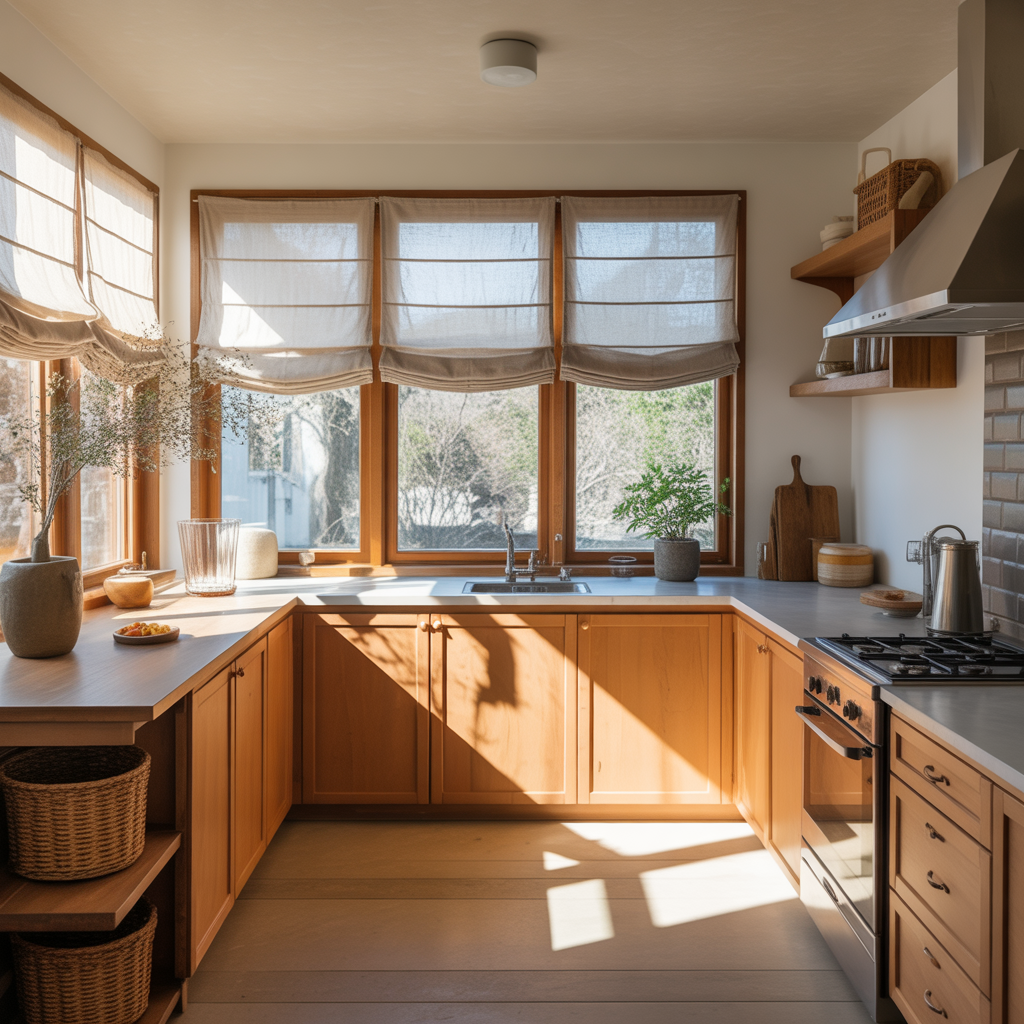
An earthy kitchen thrives on natural light. Large windows, skylights, or glass doors bring in sunlight that enhances natural textures and colors. The play of light on wood and stone highlights the organic details, creating a space that feels alive. Pair your natural lighting with sheer linen curtains for a breezy, effortless look.
Eco-Friendly and Sustainable Materials
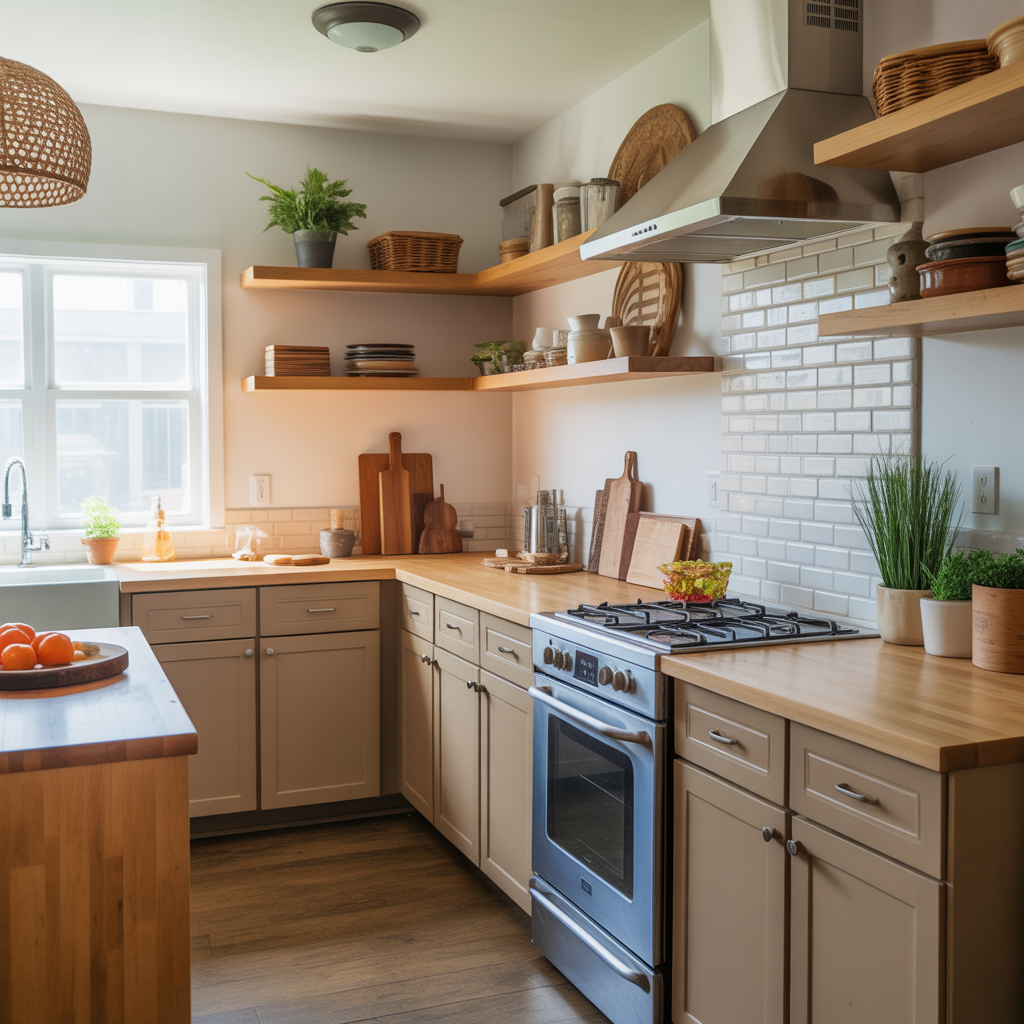
Sustainability is integral to earthy design. Opt for bamboo cutting boards, recycled countertops, or cabinets from reclaimed wood. Sustainable choices not only reduce your environmental footprint but also give your earthy kitchen a story and depth that new materials cannot replicate.
Indoor Greenery and Herb Gardens
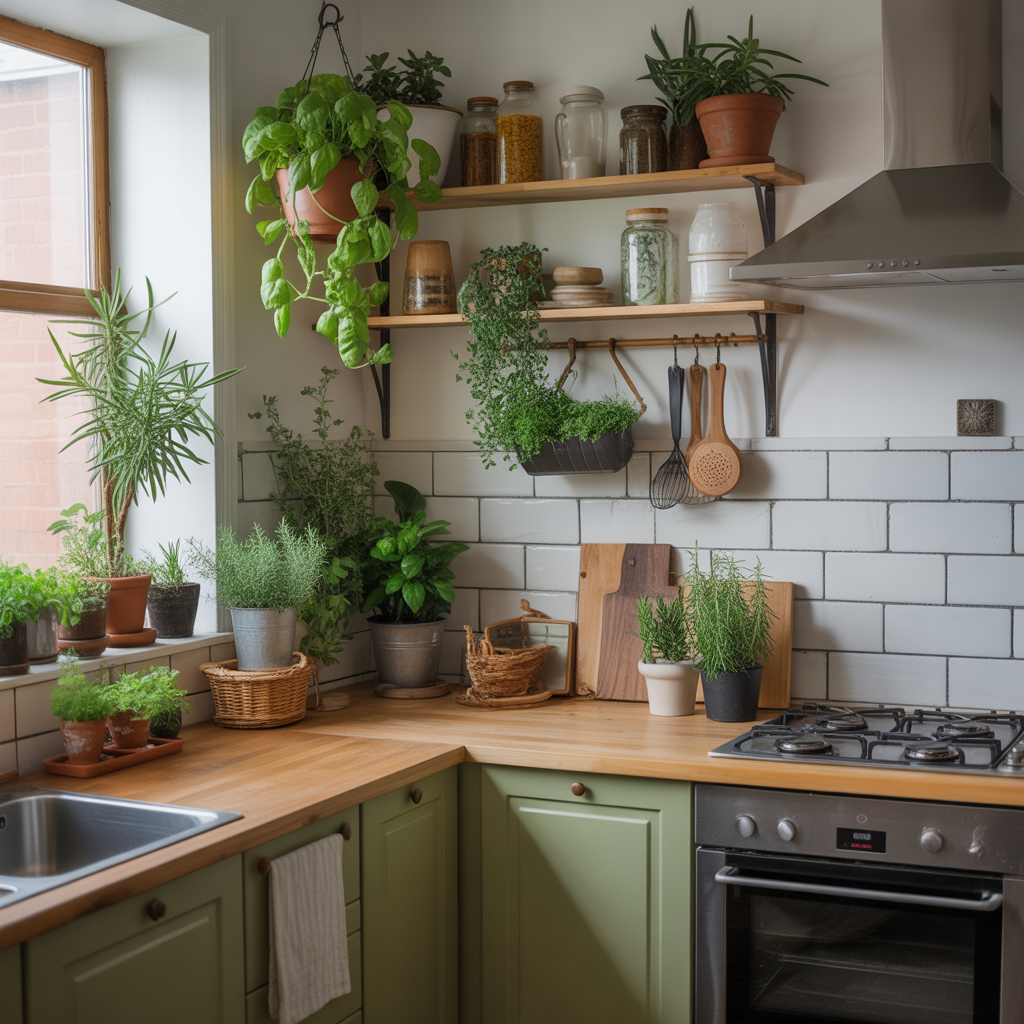
Bringing nature indoors is a signature element of earthy kitchens. Potted plants, hanging greenery, or even a small indoor herb garden add freshness and a sense of calm. Plants like rosemary, basil, and thyme thrive indoors and make your space both functional and inviting. Even a simple row of herbs on the windowsill can become a beautiful and practical design feature. For larger kitchens, adding a vertical garden wall can create a stunning focal point while purifying the air.
Textured Backsplashes
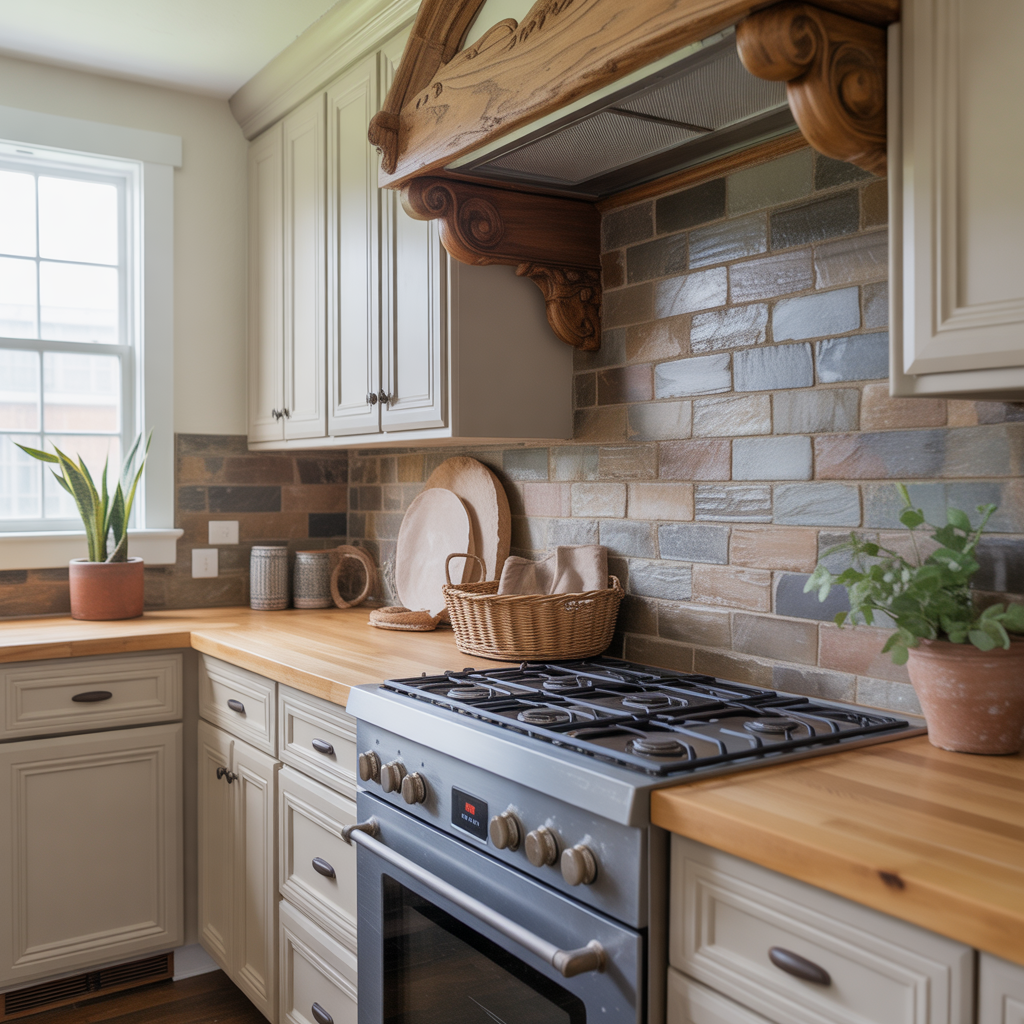
Backsplashes are a great way to experiment with earthy materials. Consider stone, slate, handmade clay tiles, or even rough-textured plaster. These create depth and interest while keeping with the natural theme. A backsplash in neutral tones grounds the entire design, tying the room together beautifully.
Natural Fiber Rugs and Runners
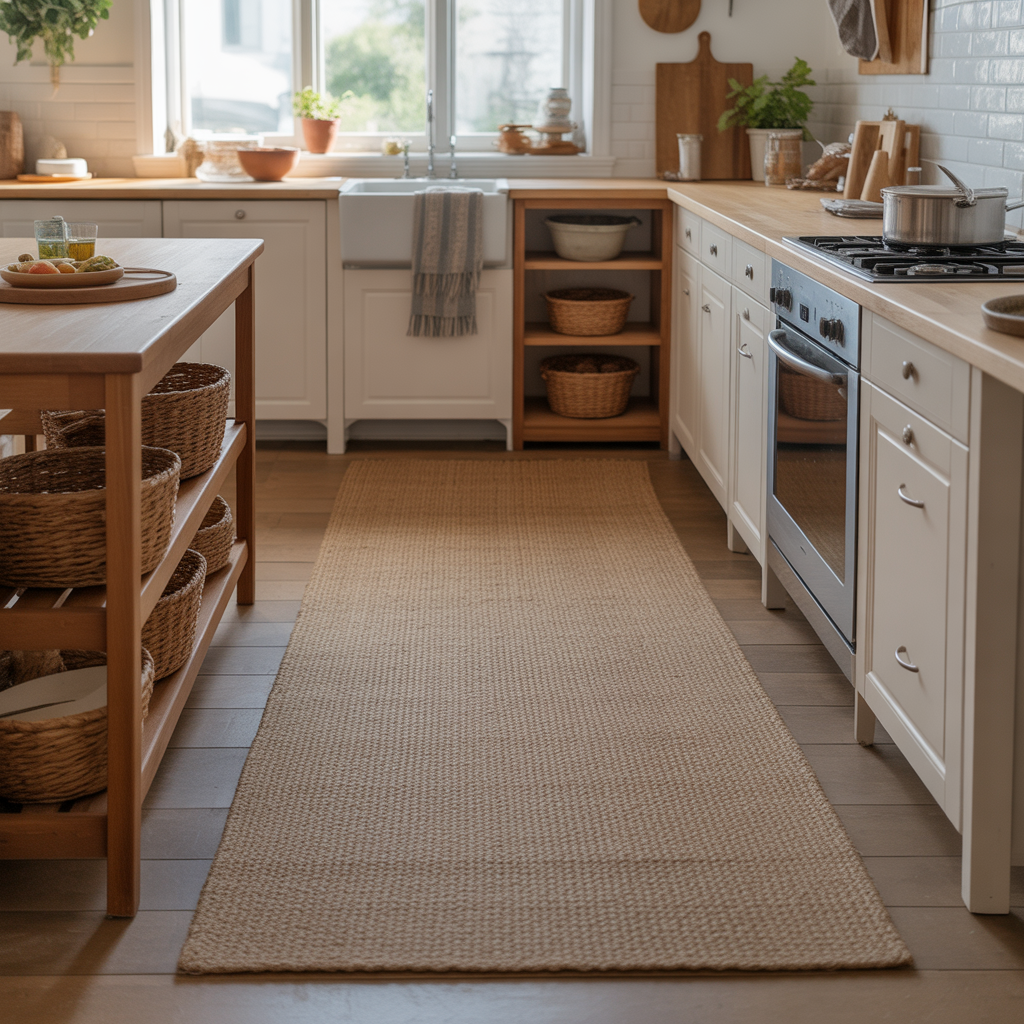
Soft textures balance the hard surfaces of a kitchen. Add jute, sisal, or hemp rugs to bring warmth underfoot. Earthy rugs in muted tones also absorb sound, making the kitchen cozier and quieter. These natural textiles complement stone and wood while reinforcing the grounded atmosphere.
Matte Black or Bronze Hardware
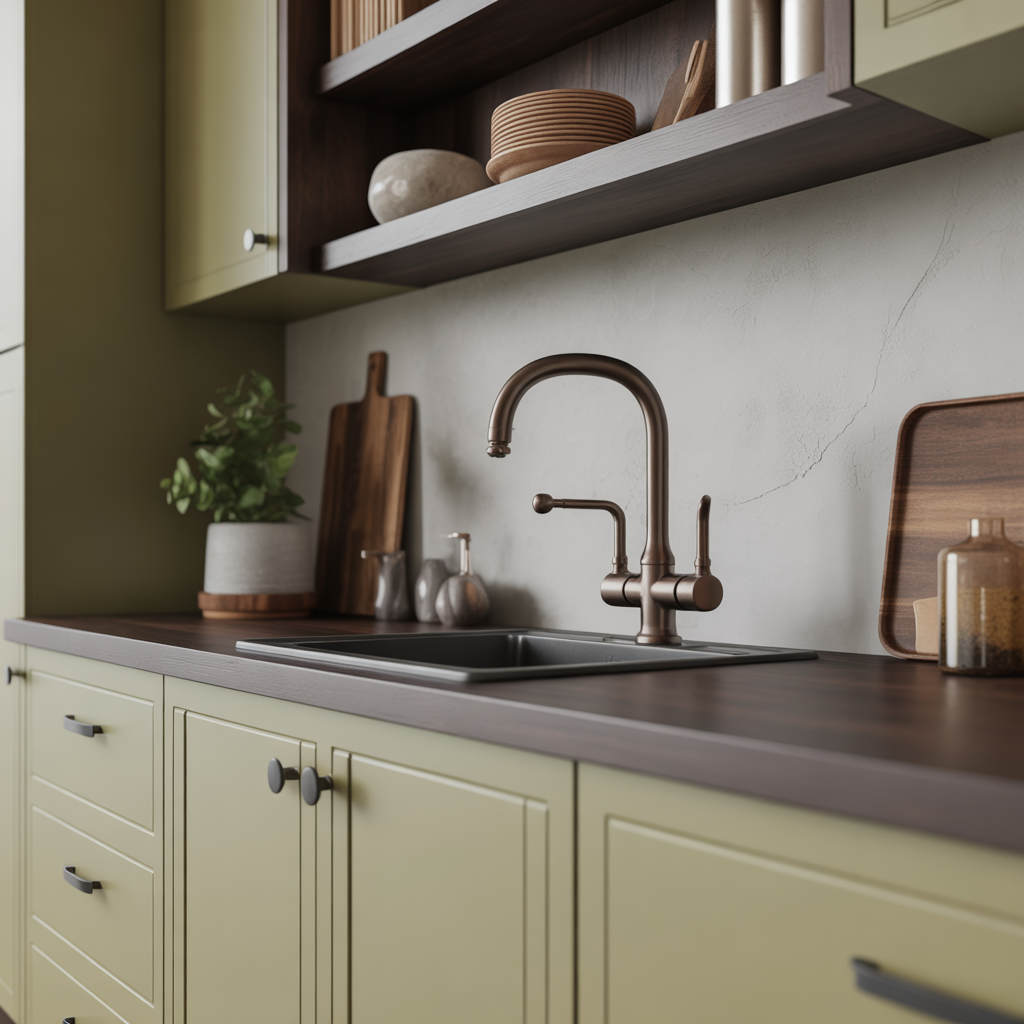
The hardware you choose can transform your space. Matte black and bronze knobs, pulls, and faucets pair beautifully with earthy tones. They add subtle sophistication without taking away from the natural materials. Their understated appeal makes them perfect for earthy kitchen designs.
Reclaimed Wood Accents

From exposed beams to butcher block counters, reclaimed wood makes a strong design statement. Using wood with visible wear tells a story and adds history to your kitchen. This sustainable choice also prevents waste and enhances the earthy aesthetic.
Minimalist Approach to Décor
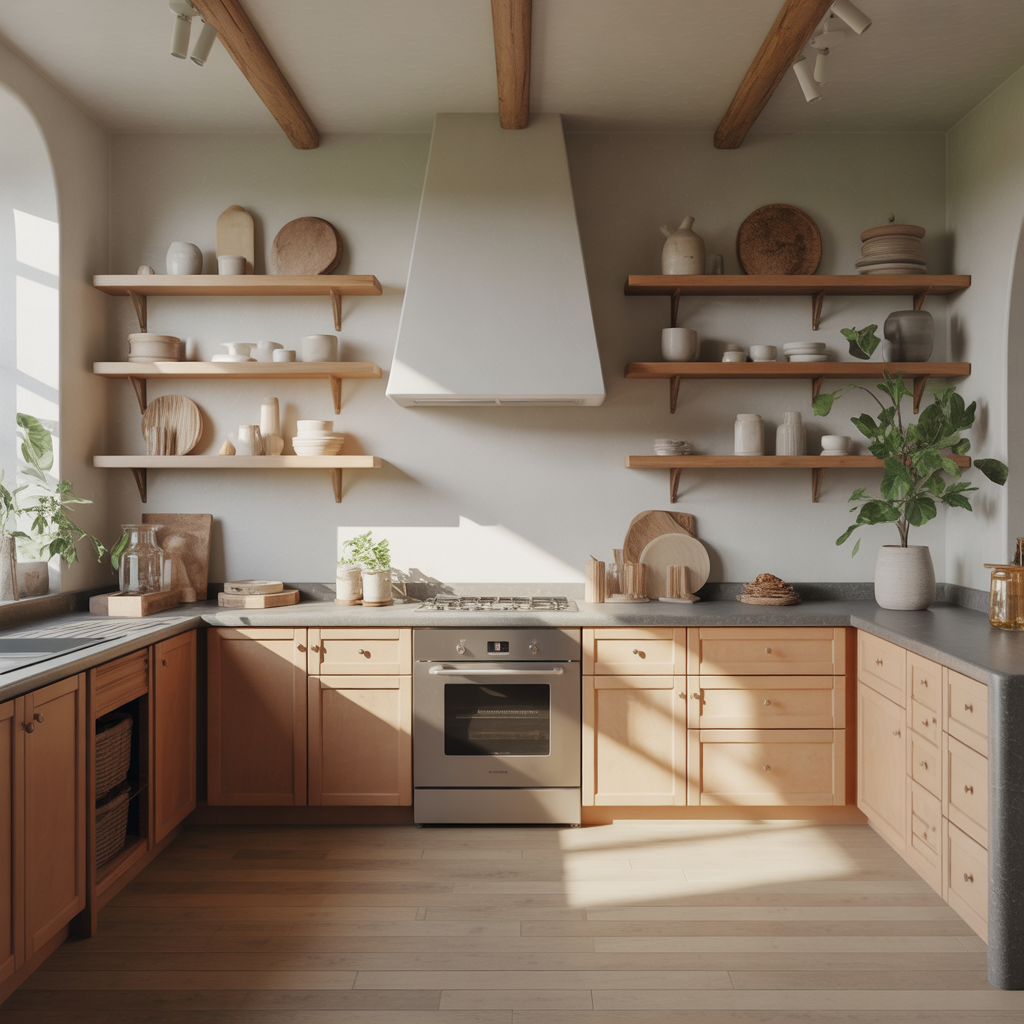
Less is more in an earthy kitchen. Avoid over-decorating, and focus on quality over quantity. Keep countertops clear, display only a few carefully chosen ceramics or plants, and let the natural materials shine. Minimalism ensures the earthy look feels intentional rather than cluttered.
Warm and Ambient Lighting
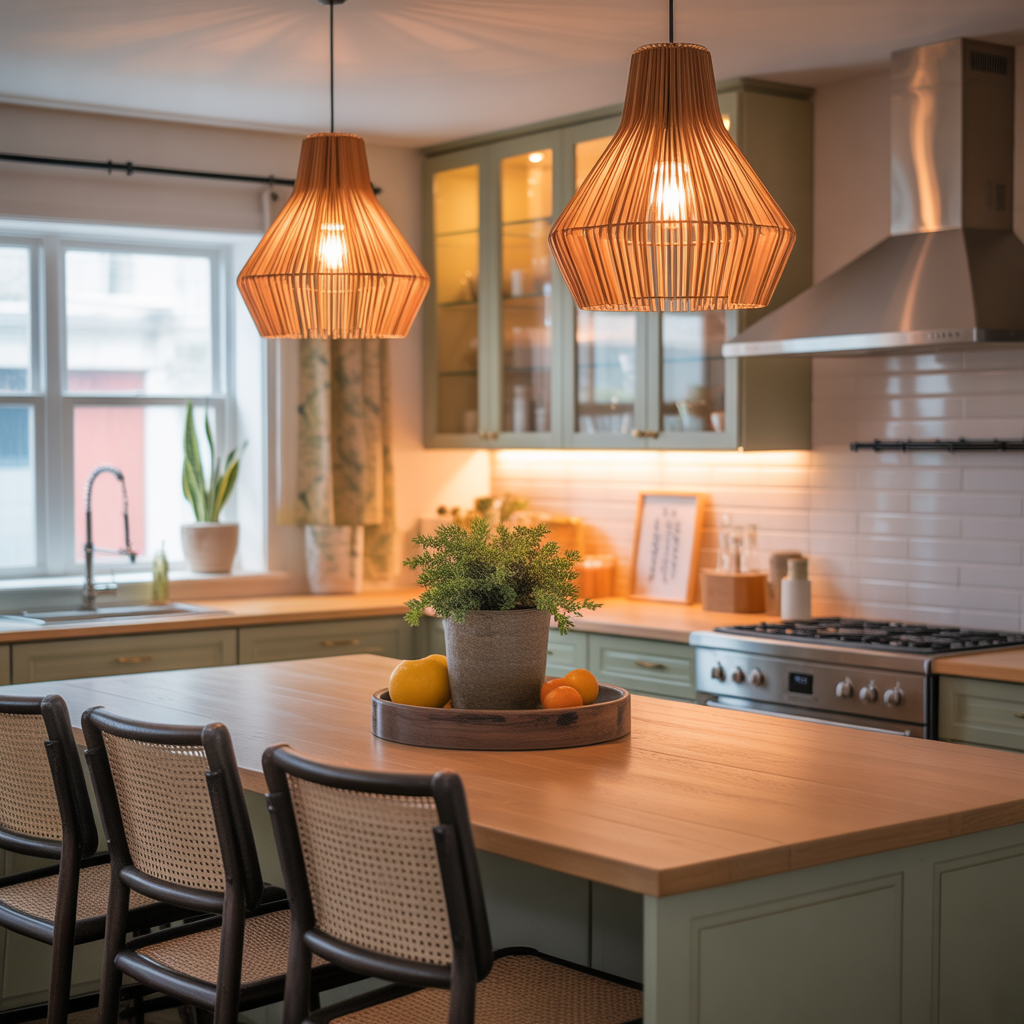
Lighting plays a key role in setting the mood. Use pendant lights with woven shades, lantern-style fixtures, or warm Edison bulbs. A soft, ambient glow enhances the warmth of your earthy kitchen and makes evenings feel cozy.
Stone or Concrete Flooring
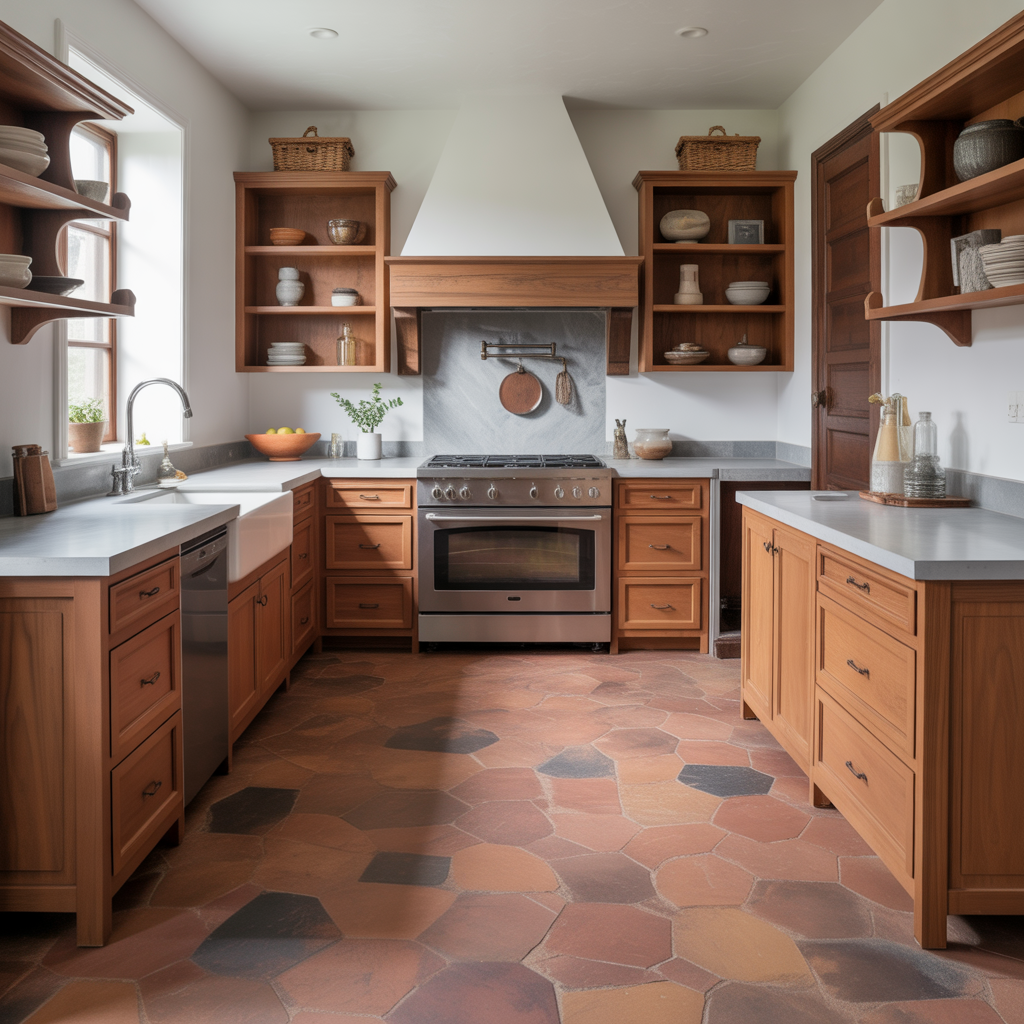
If terracotta isn’t your style, stone or polished concrete floors are excellent alternatives. These durable materials add a rugged, grounded feel while pairing beautifully with wood cabinetry and stone countertops. Their cool tones balance warm earthy shades in your kitchen palette. You can further soften the look with layered rugs for extra warmth and texture. This choice is ideal for high-traffic homes since it withstands daily wear with ease.
Rustic Dining Nooks
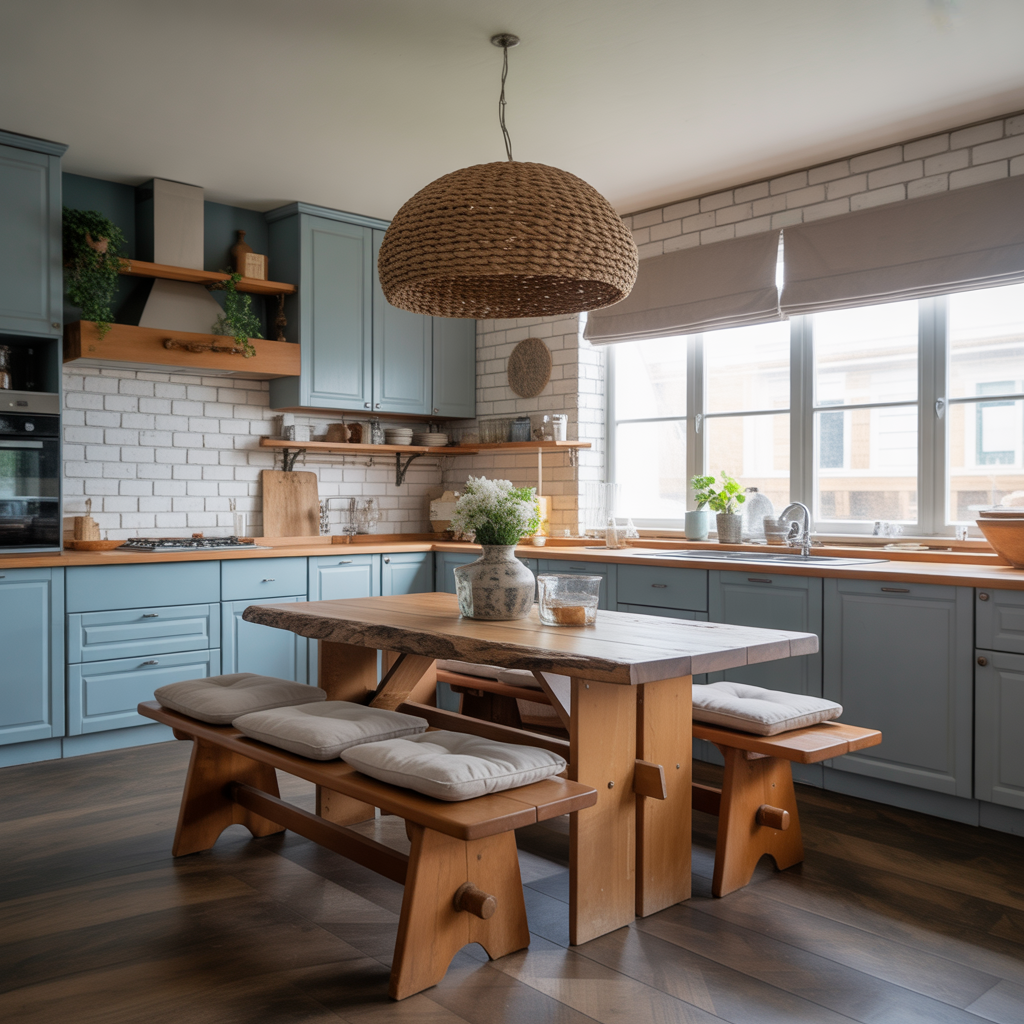
Incorporating a cozy dining nook with a wooden bench, linen cushions, and a raw-edged wooden table makes the kitchen more inviting. These rustic elements tie into the earthy theme and create a welcoming space for family meals. Adding warm pendant lighting above the nook enhances its charm and makes it a favorite gathering spot. Even in small kitchens, a compact breakfast bench can transform the overall atmosphere.
Handmade Textiles
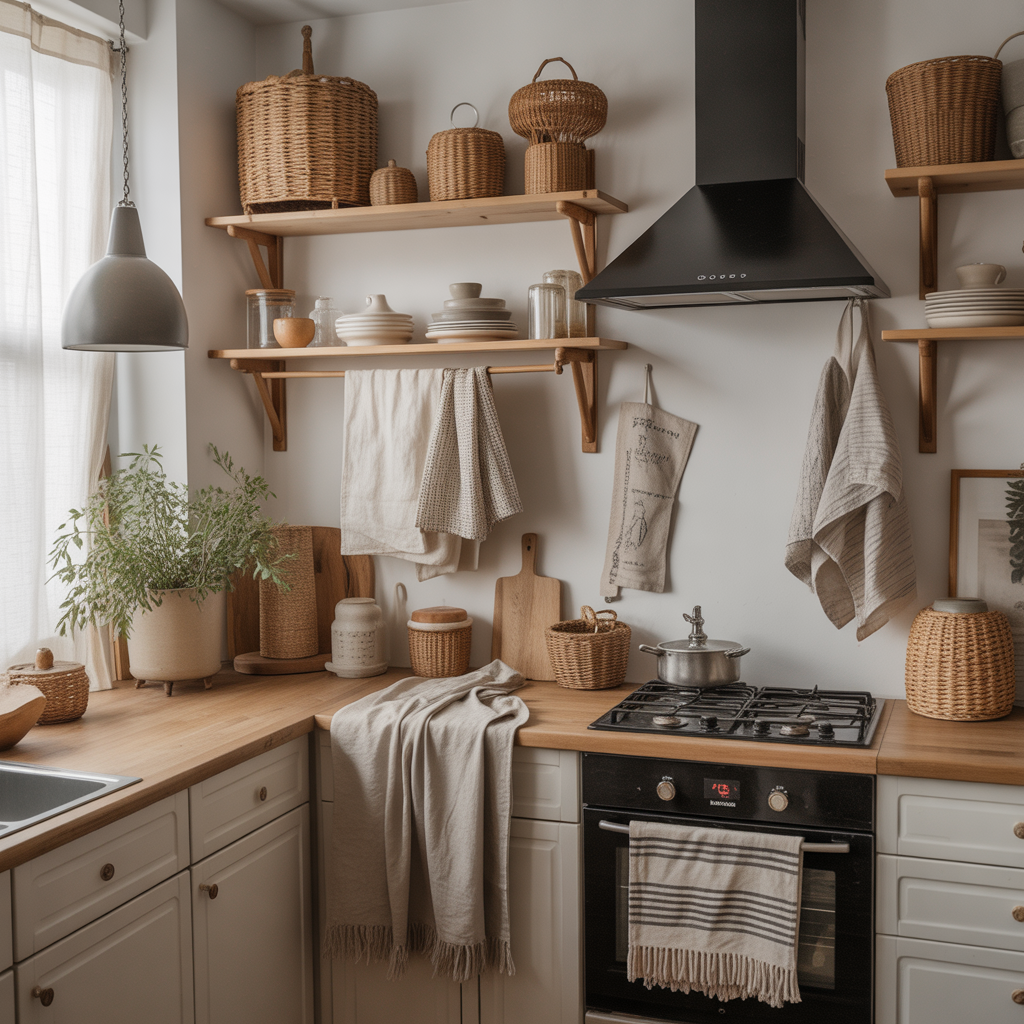
Natural textiles like linen curtains, cotton dish towels, or wool cushions add softness. Look for handwoven designs that emphasize craftsmanship. Textiles bring comfort and tactility, making your earthy kitchen feel lived-in and personal. They also allow you to swap patterns and colors seasonally, keeping your kitchen fresh. Handmade table runners or placemats can further highlight your earthy dining setup.
Earth-Inspired Artwork and Décor
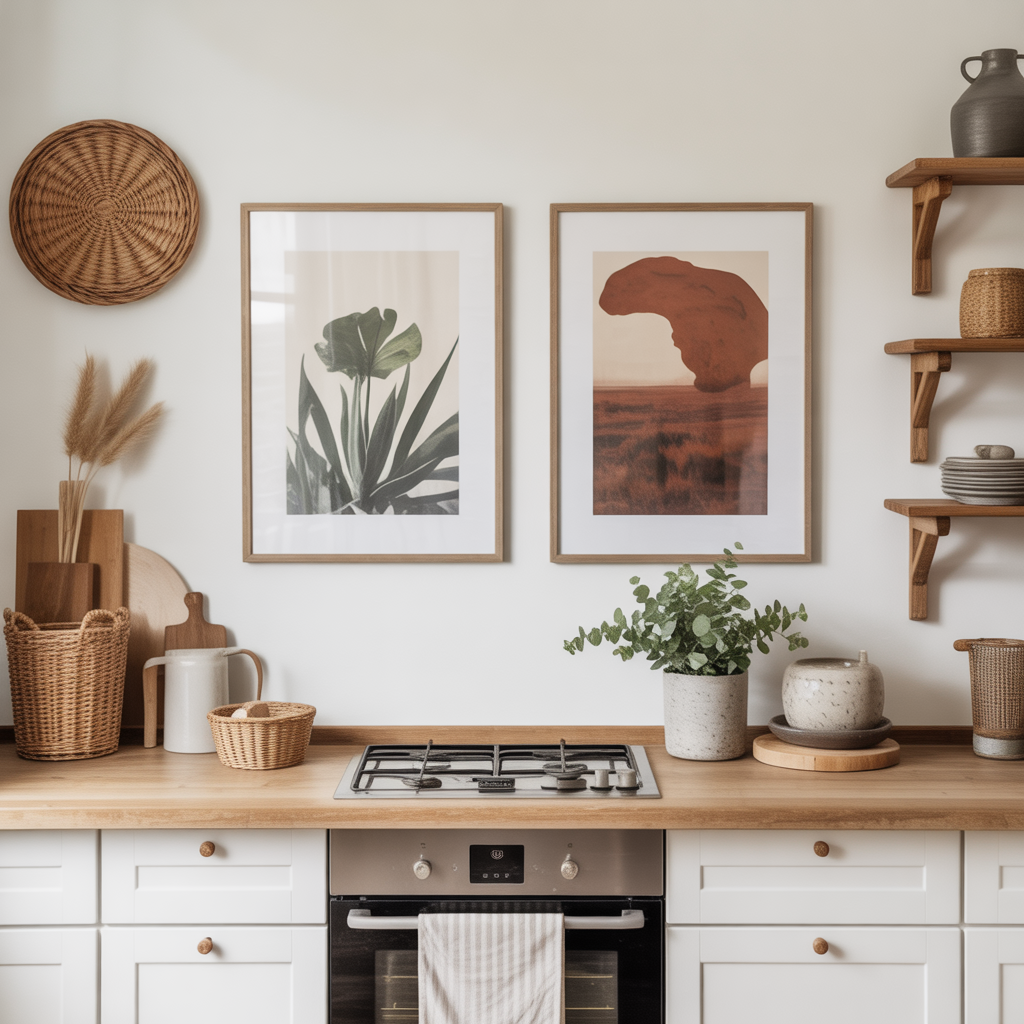
Art featuring botanical prints, landscapes, or earthy abstract patterns adds personality without breaking the natural flow. Frame them in wood or muted frames for cohesion. Small décor choices like woven baskets or stoneware bowls complete the earthy kitchen look. Hanging seasonal artwork allows your kitchen to evolve with nature’s cycle. Larger pieces, like a textured wall-hanging, can even become a central focal point.
Layering Natural Elements
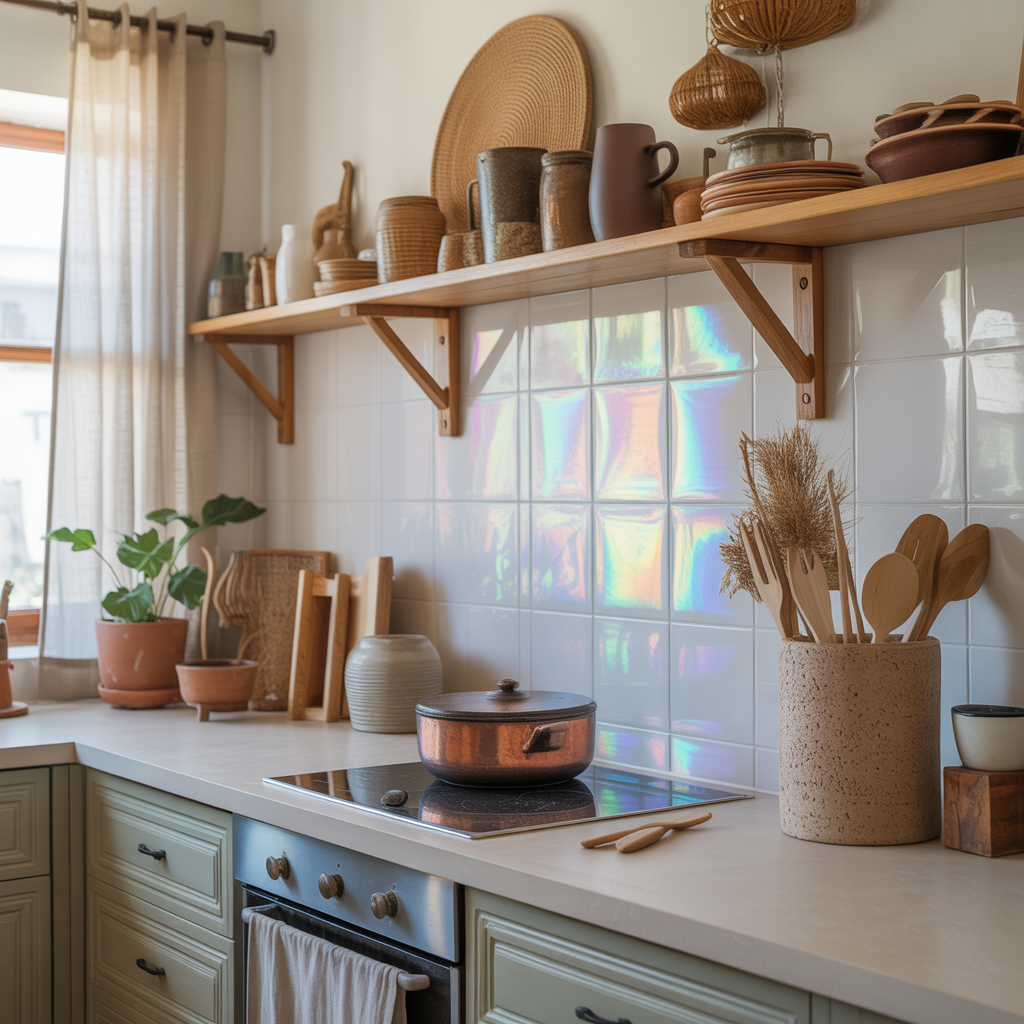
The true magic of an earthy kitchen lies in layering. Wood, stone, clay, metal, and textiles work best when thoughtfully combined. Layer these textures to create balance: a stone countertop with a wooden shelf, paired with clay mugs and linen curtains. This interplay makes the space feel warm, rich, and grounded. The contrast of rough and smooth textures adds visual depth and keeps the design dynamic. By layering carefully, you create a space that feels curated rather than staged.
FAQs about Earthy Kitchens
Q1. What colors work best for an earthy kitchen?
Warm, muted tones like terracotta, olive, beige, taupe, and natural wood hues create the best earthy kitchen color palette. These colors mimic nature and bring harmony to the space.
Q2. Are earthy kitchens expensive to design?
Not necessarily. While natural stone and wood can be investments, budget-friendly options like ceramic tiles, secondhand wood furniture, and DIY shelving can help you achieve the earthy kitchen style affordably.
Q3. How do I keep an earthy kitchen from looking too dark?
Balance deeper tones with natural light, lighter wood finishes, and neutral textiles. Adding greenery also brings brightness and vibrancy.
Q4. What type of lighting suits an earthy kitchen?
Warm-toned lighting like pendant lamps with natural shades, lantern-style fixtures, or recessed warm LEDs enhance the cozy and grounded ambiance.
Q5. Can modern and earthy styles be combined?
Yes, modern minimalism pairs beautifully with earthy kitchens. Sleek hardware, neutral cabinetry, and clean lines can coexist with natural textures like stone and wood.
Final Thoughts
An earthy kitchen is more than just a design—it’s an atmosphere. By blending natural textures, warm tones, sustainable materials, and thoughtful details, you create a kitchen that feels like a grounding retreat within your home. Whether you go for subtle touches like clay accents and greenery or commit fully with reclaimed wood and stone, these ideas help you embrace the warmth and authenticity of nature indoors.
Designing an earthy kitchen not only enhances the beauty of your space but also fosters calmness, balance, and connection to the natural world. It’s the perfect choice for homeowners seeking timeless charm and grounded living.