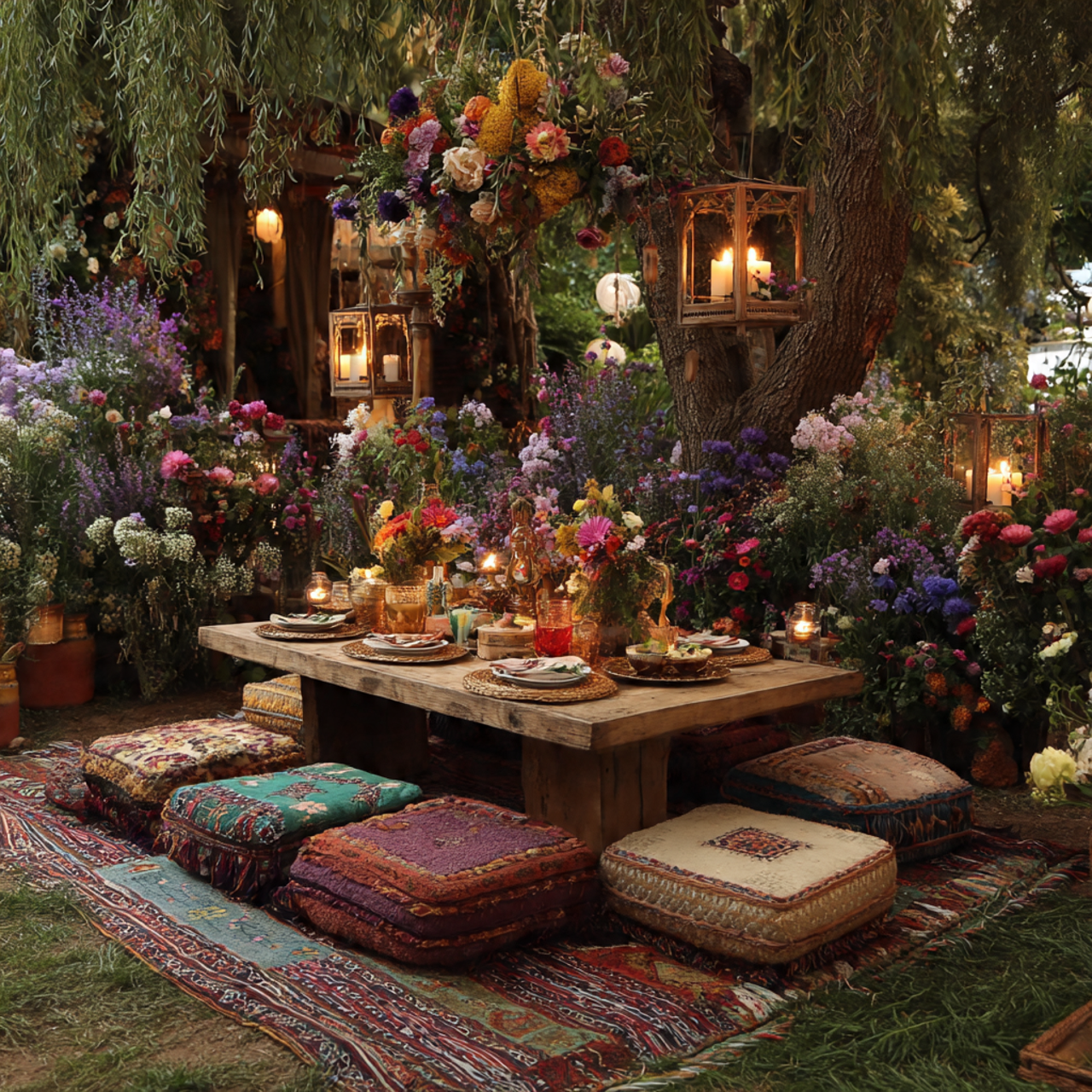
Outdoor Fairy Garden: 15 Magical Ideas to Transform Your Yard
Creating an outdoor fairy garden is one of the most enchanting ways to add magic, creativity, and charm to your backyard or patio. With a blend of imagination and natural beauty, these gardens invite both children and adults into a miniature world of wonder. Whether you’re working with a sprawling backyard, a cozy balcony, or a small corner of your lawn, designing a fairy garden allows you to craft a whimsical retreat filled with intricate details.
In this guide, we’ll explore 15 detailed and inspiring ideas to bring your outdoor fairy garden to life. Along the way, you’ll also find practical tips, decor suggestions, and answers to common questions to make your fairy garden as magical as possible.
Whimsical Entrance with Fairy Doors
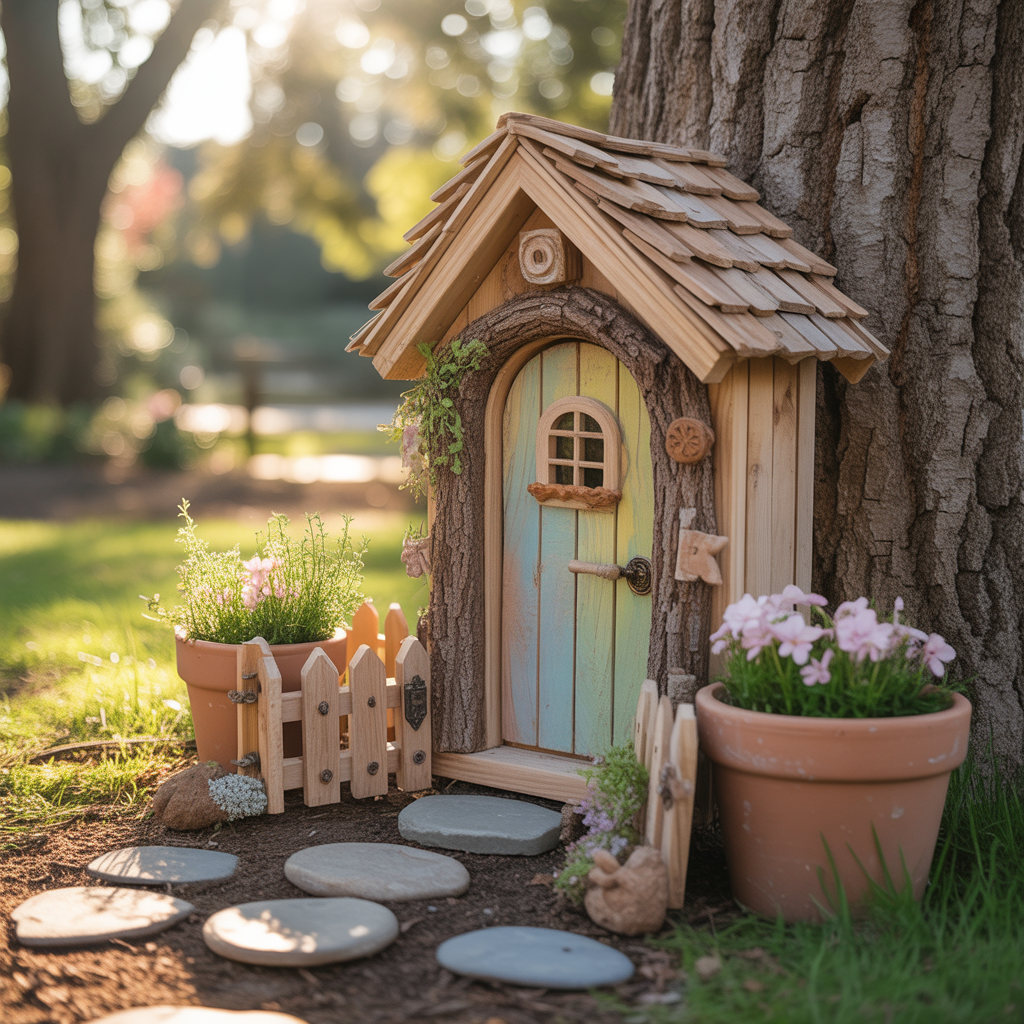
Every outdoor fairy garden begins with a charming entrance. Adding a tiny, handcrafted fairy door against a tree trunk, fence, or flowerpot instantly transforms an ordinary space into a magical gateway. Choose doors made from wood, clay, or resin for durability outdoors. You can even paint the door in pastel colors or rustic tones to match your garden theme. Surround the door with miniature stepping stones, moss, or trailing vines to make it look like fairies truly live there. This first impression sets the stage for everything else in your fairy world.
Miniature Pathways with Pebbles and Stones
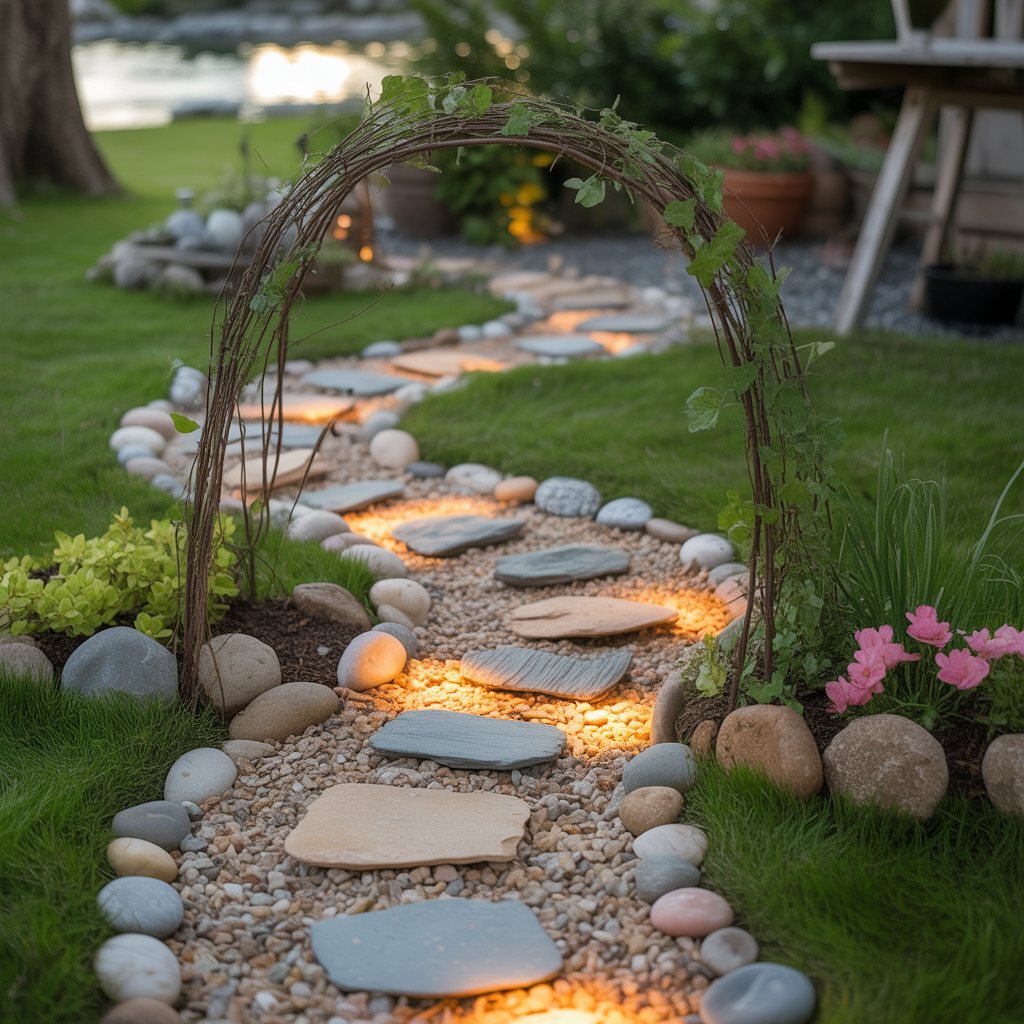
Pathways bring structure to your outdoor fairy garden and invite visitors (real or imagined) to wander. Use pebbles, crushed shells, or tiny flat stones to create winding walkways that lead to fairy houses, ponds, or seating areas. For extra charm, sprinkle glow-in-the-dark gravel that illuminates at night, making your garden magical even after sunset. Adding small archways of twigs or wire wrapped with ivy along the path enhances the enchanted forest look. These paths also help divide your fairy garden into distinct “zones.”
Fairy Houses Crafted from Natural Materials

The centerpiece of every outdoor fairy garden is the fairy house. Build yours using natural elements like bark, acorns, twigs, and leaves for an authentic woodland style. Alternatively, repurpose birdhouses or small planters into fairy dwellings. Paint them in earthy tones or decorate with moss roofs and tiny windows made from beads or stones. Place the houses near flower beds or tucked into shady corners, where they appear hidden and mysterious. A collection of multiple fairy homes creates a whimsical fairy village.
Tiny Furniture for Fairy Comfort
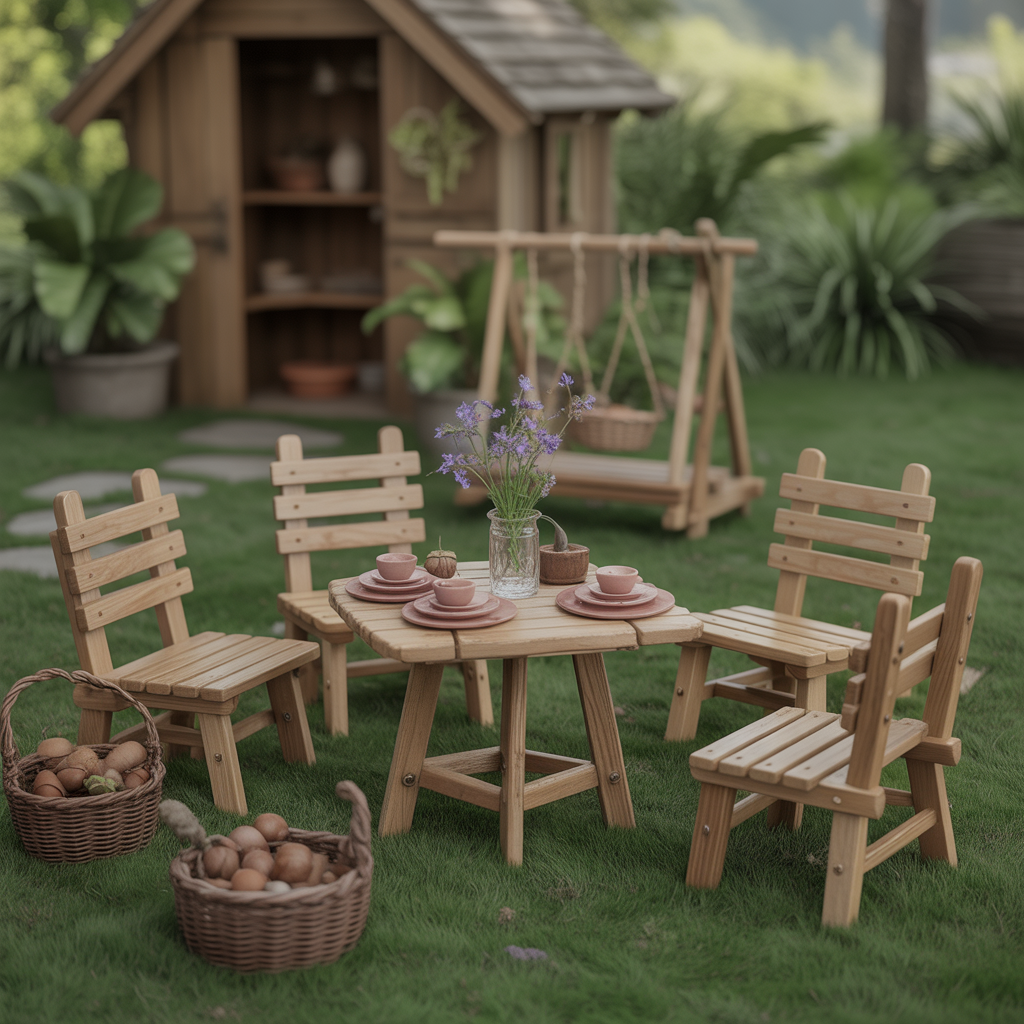
Adding furniture brings your outdoor fairy garden to life. Think miniature benches, chairs, swings, or even hammocks made from wire, wood, or clay. Set up a dining table with acorn caps as bowls or seashells as plates. Place these items under shady plants or next to fairy houses for a cozy, lived-in feel. If you enjoy DIY projects, making fairy furniture can be a fun family activity. Arrange the furniture in scenes, such as a picnic spot, tea party area, or reading nook, to tell a story through your garden.
Water Features and Fairy Ponds
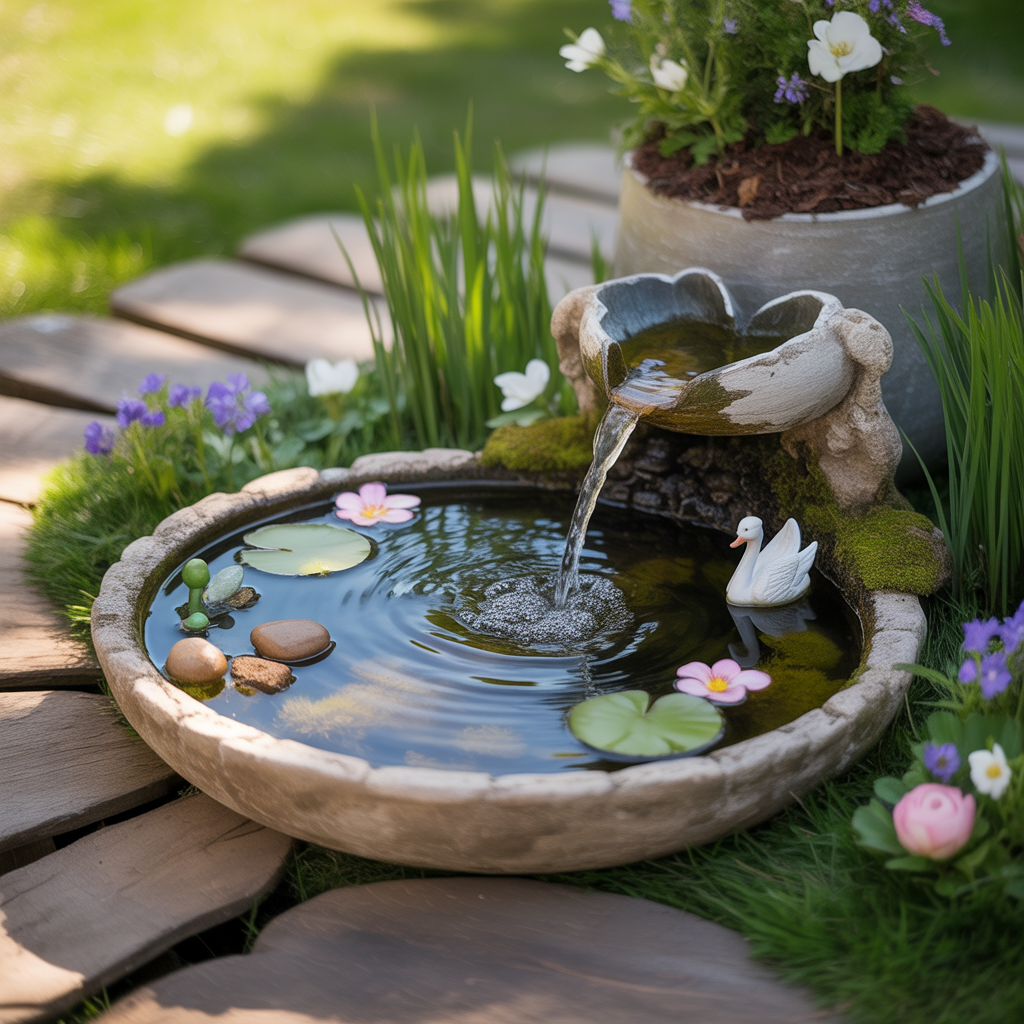
Nothing makes an outdoor fairy garden more enchanting than a sparkling water feature. Create a tiny pond using a shallow dish, small bowl, or half-buried ceramic pot. Fill it with water and float flower petals, pebbles, or miniature lily pads on the surface. You can also add small figurines of frogs or swans to enhance the scene. For moving water, use a solar-powered fountain to mimic a babbling brook or waterfall. The sound of water adds tranquility while making your fairy world feel alive.
Seasonal Fairy Garden Themes
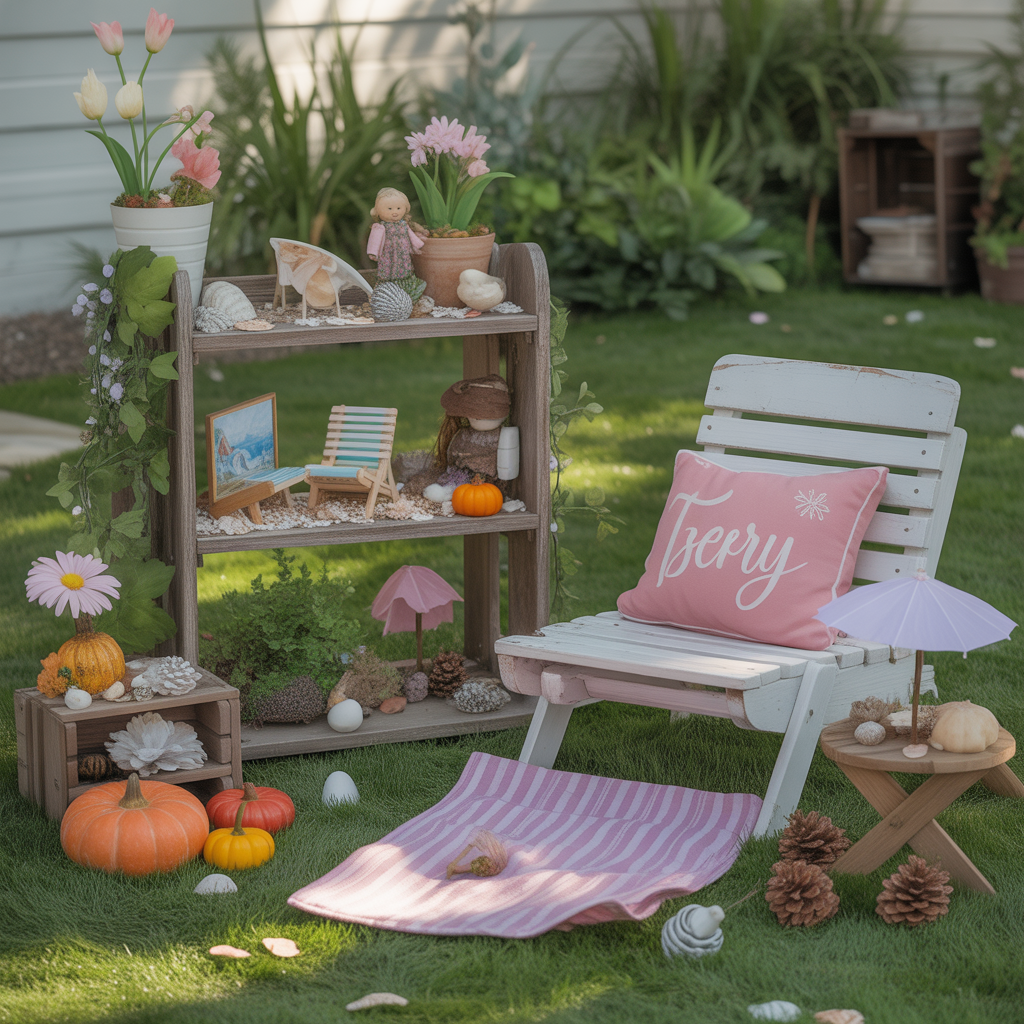
Keep your outdoor fairy garden fresh and exciting by changing it with the seasons. In spring, fill it with blooming tulips, daisies, and pastel decorations. Summer can bring seashell paths, beach chairs, and mini umbrellas for a coastal vibe. In autumn, add pumpkins, acorns, and fairy scarecrows to capture harvest energy. For winter, sprinkle artificial snow, pinecones, and fairy-sized sleds. This rotation ensures your garden feels alive year-round and gives you a reason to revisit and refresh your creativity.
Use of Lighting for Evening Magic
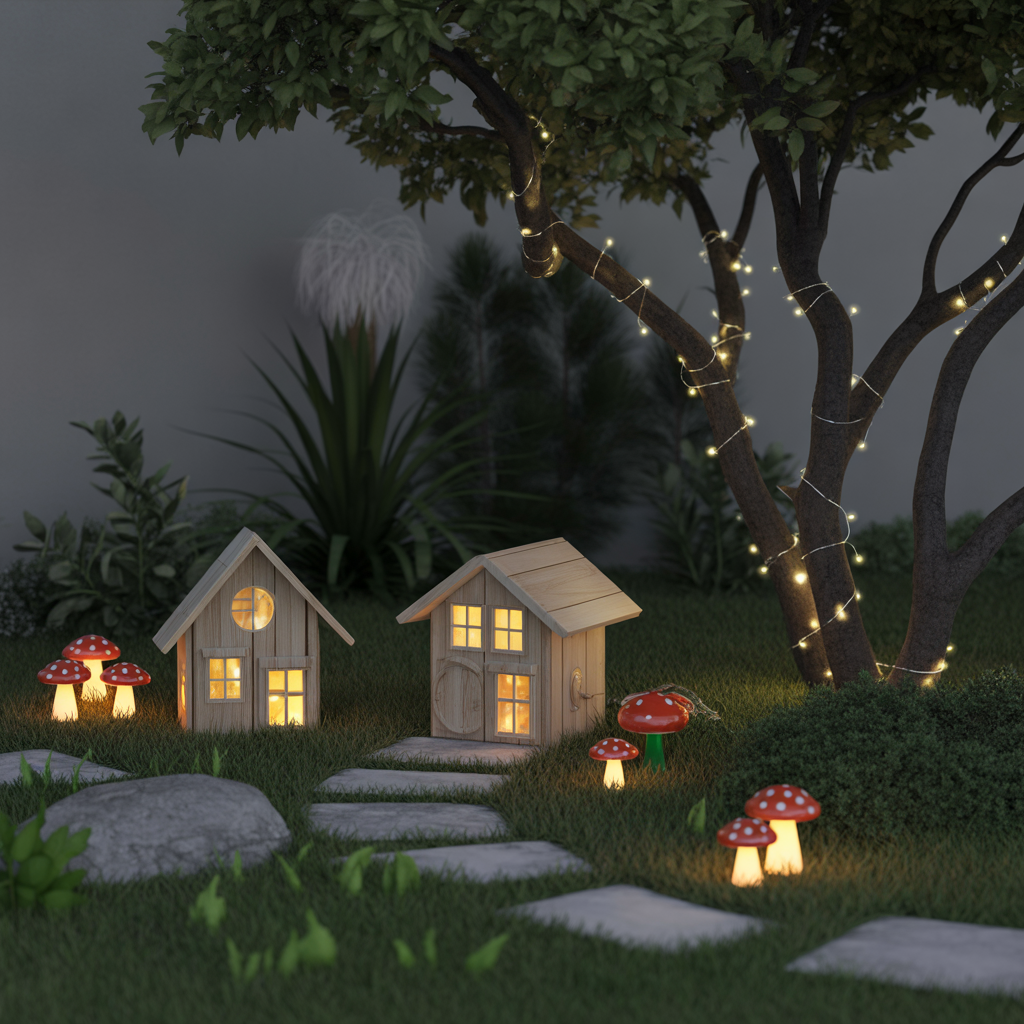
Fairy gardens become even more magical when illuminated at night. Solar-powered string lights, fairy lanterns, or glow-in-the-dark mushrooms make your outdoor fairy garden sparkle after dark. Hide tiny LED lights inside fairy houses to mimic a warm glow from within. You can also wrap twinkle lights around branches or pathways for a starry effect. Lighting not only enhances the fairy atmosphere but also allows you to enjoy your creation in the evenings during summer gatherings.
Incorporating Plants and Flowers
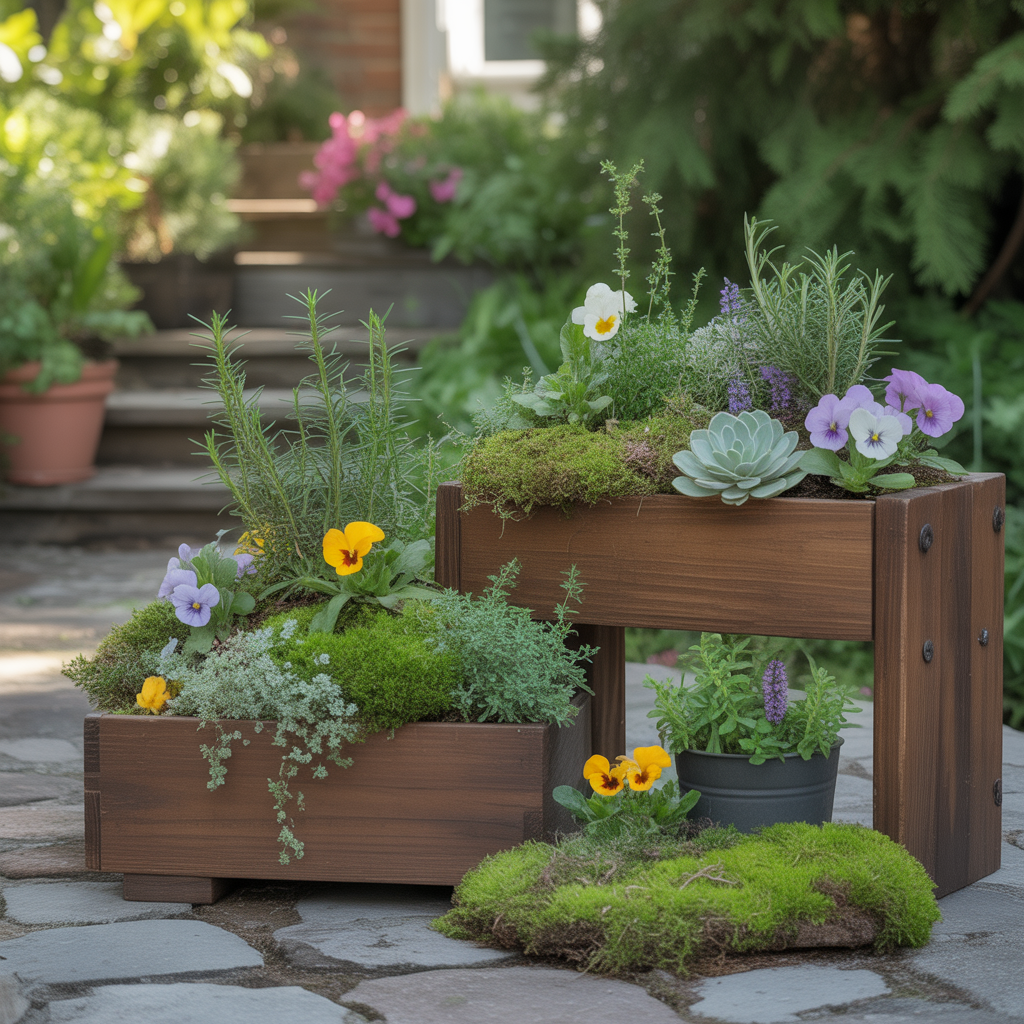
The plants you choose will shape the look of your outdoor fairy garden. Opt for low-growing greenery like moss, creeping thyme, or miniature succulents to resemble tiny forests. Bright flowers such as pansies, marigolds, and violas add pops of color while staying compact. For vertical interest, plant dwarf shrubs or climbing vines as fairy “trees.” Herbs like rosemary and lavender not only provide fragrance but also scale well in fairy-themed settings. Remember, mixing textures and heights creates a natural, enchanting look.
Adding Fairy Figurines and Characters
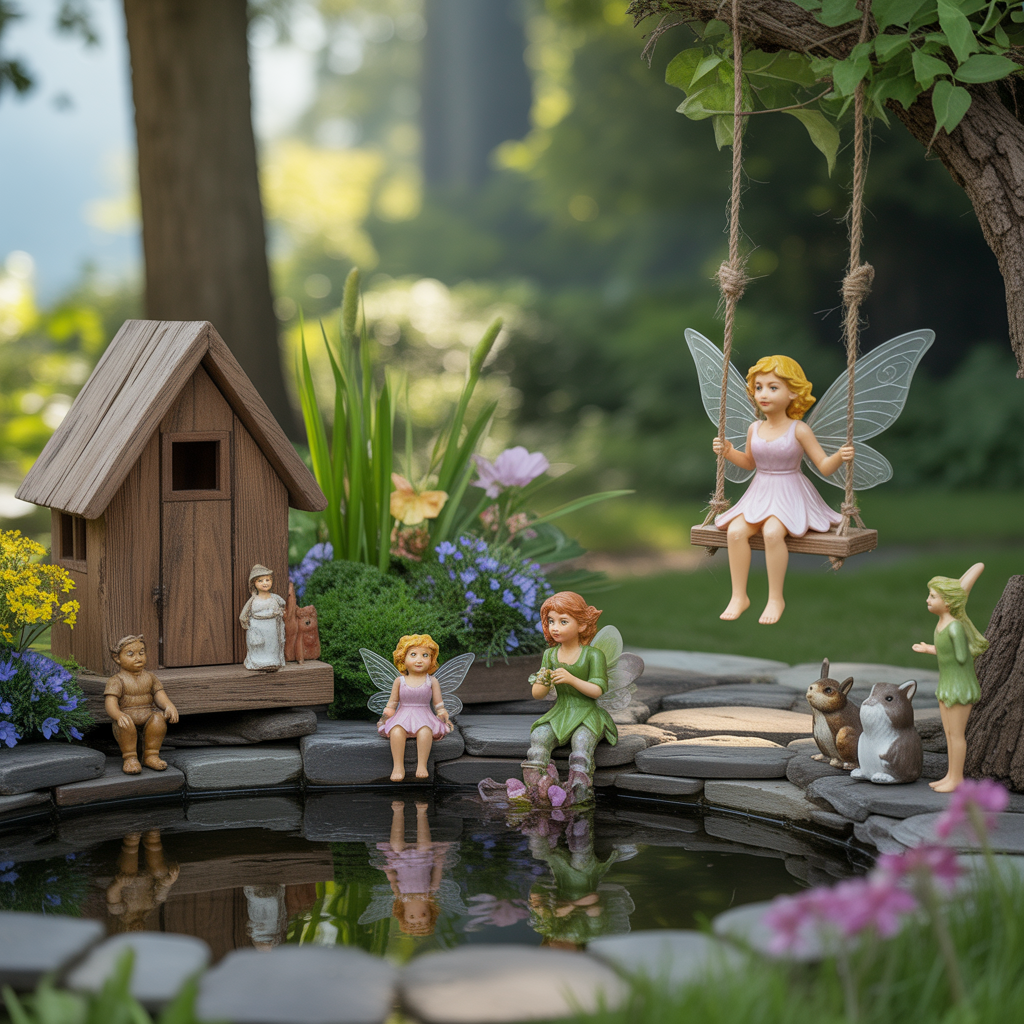
While houses and plants set the stage, fairy figurines bring the story alive. Choose resin or ceramic fairies, elves, or woodland creatures to populate your garden. Place them strategically—sitting on swings, peeking from behind flowers, or lounging near ponds. Balance is key; too many figurines can make the garden look crowded. Add variety by mixing in animals like rabbits, owls, or squirrels to enhance the forest theme. Figurines should complement the natural environment rather than overpower it.
Creative Fairy Garden Containers
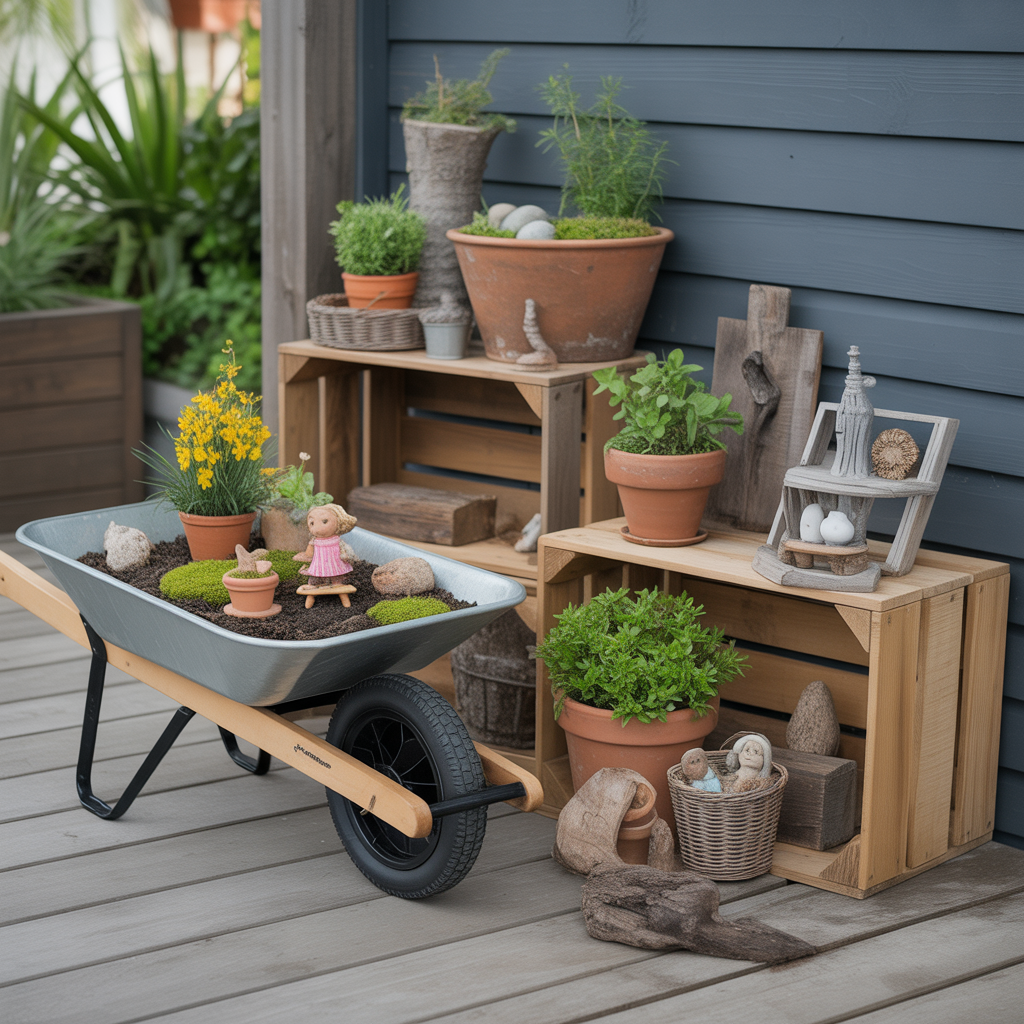
Not everyone has a large yard, but even the smallest outdoor spaces can host a fairy garden. Use creative containers like wheelbarrows, birdbaths, terracotta pots, or wooden crates. Layer soil, moss, and pebbles inside and arrange miniature accessories as you would in a larger setting. Container fairy gardens are portable, making them easy to move indoors during harsh weather. They’re also perfect for patios, balconies, or small backyards. Choosing unique containers ensures your fairy garden stands out.
Rustic Fairy Bridges
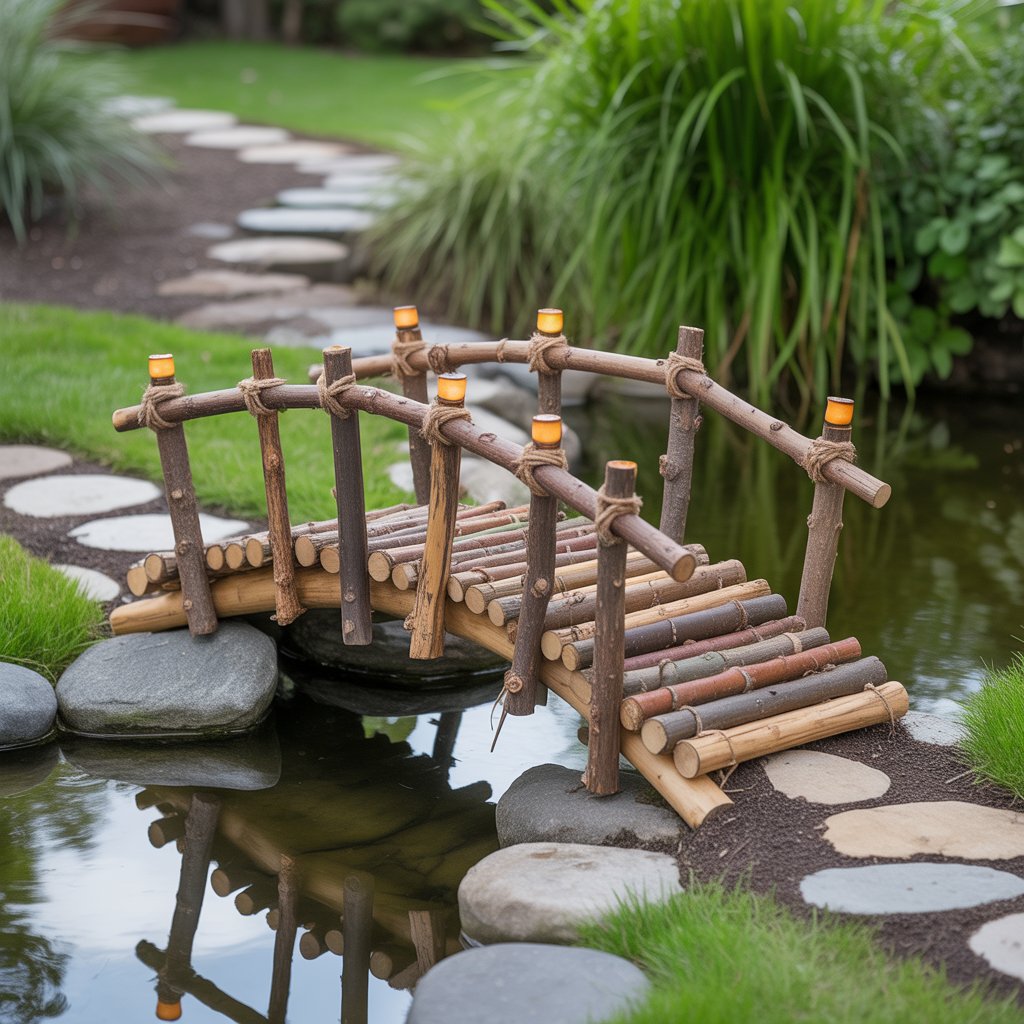
Bridges add charm and create the illusion of movement in your outdoor fairy garden. Use twigs, popsicle sticks, or stones to craft rustic bridges that span over tiny ponds or pathways. Paint them in earthy tones or leave them natural for a woodland feel. Bridges can connect different zones in your fairy garden, such as a house to a seating area, adding depth and storytelling. Some even incorporate rope handrails or miniature lanterns for extra detail.
Fairy Mailboxes and Signs
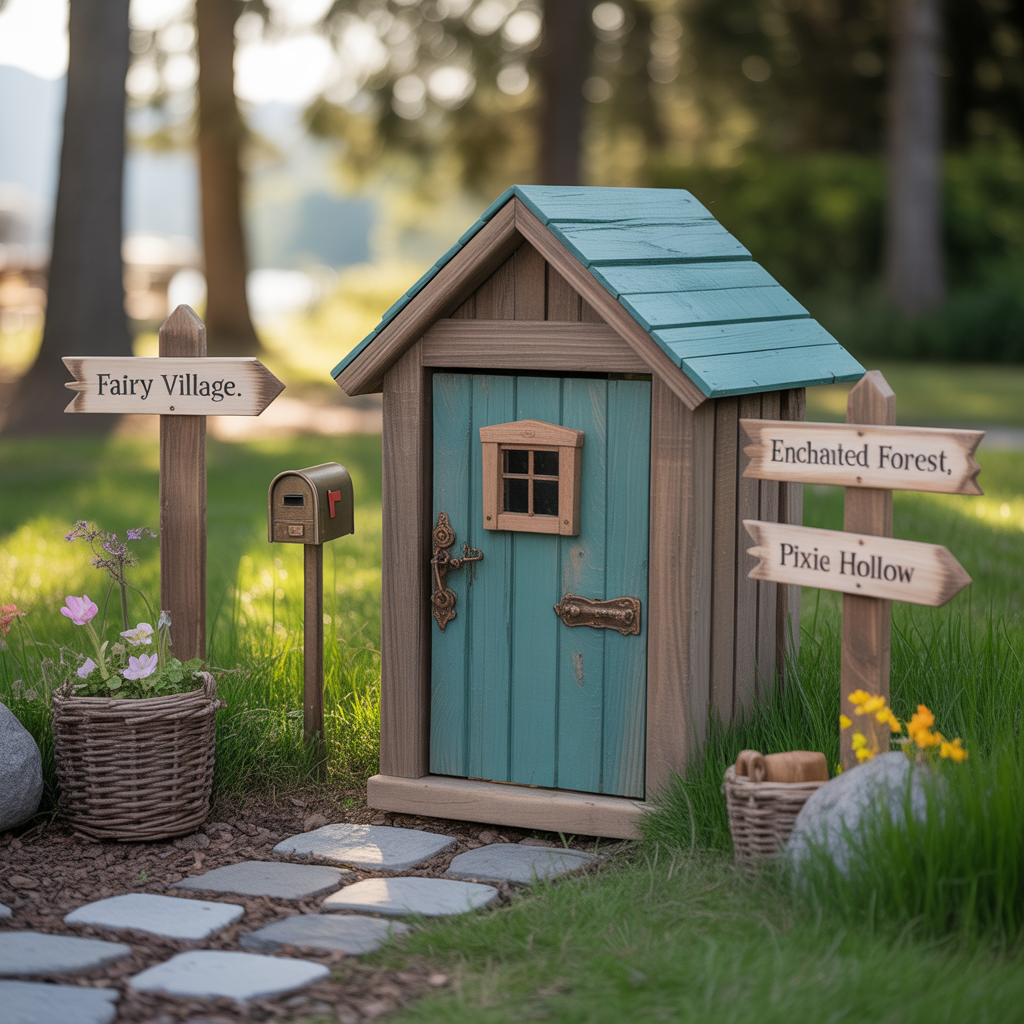
Small details like mailboxes or signposts add narrative to your outdoor fairy garden. Place a miniature mailbox near a fairy door to suggest correspondence between fairies. Wooden signposts labeled “Fairy Village,” “Enchanted Forest,” or “Pixie Hollow” guide visitors through your whimsical world. These signs can be DIY projects made from popsicle sticks, or you can purchase ready-made versions. Adding these features makes your fairy garden interactive and fun for children, sparking imagination about what happens when no one is watching.
Incorporating Natural Elements for Realism
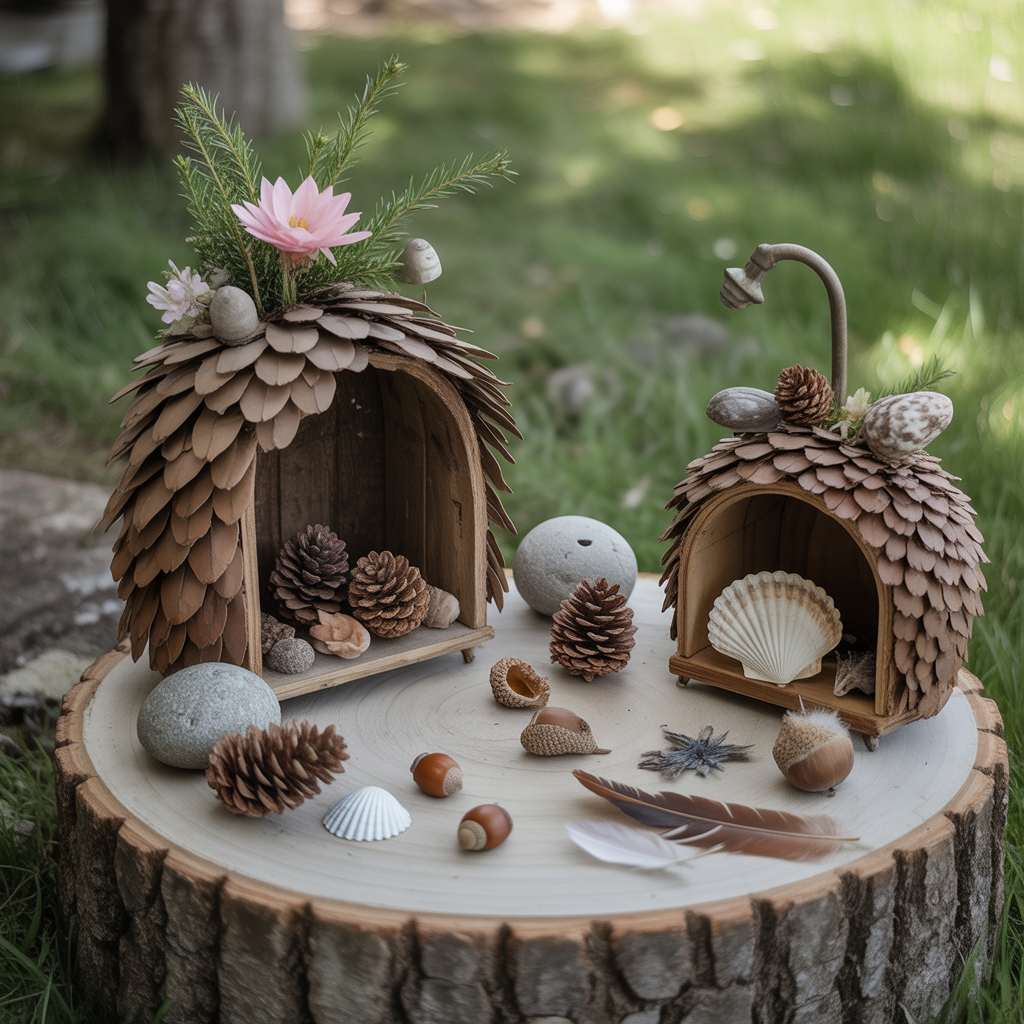
Nature itself is the best source of inspiration for an outdoor fairy garden. Use pinecones as fairy huts, seashells as bathtubs, or smooth stones as garden benches. Scatter acorns, feathers, and dried flowers to add rustic touches. Using natural materials not only blends seamlessly with the environment but also makes your garden eco-friendly. Regularly refreshing these elements with seasonal finds like fresh leaves or branches keeps the fairy setting authentic and ever-changing.
Storybook-Inspired Fairy Worlds
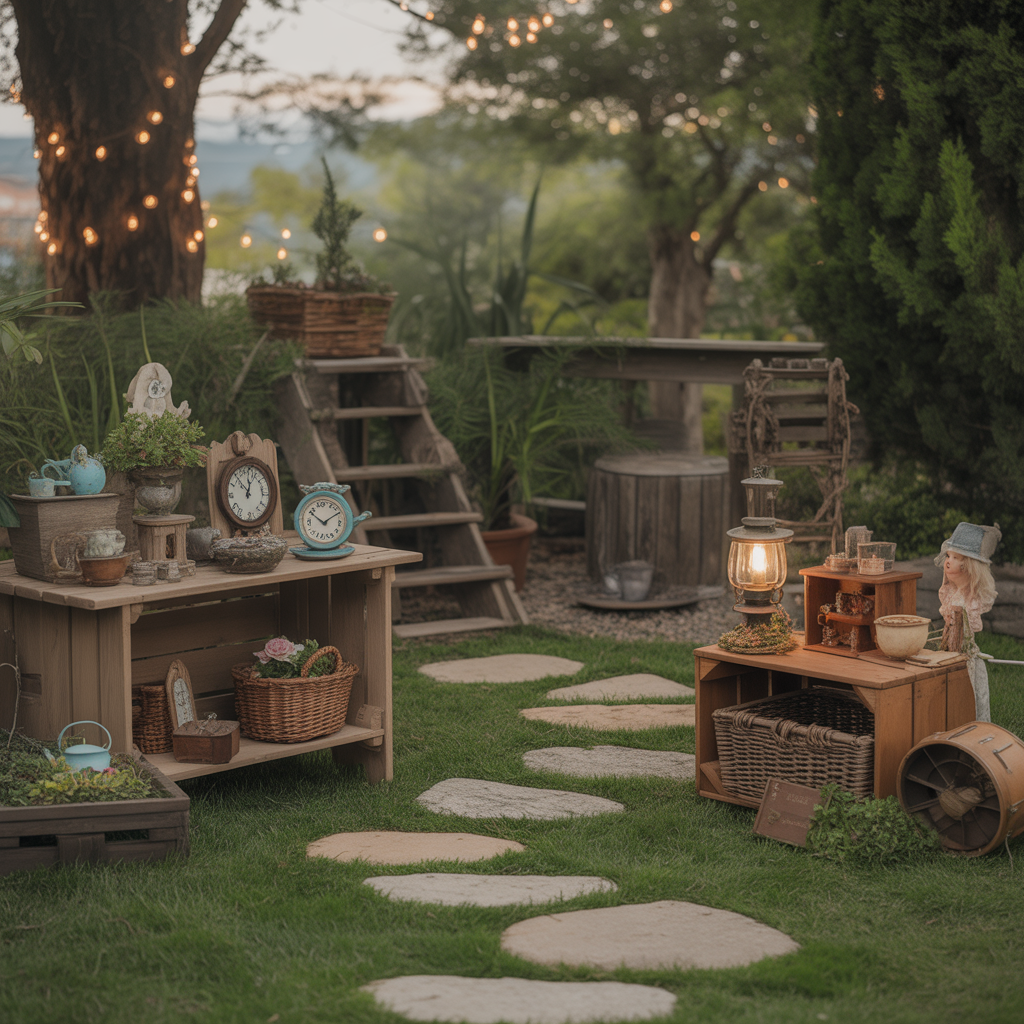
For a truly unique touch, theme your outdoor fairy garden around a favorite story or fantasy world. For instance, create a garden inspired by Alice in Wonderland with tiny teacups and clocks, or replicate a Peter Pan theme with miniature pirate ships and lanterns. This approach personalizes your garden and makes it a conversation starter. It also allows you to incorporate DIY crafts and props that reflect the theme. Storybook fairy gardens bring an extra layer of creativity and magic to your yard.
Fairy Garden Treehouses
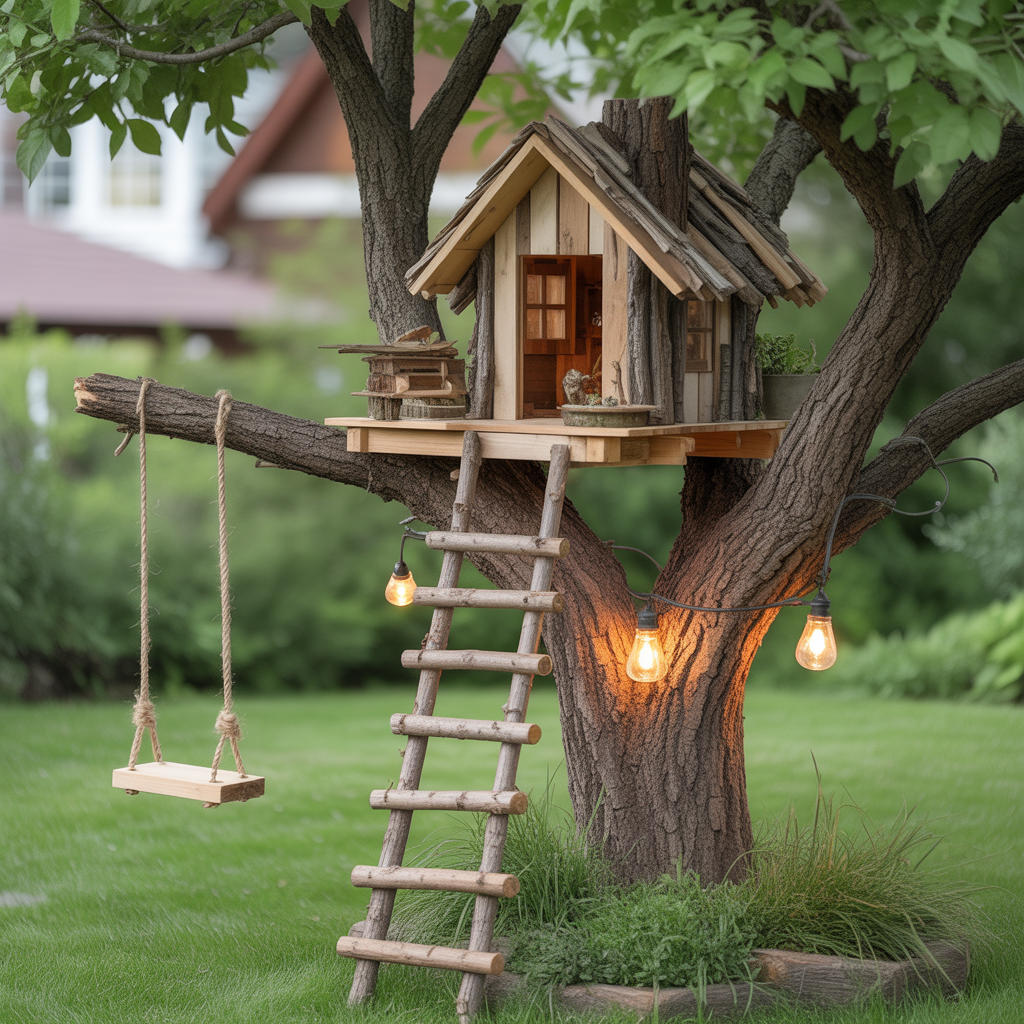
If you have sturdy trees or large shrubs in your yard, adding a miniature treehouse can take your outdoor fairy garden to the next level. Use wood scraps, twigs, or repurposed birdhouses to create small platforms nestled among branches. Attach a tiny rope ladder made from twine and sticks, or add a rustic swing hanging from a low branch to make it look like fairies are enjoying their elevated hideaway. You can also install solar fairy lights spiraling up the trunk to guide the way to the treehouse at night. Positioning the treehouse higher up creates a layered effect in your fairy garden, making it feel more immersive and magical.
FAQs about Outdoor Fairy Gardens
What is the best location for an outdoor fairy garden?
The best location is a partially shaded area with access to natural elements like trees, shrubs, or flowerbeds. This protects delicate accessories while keeping plants healthy.
How do you weatherproof fairy garden accessories?
Choose resin, metal, or sealed wood items designed for outdoor use. Applying a clear waterproof sealant can help protect delicate pieces from rain and sun.
Can an outdoor fairy garden survive winter?
Yes, but it depends on your region. In colder climates, move delicate pieces indoors and use frost-resistant plants. Alternatively, create a winter-themed fairy garden with hardy evergreens and seasonal decor.
Do outdoor fairy gardens attract wildlife?
They can! Birds, butterflies, and even small mammals may be drawn to the plants and water features. This adds to the magic and liveliness of your fairy garden.
How big should an outdoor fairy garden be?
Size depends on your space. Some are as small as a flowerpot, while others span an entire corner of a yard. Start small and expand over time as your creativity grows.
Final Thoughts
An outdoor fairy garden is more than just a decorative project—it’s a way to bring imagination, creativity, and nature together in harmony. From whimsical doors and rustic bridges to glowing lights and storybook-inspired themes, the possibilities are endless. By combining natural elements with handcrafted details, you create a miniature world that feels alive and magical. Whether you design yours in a container, along a garden path, or across a large yard, your fairy garden will be a source of joy, relaxation, and wonder for years to come.