Floating Staircase: 20 Stunning Ideas to Elevate Modern Interiors
Staircases have always been more than just a connection between floors—they serve as an architectural statement that defines the atmosphere of a space. In recent years, the floating staircase has become one of the most desired design features in homes, offices, and luxury properties. Its sleek, open, and minimalist appeal gives interiors an airy feel while maintaining a functional purpose.
In this blog, we’ll explore 20 inspiring floating staircase ideas in detail, ranging from minimal modern options to bold statement pieces. We’ll also answer frequently asked questions about cost, safety, and design choices to help you decide if this staircase style is right for your home.
Sleek Glass and Steel Floating Staircase
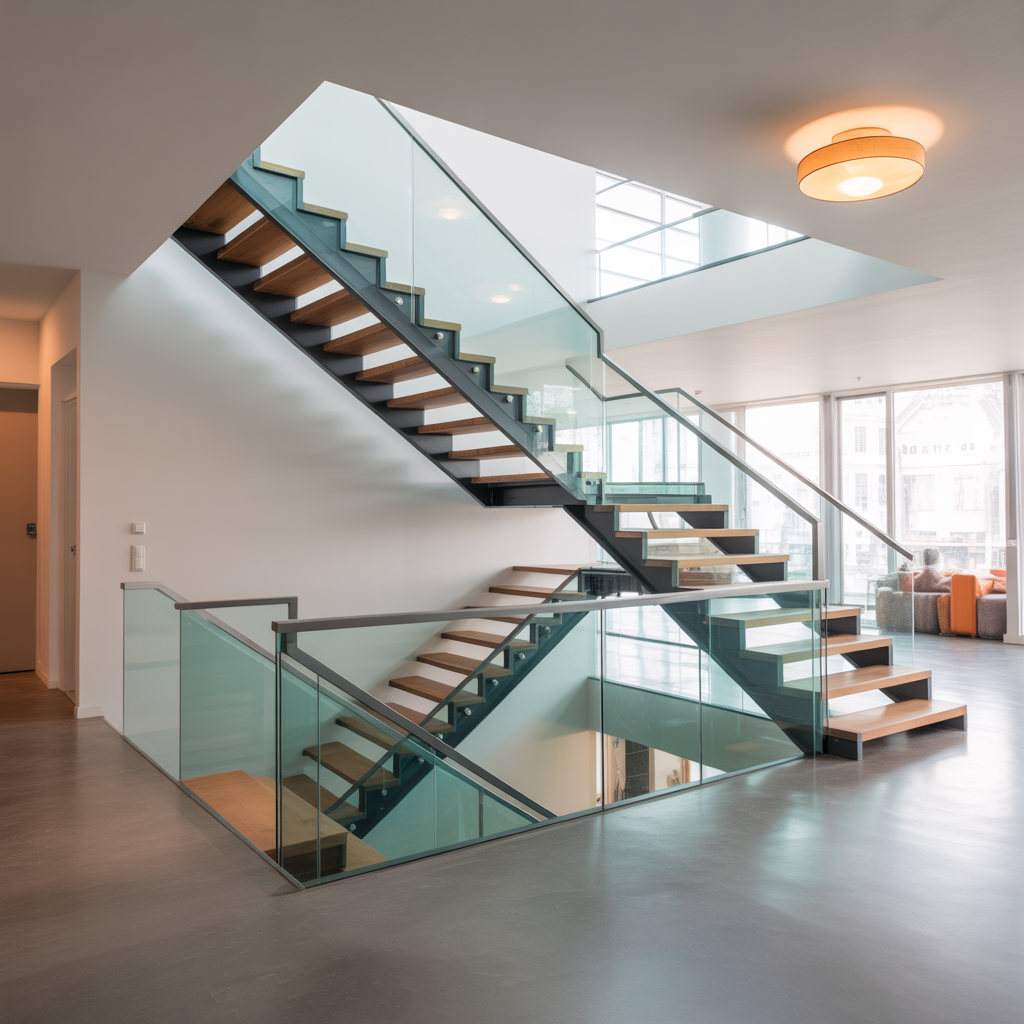
If your goal is to create a modern, futuristic interior, pairing steel treads with glass balustrades is the way to go. A steel base provides strength and durability, while tempered glass panels ensure the staircase feels light and transparent. This combination works particularly well in penthouses and city apartments where natural light needs to flow seamlessly across open-plan areas.
By keeping the railing almost invisible, the staircase itself becomes a sculptural element. A floating staircase designed in this style pairs well with polished concrete floors or white walls for maximum contrast.
Wooden Treads with Invisible Supports

For homeowners who love warmth and minimalism, wooden steps with hidden supports are a beautiful choice. The idea is to let each wooden tread appear as though it’s growing directly out of the wall. To achieve this, engineers use steel brackets embedded into the wall that hold the weight invisibly.
Oak, walnut, and ash wood are popular choices, adding natural elegance to an otherwise clean-lined design. A staircase like this fits perfectly into Scandinavian-inspired homes where simplicity and natural textures are celebrated.
Floating Staircase with LED Lighting
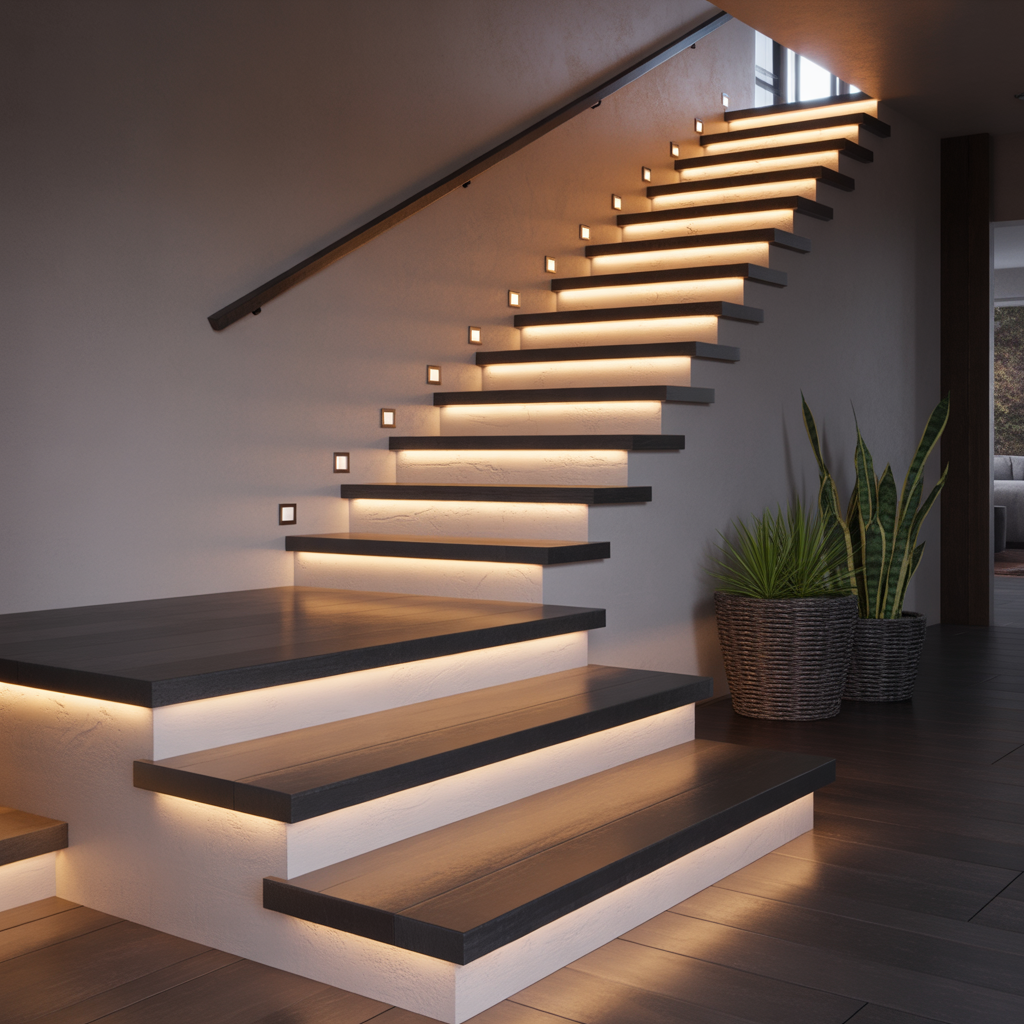
Adding integrated LED lighting beneath or alongside each tread creates a breathtaking visual effect. It also serves as practical night lighting, guiding movement safely in the dark.
LED lights can be programmed for warm, ambient tones or cool, modern hues depending on the mood of the space. In luxury residences, motion sensors can be added so that lights activate as someone steps onto the first tread, making the staircase an interactive centerpiece.
Cantilevered Stone Stair Treads

Stone staircases often feel heavy, but when designed with a floating appearance, they create a dramatic yet balanced look. Cantilevered stone treads, such as marble, granite, or engineered quartz, bring a sense of permanence while still keeping the design airy.
This style works beautifully in homes with high ceilings, open foyers, or luxury villas where elegance is key. The natural veining in marble adds an artistic touch to each step, making the staircase a one-of-a-kind feature.
Minimalist White Floating Staircase

For ultra-modern interiors, a staircase entirely finished in matte or glossy white can become a striking focal point. White lacquered or powder-coated treads create a clean, gallery-like aesthetic that works beautifully in contemporary apartments and art-filled spaces.
Pairing this with a glass railing ensures the structure feels weightless. The result is a bright, minimalist staircase that enhances natural light and makes the room appear more spacious.
Industrial Style Floating Staircase with Metal Treads
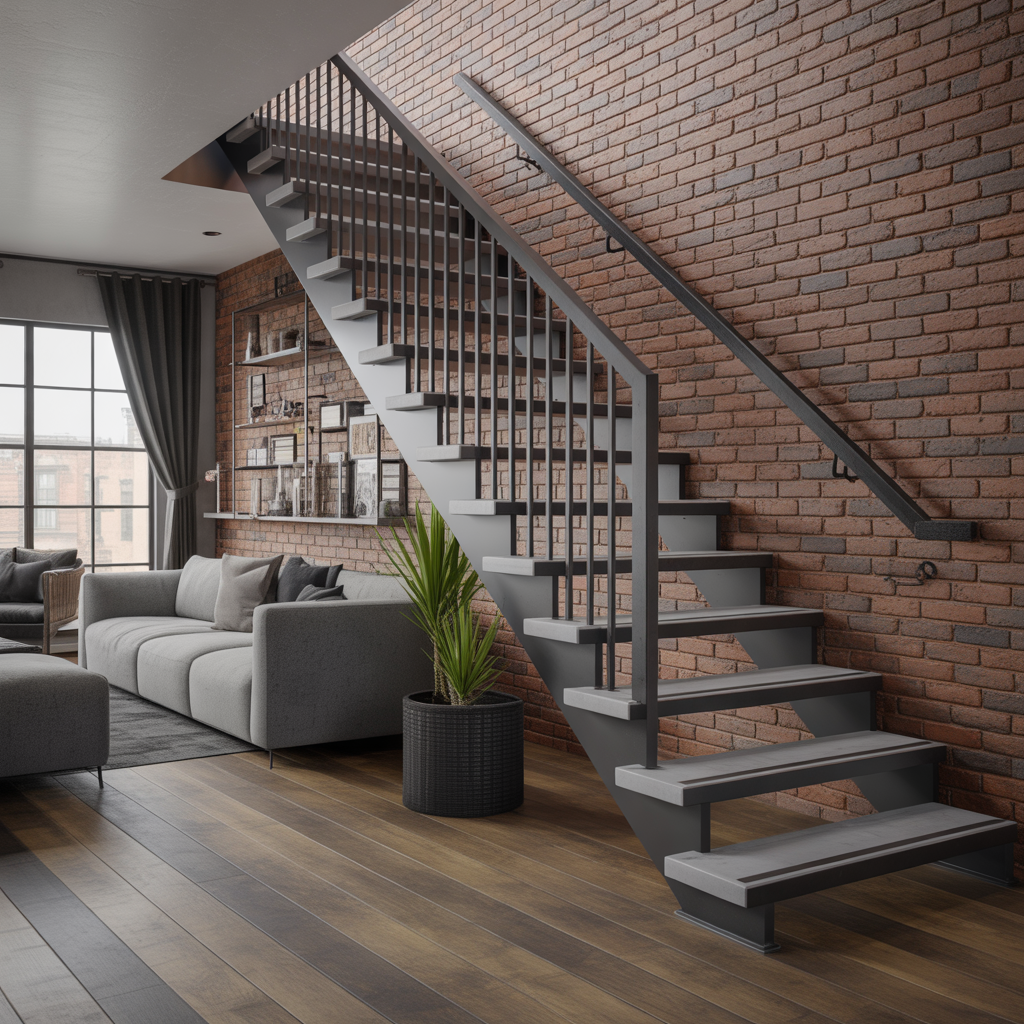
Industrial interiors often combine raw materials such as steel, iron, and exposed brick. A floating staircase designed with heavy metal treads, combined with black railings and visible bolts, fits right into this aesthetic.
Adding a matte black finish emphasizes the industrial mood, while wide treads provide comfort and safety. This design is popular in loft-style apartments and renovated warehouses where rugged textures dominate.
Spiral Floating Staircase
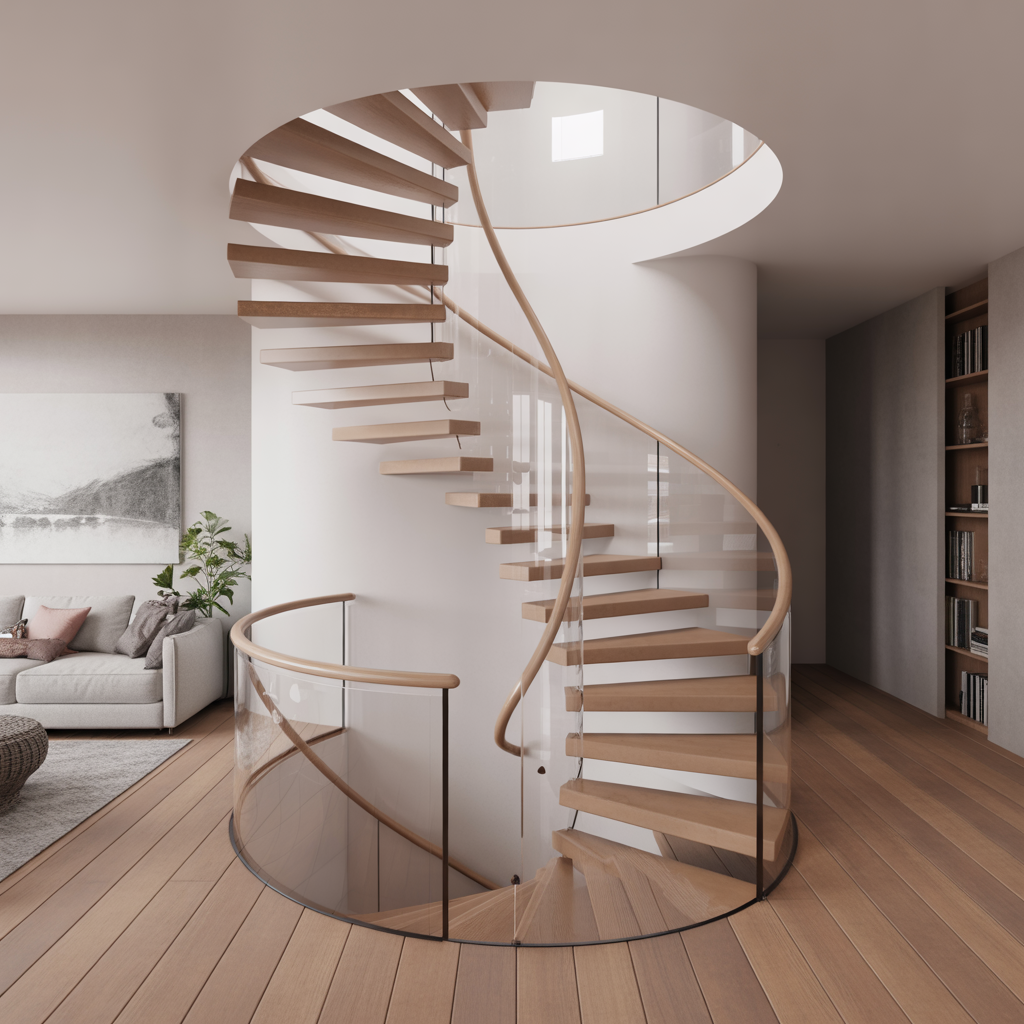
Traditional spiral staircases take up less space, and when designed with floating elements, they become both practical and visually stunning. Each tread appears to hover around a central support column, giving the illusion of effortless suspension.
Spiral floating staircases are ideal for compact homes, mezzanine levels, or small studios where space is limited but style is non-negotiable. Glass or steel handrails enhance the spiral’s elegance, making the design feel both playful and futuristic.
Concrete Floating Staircase with Modern Edge
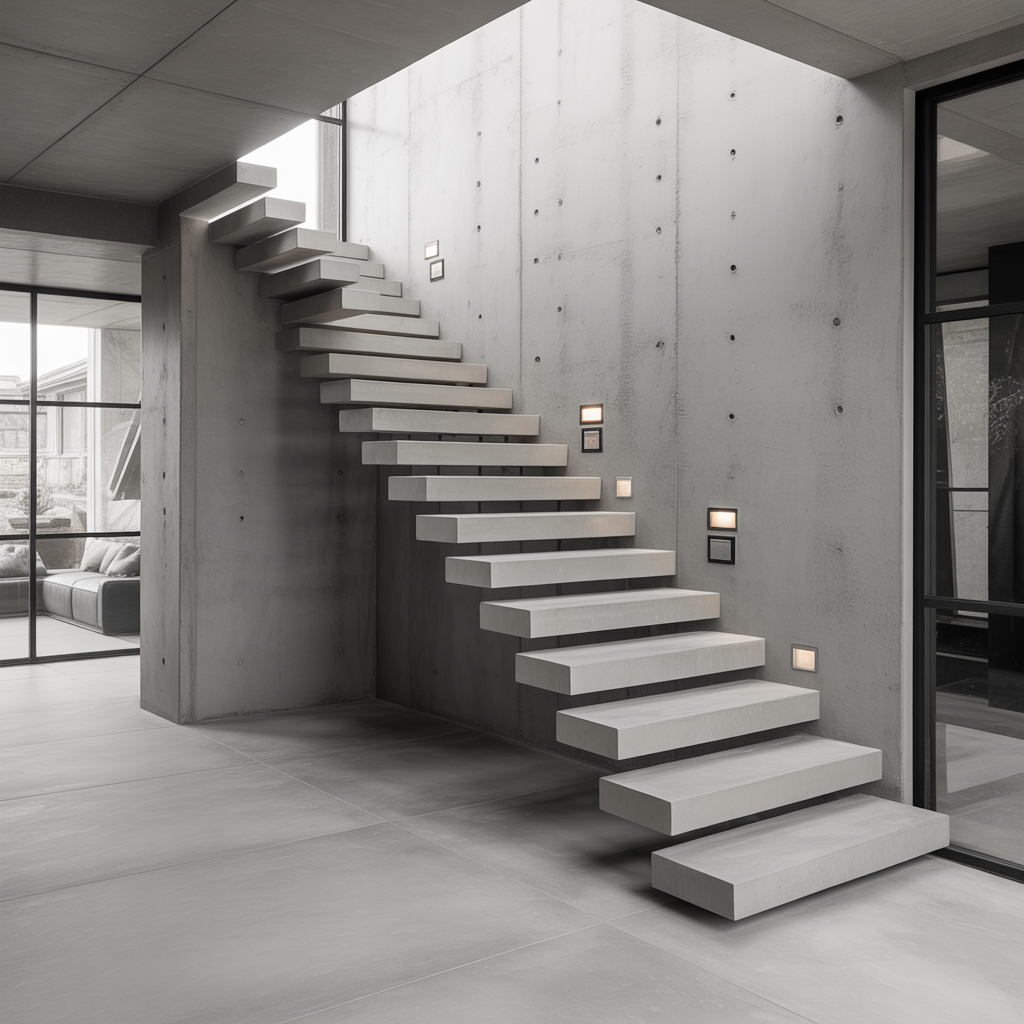
Concrete may seem heavy, but it can be crafted into slim, refined treads that feel light and sculptural when installed as a floating design. The natural texture of concrete adds raw character, perfect for modern brutalist homes.
Pairing concrete steps with recessed LED lighting or steel supports creates a unique mix of toughness and sophistication. This approach is often seen in modern architecture where clean lines and bold materials dominate.
Double-Sided Floating Staircase

Instead of having your staircase hug a single wall, a double-sided floating design allows treads to extend from both sides, making the structure appear suspended midair.
This works especially well in wide entryways or large living rooms where the staircase becomes an art installation at the center of the home. Glass balustrades or open railing systems keep the design safe without disrupting the floating illusion.
Open Riser Wooden Staircase
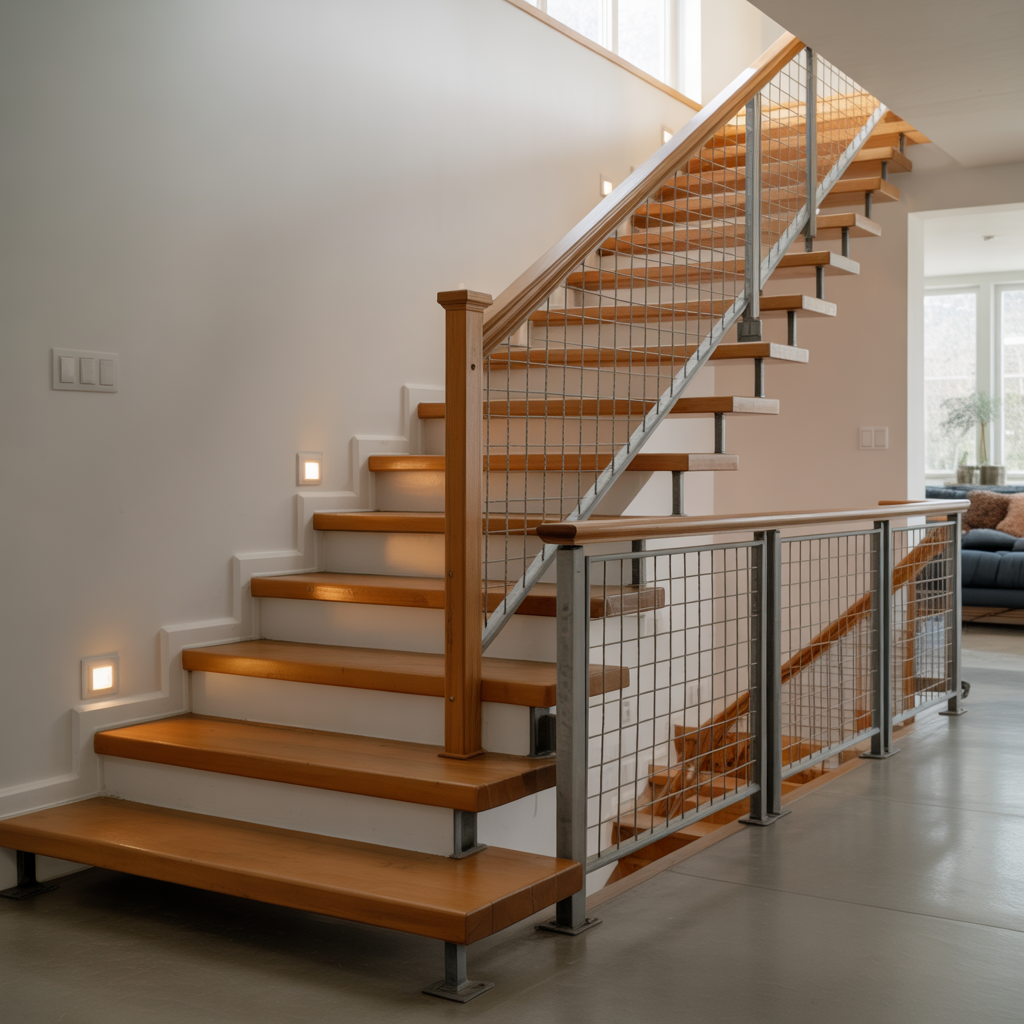
An open-riser design keeps the area below visible, letting light pass through freely. When paired with wooden steps and metal brackets, this creates a warm yet airy staircase.
An open-riser floating staircase is perfect for homes that want a cozy, natural look without sacrificing modernity. Rugs or textured carpets beneath the stairs can enhance the inviting ambiance.
Glass Treads for a Futuristic Floating Staircase
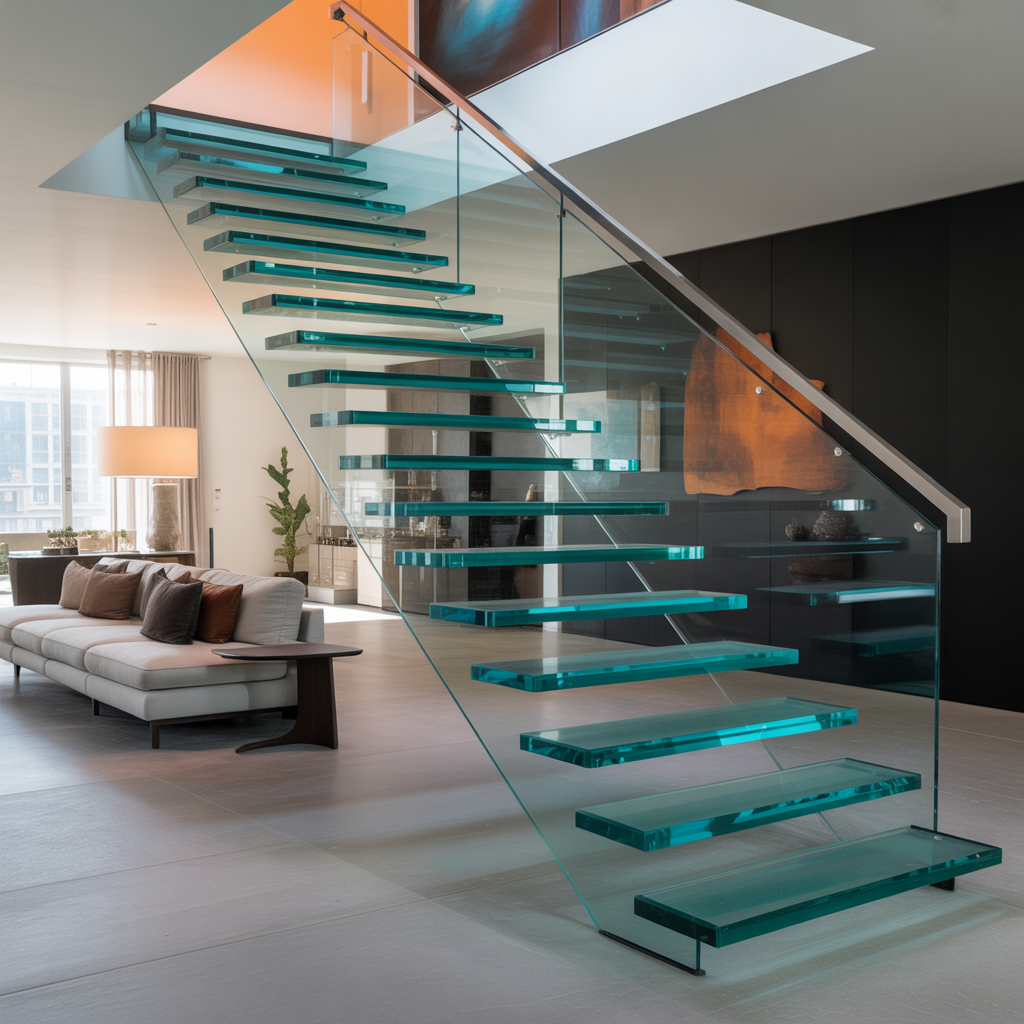
For the ultimate showpiece, glass treads are an option. Made with layered, tempered safety glass, these treads provide strength while giving the illusion of complete transparency.
Though not suited for everyone due to maintenance and slipperiness, glass steps create an ultra-modern look that’s unmatched in uniqueness. Homes with contemporary interiors or luxury penthouses often use this design to wow visitors.
Sculptural Zigzag Floating Staircase
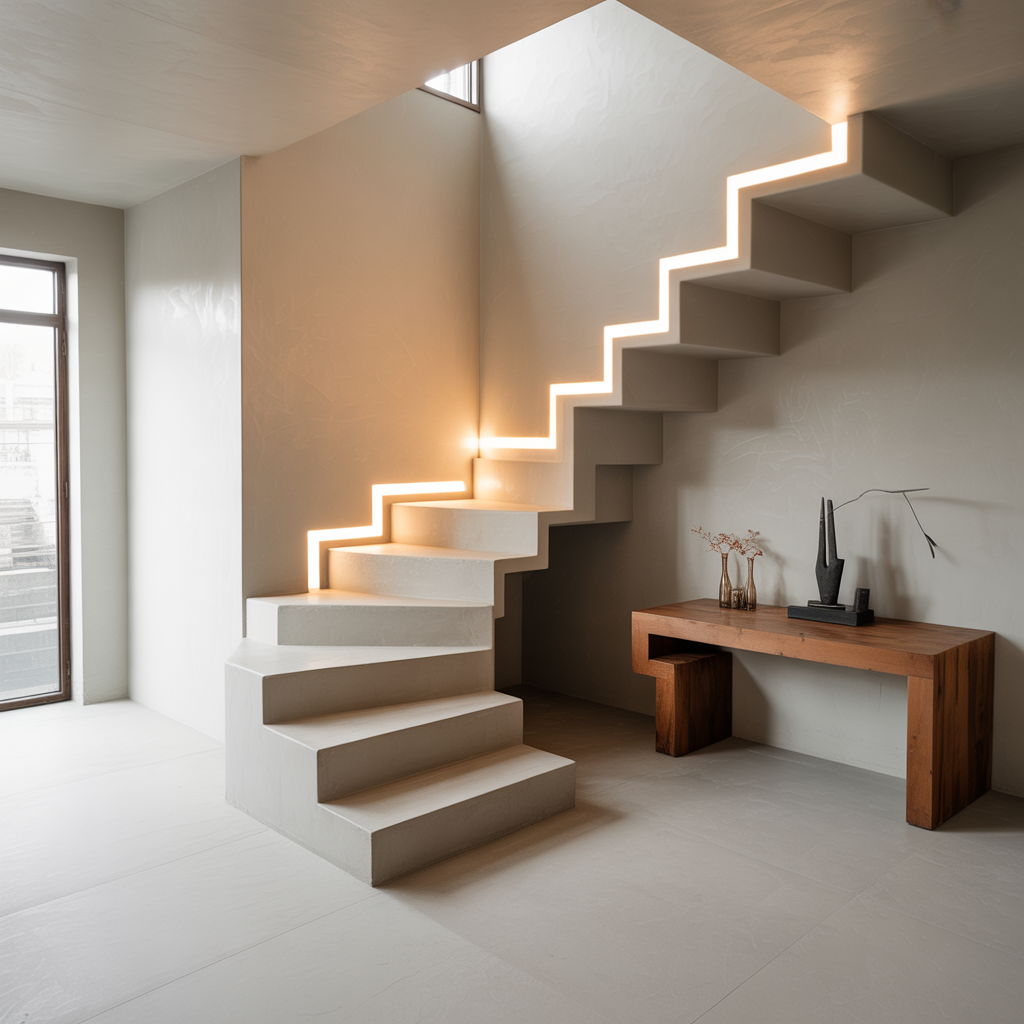
A zigzag-style staircase creates an angular, geometric appearance. When designed with floating elements, the sharp lines become a modern piece of art within the home.
This works particularly well in interiors that lean toward modern minimalism or avant-garde design. Pairing the zigzag steps with backlighting can highlight the unique shape, making the staircase look like a glowing sculpture.
Floating Staircase with Built-In Storage
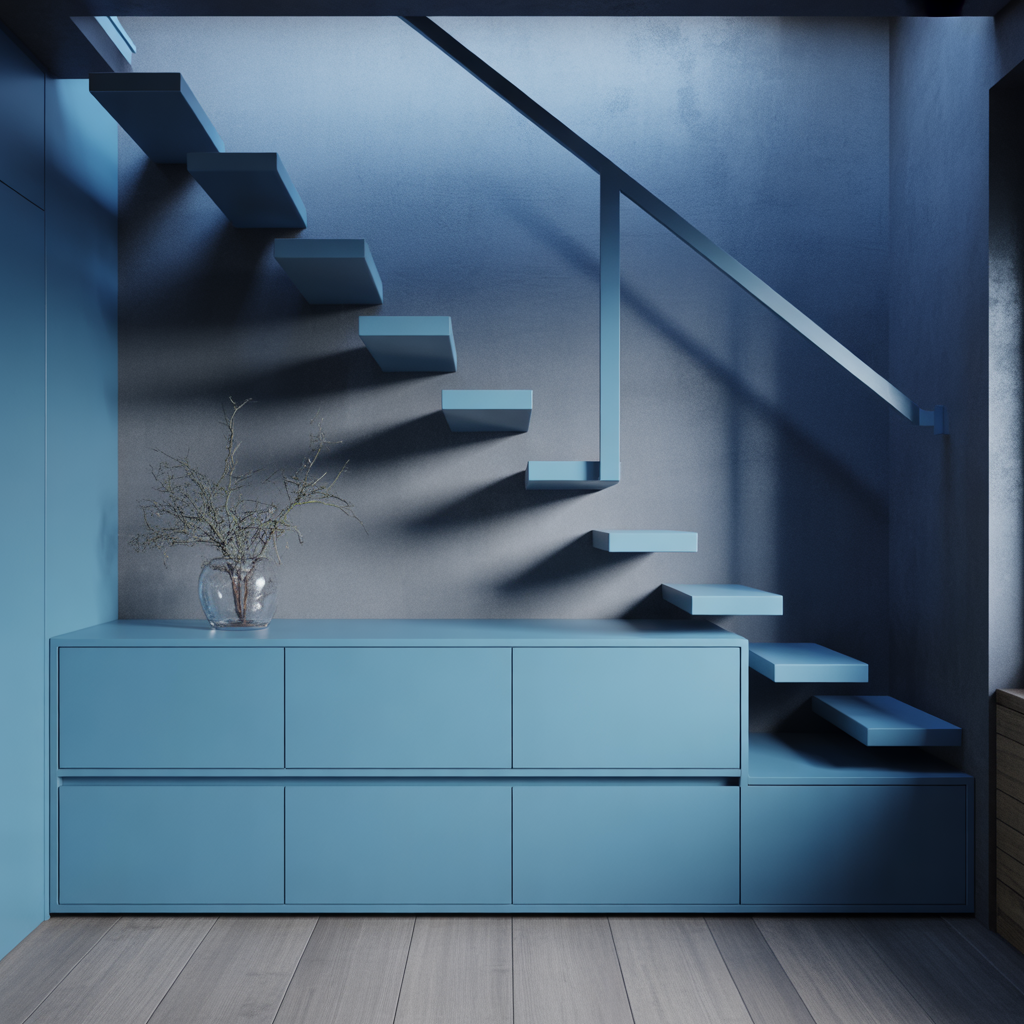
Maximizing functionality is always a smart choice, especially in smaller homes. Incorporating storage beneath or within the staircase makes excellent use of space.
Hidden drawers or cabinets beneath floating treads keep the design minimal while adding practicality. This idea works well in city apartments where every inch of space matters.
Rustic Floating Staircase with Reclaimed Wood
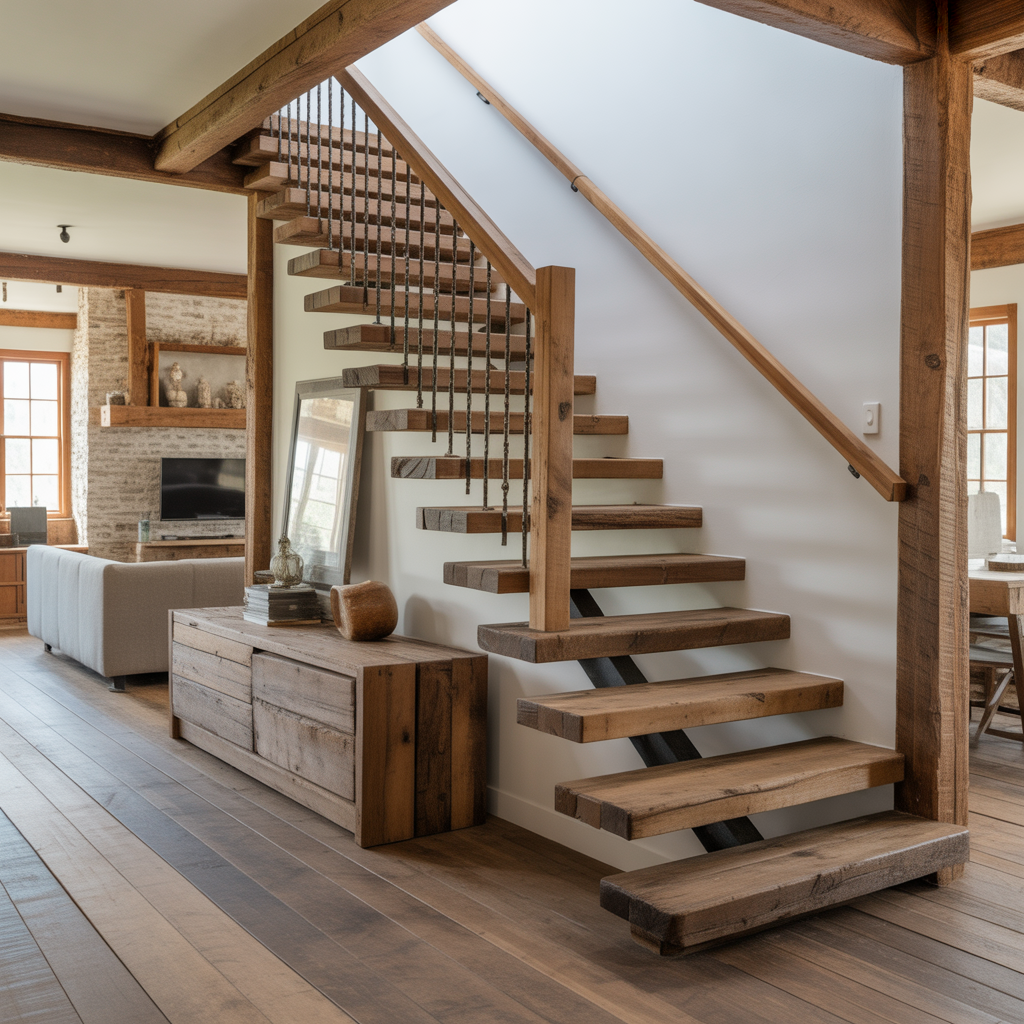
Rustic design lovers can embrace floating stairs made of reclaimed wood. The character of old beams, complete with imperfections and unique grains, adds warmth and storytelling to the space.
When balanced with black iron railings or natural stone walls, the staircase blends rustic charm with modern floating lightness. This style works beautifully in countryside homes, cabins, or farmhouse-inspired interiors.
Floating Staircase with Vertical Metal Rods
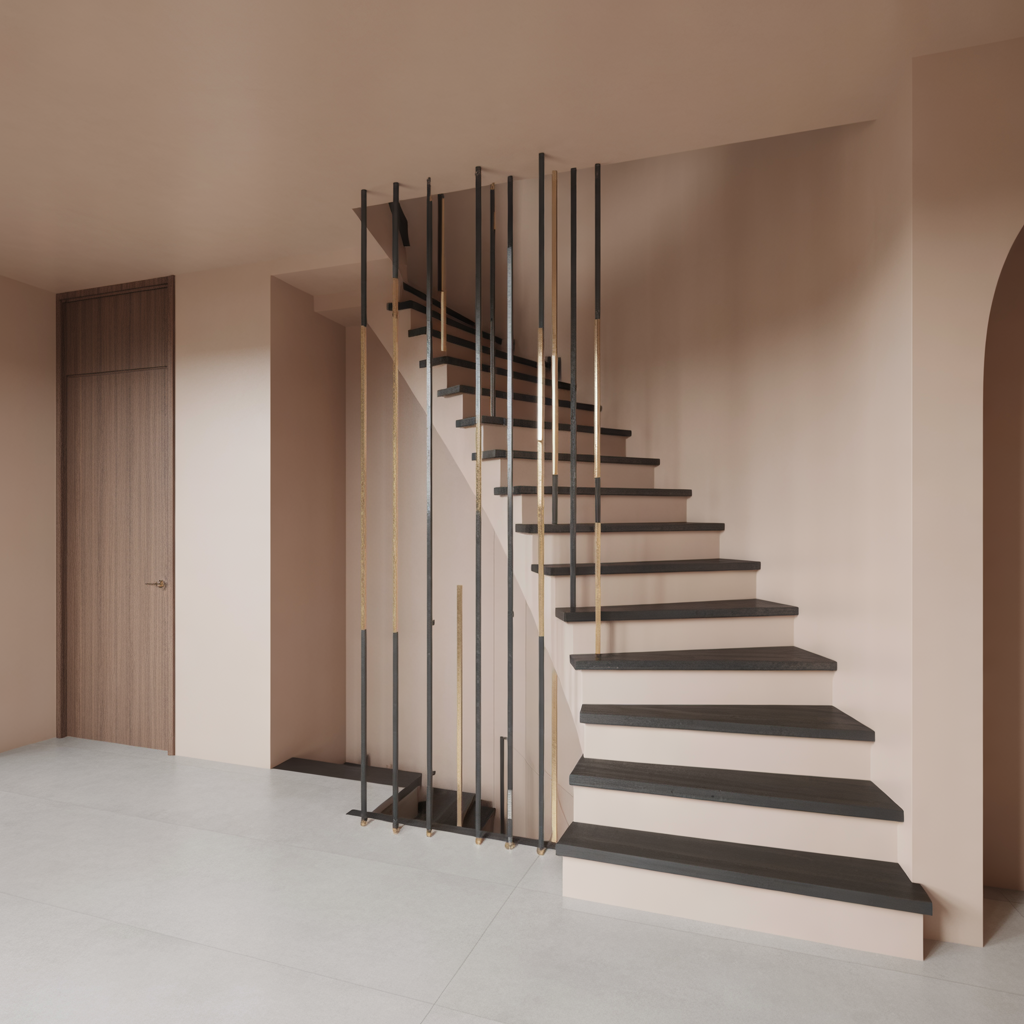
Safety doesn’t need to compromise style. Instead of using traditional railings, slim vertical metal rods can act as a barrier while maintaining openness.
These rods stretch from floor to ceiling, doubling as a sculptural feature that enhances the floating effect. The design can be customized in matte black, brass, or even gold finishes to suit the home’s theme.
Split-Level Floating Staircase

Homes with multiple levels or unique floor plans can benefit from a split-level floating design. Instead of one continuous flight, the staircase is broken into two or more sections with landings in between.
This not only improves functionality but also allows for different design treatments at each level. For example, lower stairs could be wood while upper treads are glass, creating an eclectic yet cohesive effect.
Floating Staircase with Greenery Integration
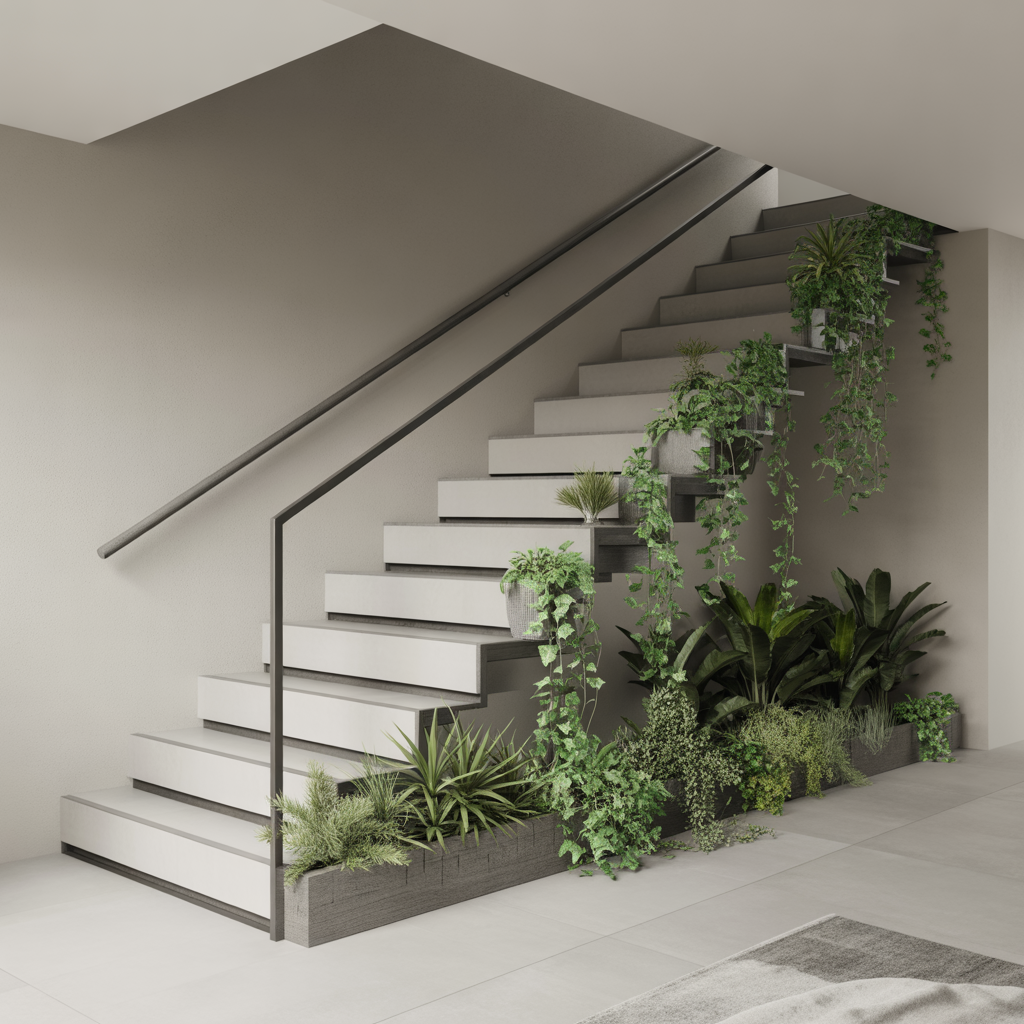
A growing trend in modern interiors is integrating plants directly into architectural features. Floating staircases can be paired with planters beneath or alongside steps, creating a fresh, biophilic design.
Trailing plants such as ivy or pothos look beautiful cascading near the steps, while LED grow lights can ensure greenery thrives indoors. This creates a natural, calming effect, turning the staircase into a mini indoor garden.
Black Floating Staircase for Bold Contrast
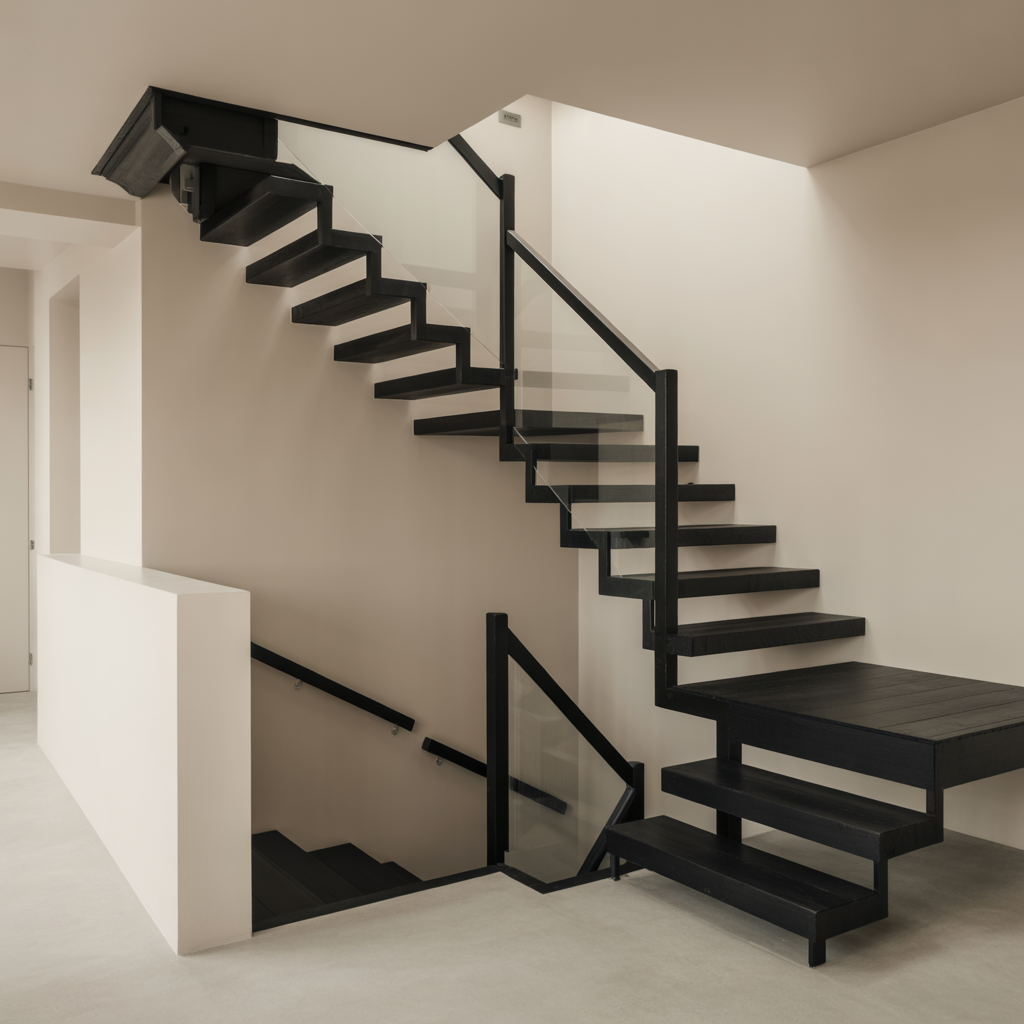
A black staircase instantly makes a statement. When designed with floating treads, it balances boldness with elegance. Matte black wood or steel steps paired with white walls create striking visual contrast.
This monochromatic look fits perfectly in minimalist, industrial, or high-contrast modern interiors. Adding glass railings ensures the design doesn’t feel too heavy.
Artistic Floating Staircase with Custom Shapes
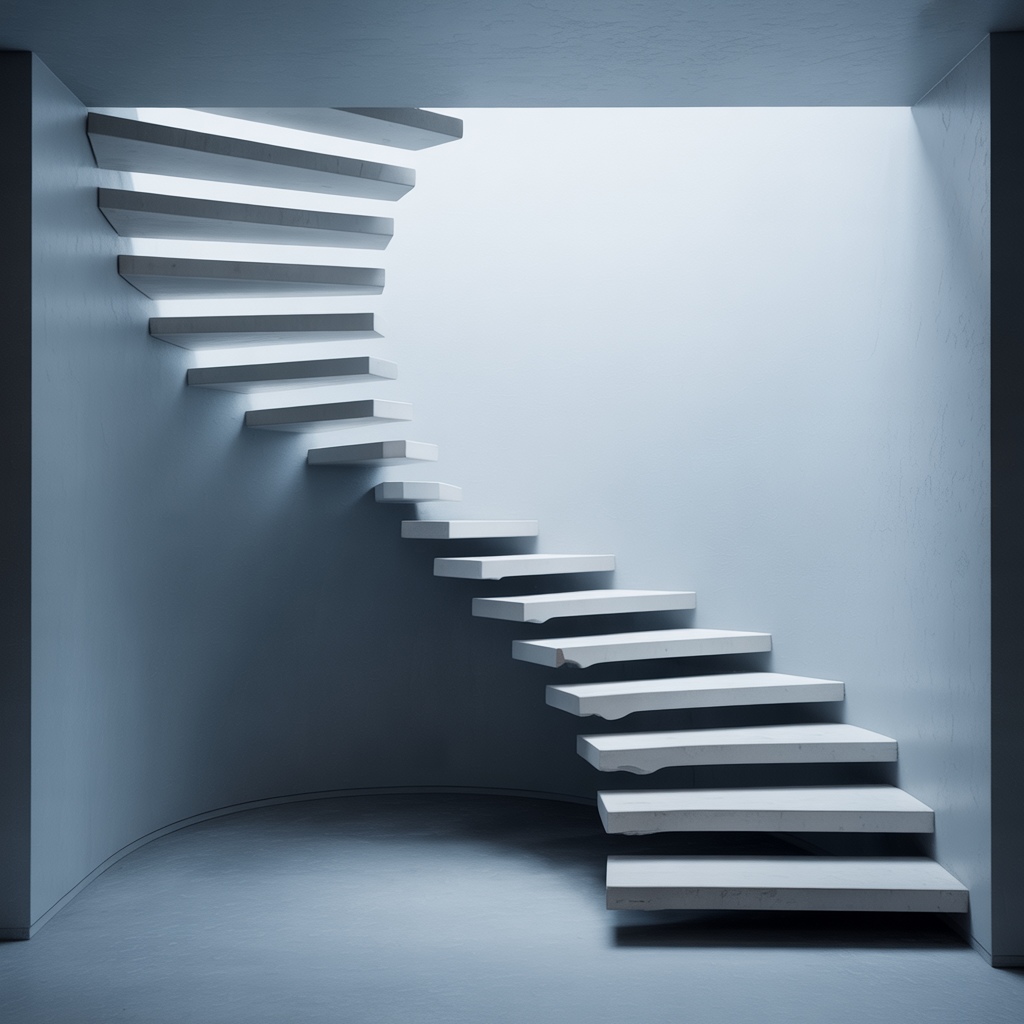
For homeowners who see stairs as an artistic expression, custom-shaped floating treads are an option. From wave-like steps to asymmetrical forms, designers can create one-of-a-kind structures that function both as furniture and sculpture.
Floating Staircase with Vanity Nook
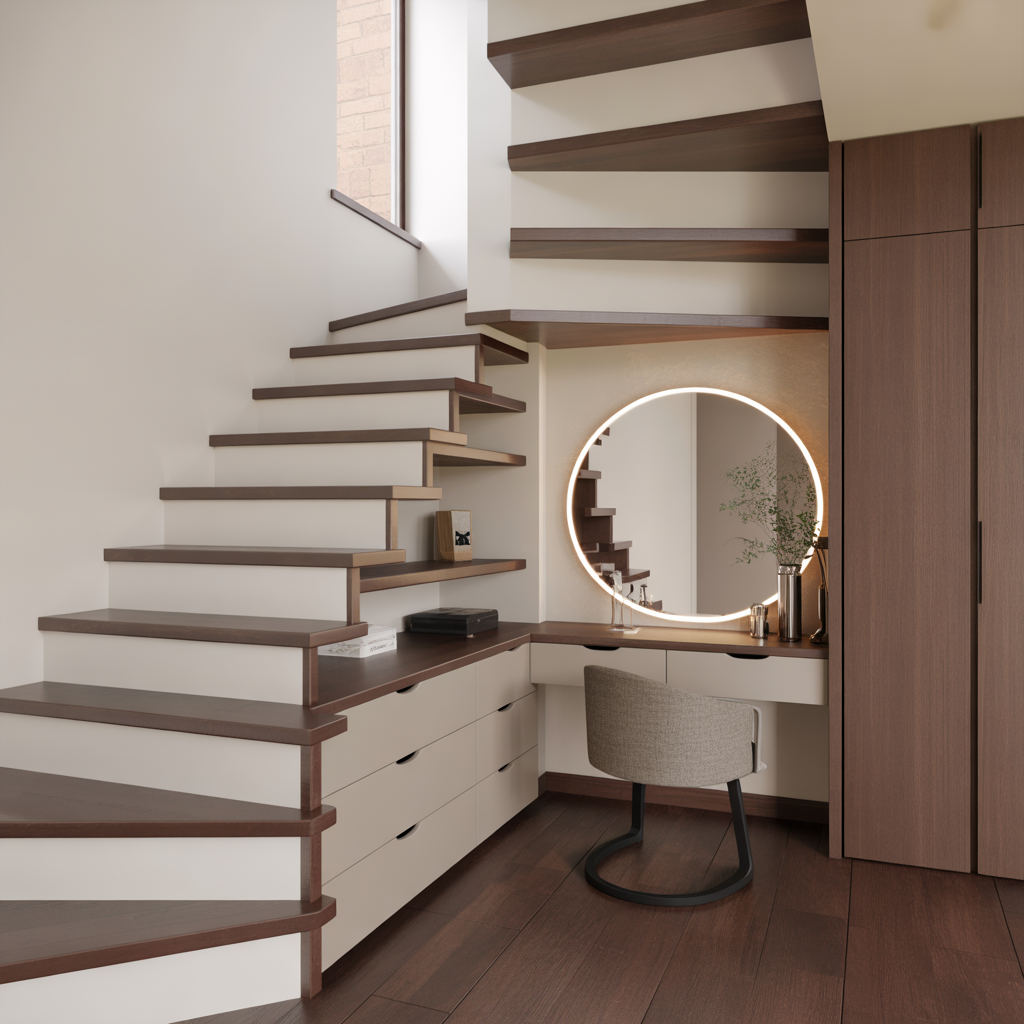
For homes where space efficiency is key, the area under the floating staircase can house a chic vanity setup. A built-in desk with drawers, a stylish mirror, and accent lighting transforms what’s often wasted space into a personal grooming or makeup corner. The floating treads above give the nook an airy, modern feel, while the vanity adds functionality without sacrificing design elegance.
FAQs About Floating Staircases
Q1: Are floating staircases safe?
Yes, when properly engineered and installed, they are completely safe. Hidden supports and structural reinforcements ensure stability. Adding railings or glass panels increases safety without sacrificing style.
Q2: How much does a floating staircase cost?
Prices vary depending on materials and complexity. A simple wooden floating staircase may start at $5,000, while glass, steel, or custom sculptural designs can exceed $30,000.
Q3: Do floating staircases require more maintenance?
Maintenance depends on the material. Wood may require refinishing, glass needs regular cleaning, and metal should be checked for scratches or rust. Overall, upkeep is manageable if cared for consistently.
Q4: Can floating staircases be installed in small homes?
Absolutely. Floating designs actually save visual space by keeping sightlines open, making smaller homes feel larger. Spiral and open-riser styles are especially suited for compact spaces.
Q5: Do floating staircases increase property value?
Yes. Because of their modern, luxurious appeal, homes with floating staircases often stand out in the market. Buyers see them as premium features, which can increase resale value.
Final Thoughts on Floating Staircase Designs
A floating staircase is more than a means of moving between floors—it’s an architectural statement that elevates the entire interior. From rustic wood to futuristic glass, the range of styles allows homeowners to match their personality and lifestyle while keeping functionality intact.
Whether you prefer a minimalist design with hidden supports, a bold industrial look, or a staircase integrated with greenery, there is a floating staircase to suit every home. With proper engineering, they remain safe, practical, and timeless.
Ultimately, investing in a floating staircase ensures your space feels not just connected but also elevated in both style and sophistication.