Garden Edging DIY: 15 Easy Ideas to Upgrade Your Yard
Garden edging DIY projects are a simple way to give your outdoor space a neat and polished look. With the right materials, you can create defined borders that separate lawns, flower beds, or pathways, adding both beauty and functionality. Options like bricks, stones, wood, or even repurposed materials allow you to design edging that matches your garden’s style while keeping soil, mulch, and plants neatly in place.
Doing it yourself not only saves money but also gives you the freedom to customize the edging according to your space. Whether you prefer a clean, modern look or a rustic, natural vibe, the process is straightforward and rewarding. With a bit of planning and creativity, you can transform the overall appearance of your garden, making it look organized and well-maintained year-round.
Brick Garden Edging DIY
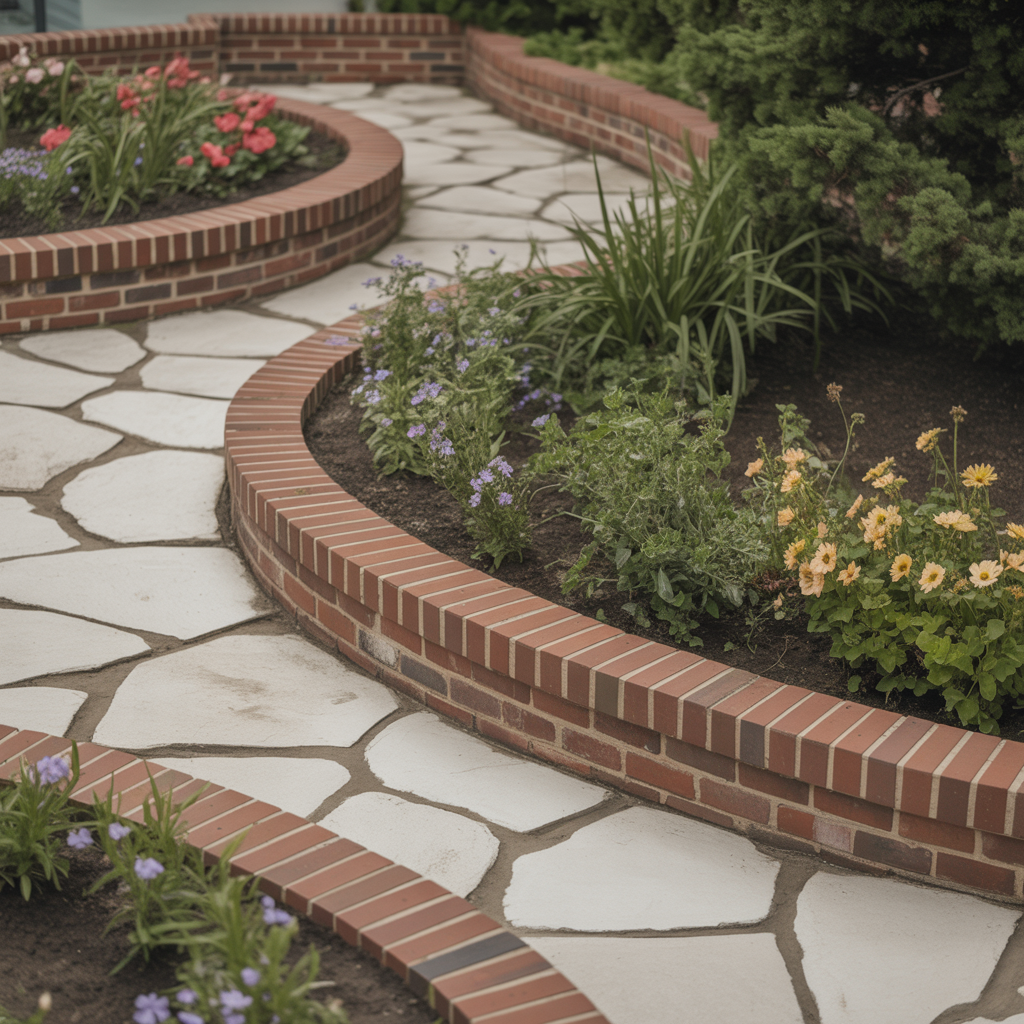
Brick is one of the most classic and affordable options for Garden Edging DIY. It creates a timeless and organized look around flower beds, pathways, or vegetable patches. You can lay bricks flat for a traditional style or stand them upright for a raised edge. For a decorative twist, try setting them at an angle to form a zigzag pattern. Bricks are sturdy, weather-resistant, and easy to install with just a shovel, mallet, and some sand for leveling.
Stone or Rock Garden Edging
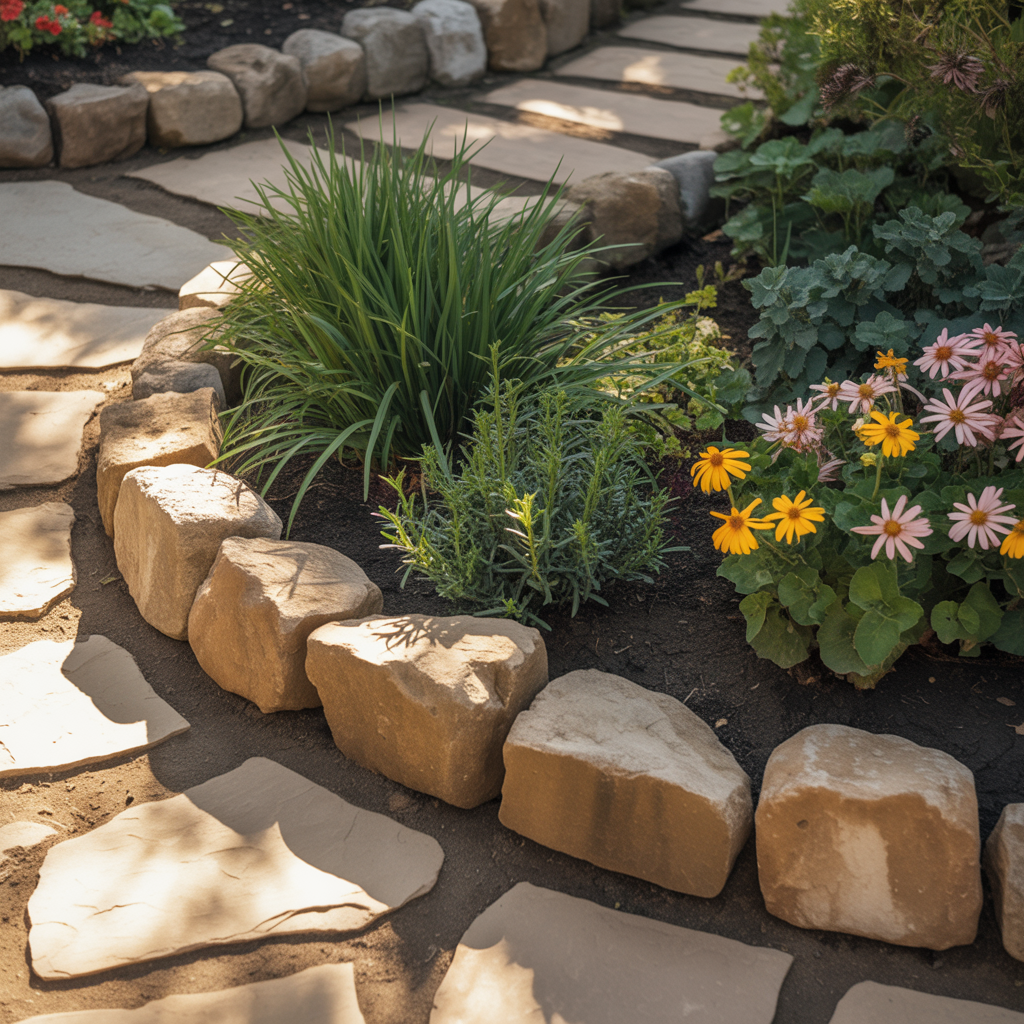
For a rustic, natural vibe, stone or rock edging is perfect. Using irregular stones can create a countryside charm, while neatly cut stones provide a more polished appearance. Stones are incredibly durable and low maintenance, making them ideal for long-term landscaping. To ensure stability, dig a shallow trench and place the rocks snugly together. You can even combine different stone sizes for a textured, layered effect.
Wooden Log Garden Edging
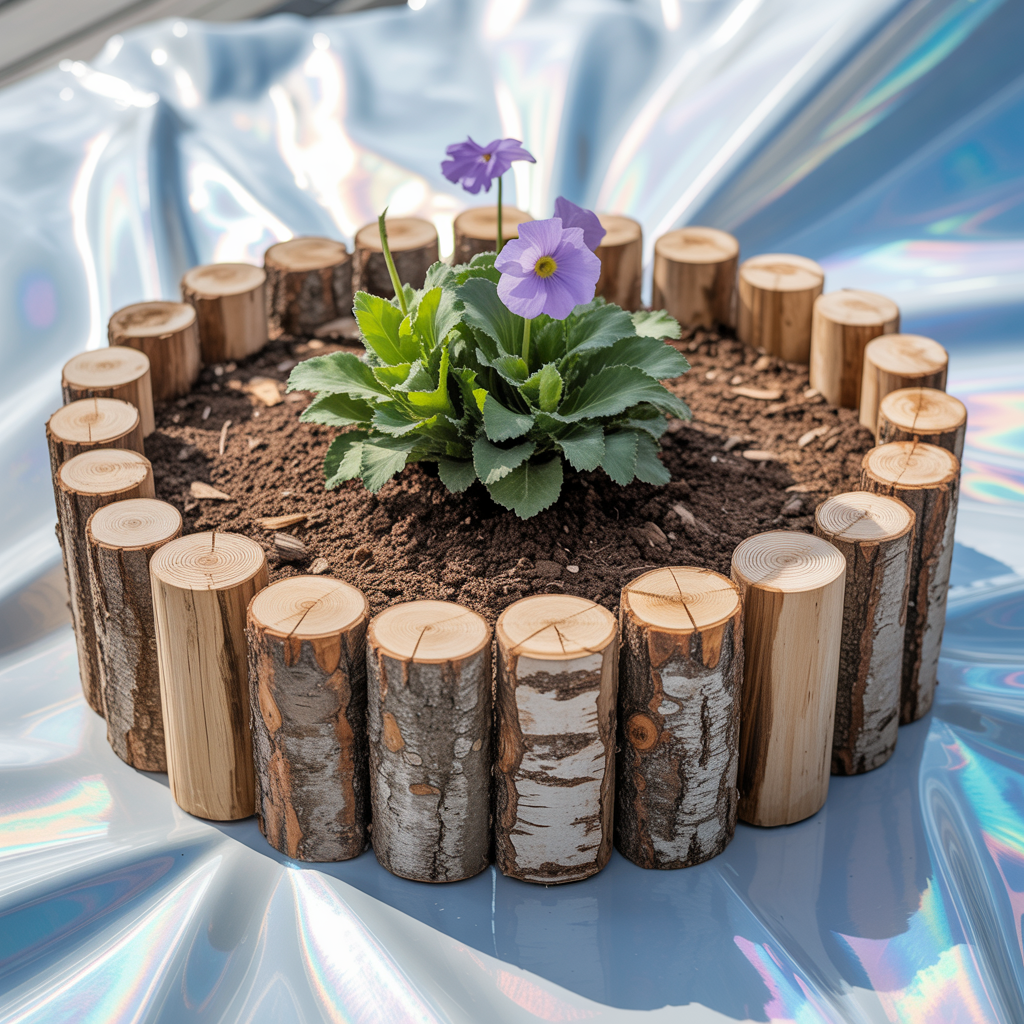
Wooden logs or planks are a warm, eco-friendly choice for edging. Whether you use whole logs, split timbers, or even repurposed pallets, wood blends beautifully with plants and flowers. To make wooden edging last longer, treat the wood with weatherproof sealants or use naturally rot-resistant types like cedar or redwood. Wooden edging works especially well in cottage-style gardens or vegetable patches.
Metal Garden Edging
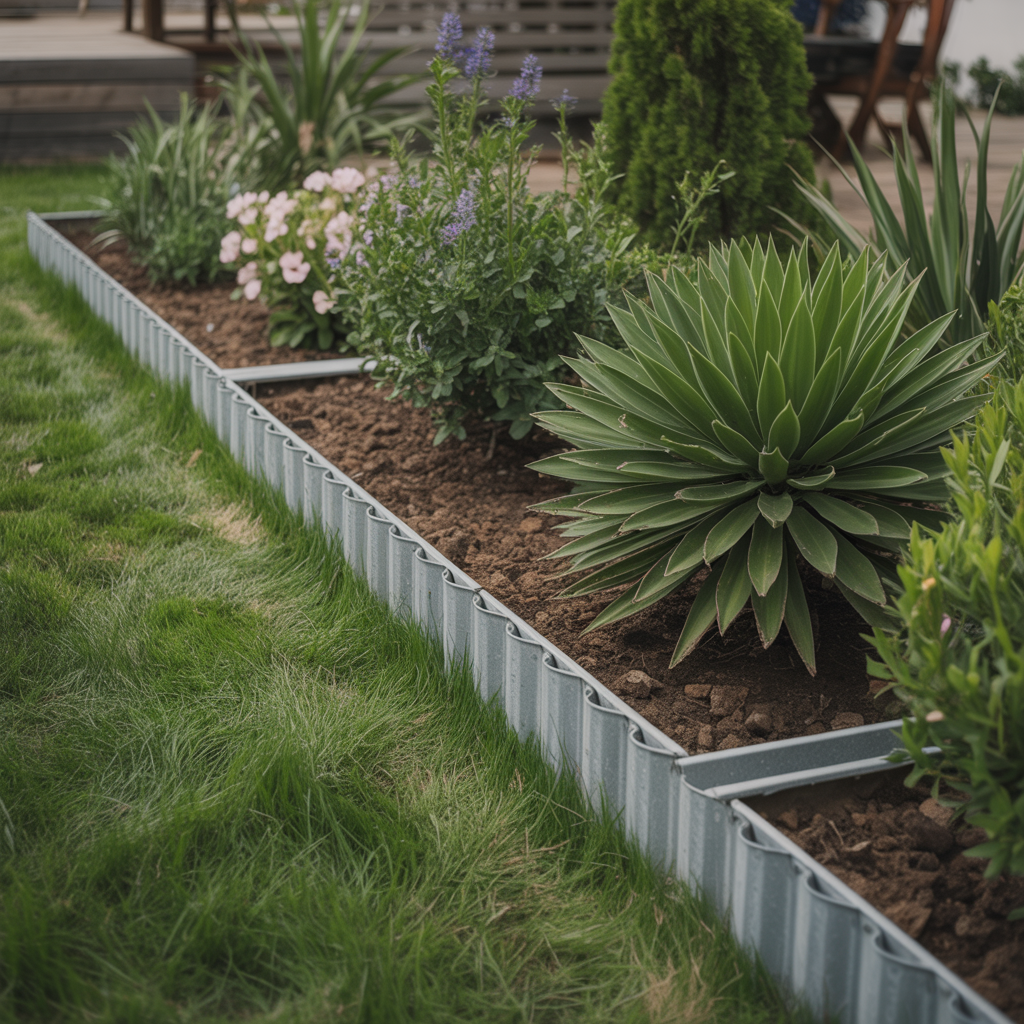
Metal edging, often made of steel or aluminum, creates a modern and sleek boundary for garden beds. It’s flexible enough to form both straight and curved lines, giving you more design freedom. Metal edging is long-lasting and resistant to harsh weather conditions. It also provides a very clean and minimalistic appearance, perfect for contemporary landscapes. While the upfront cost may be higher, the durability makes it a worthwhile investment.
Concrete Garden Edging
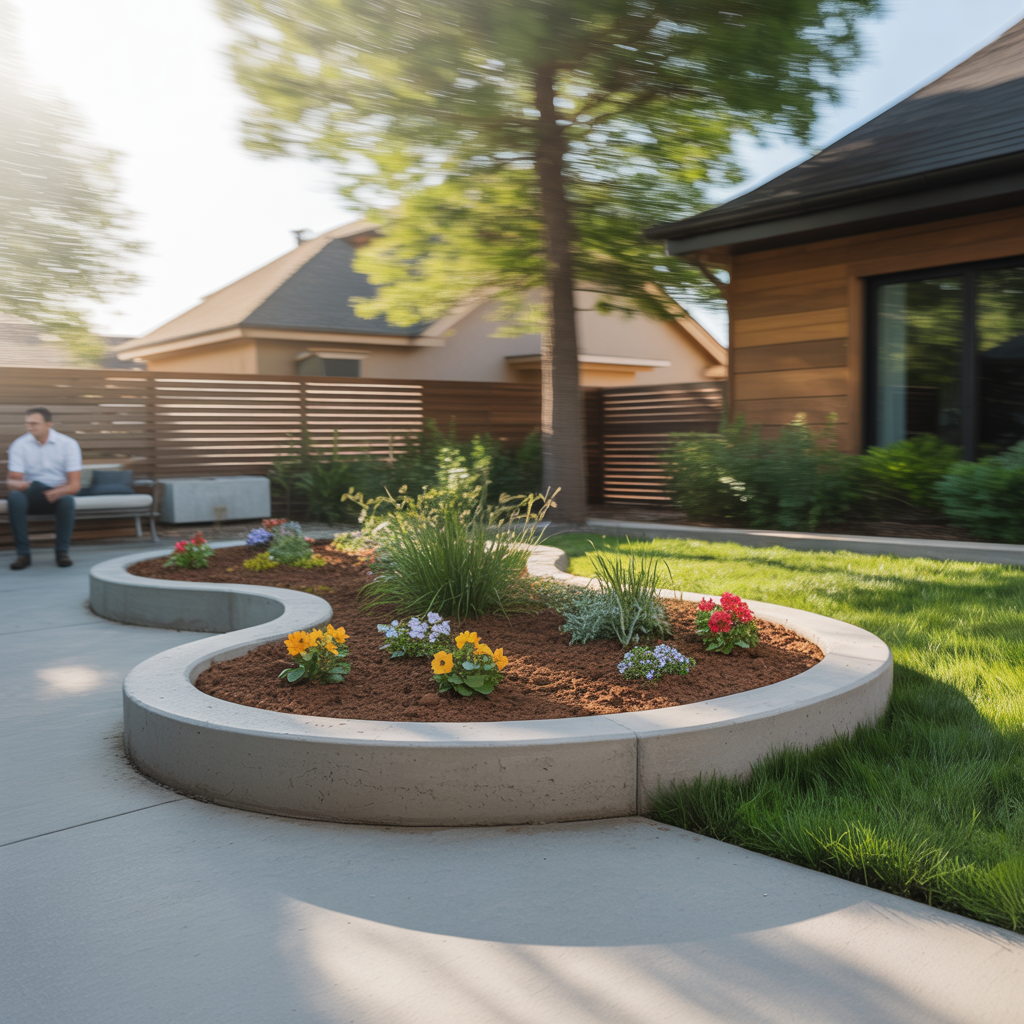
Concrete is one of the most versatile DIY edging materials. You can pour it into molds to create custom shapes, patterns, or decorative blocks. Concrete edging is extremely durable and can be painted, stained, or textured to complement your garden’s style. It’s also cost-effective if you already have leftover bags of concrete from other projects. Whether you prefer straight borders or decorative curvy lines, concrete adapts well to any design.
Gravel Strip Edging
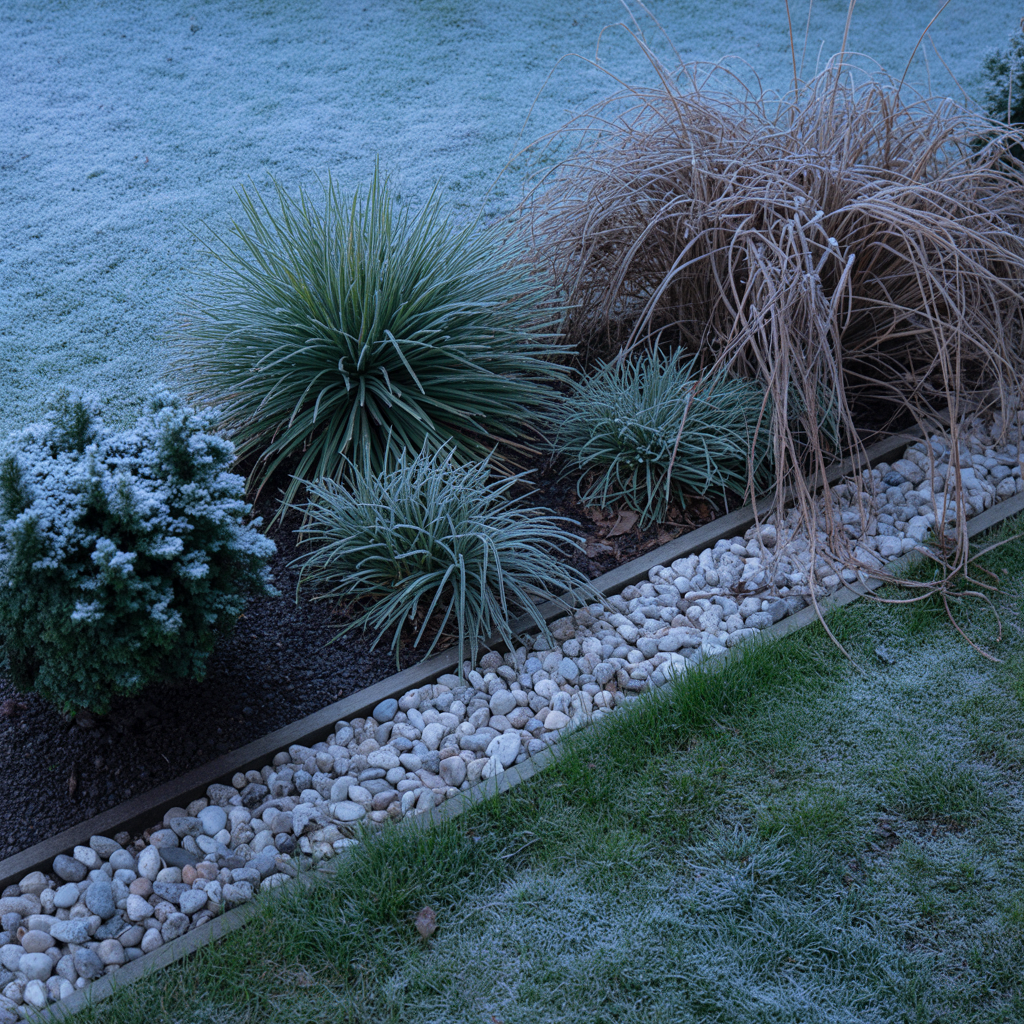
Gravel edging is a simple yet effective way to define garden borders. By digging a shallow trench and filling it with gravel, you create a functional and attractive edge that also improves drainage. Gravel strips are ideal around patios, pathways, or flower beds, preventing weeds from spreading while giving your garden a neat appearance. To enhance the look, you can line the trench with bricks or metal strips.
Bottle Garden Edging
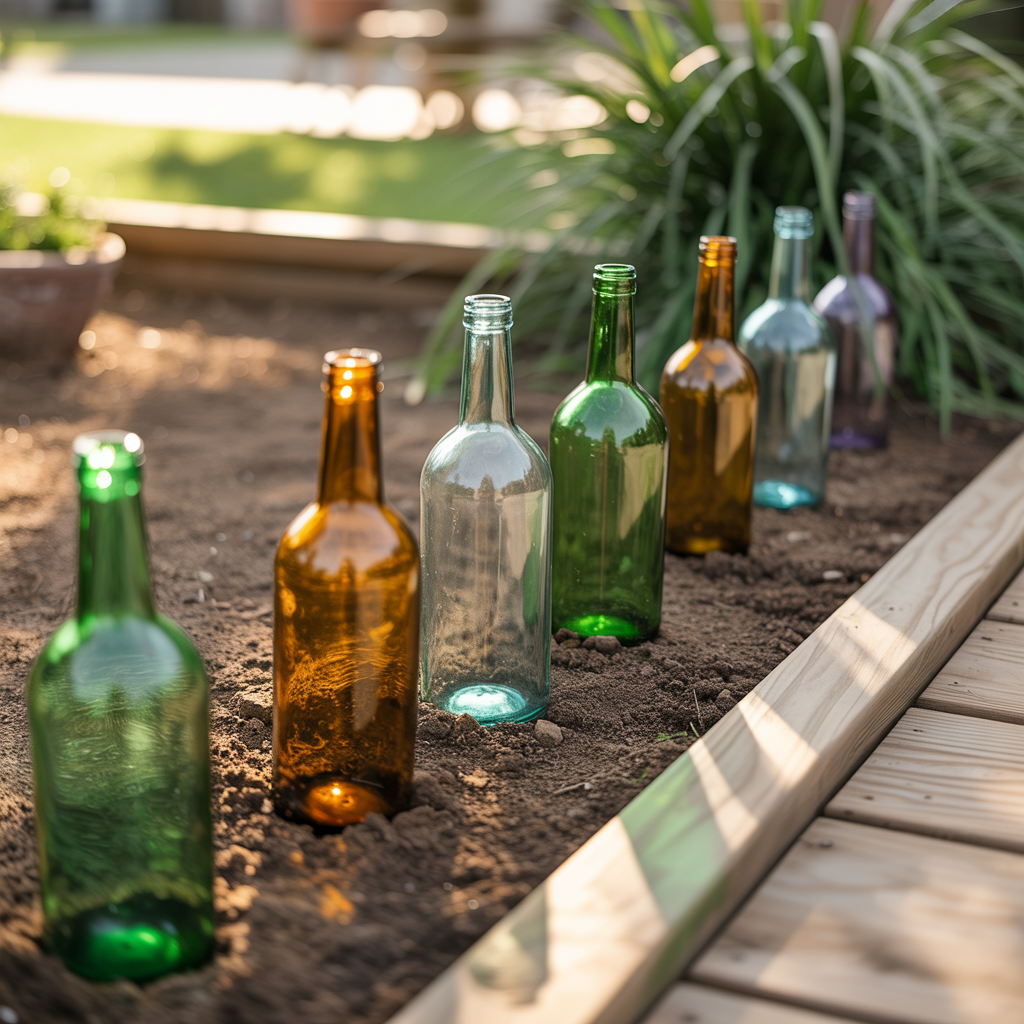
Recycling glass or plastic bottles into edging is both creative and eco-friendly. Simply dig a trench and insert bottles upside down to form a colorful and unique boundary. Glass bottles reflect sunlight beautifully, while painted plastic bottles add vibrant charm. This type of edging is cost-free if you reuse materials at home, making it a budget-friendly DIY project that also reduces waste.
Also visit :cozy lake cabins
Tile or Mosaic Edging
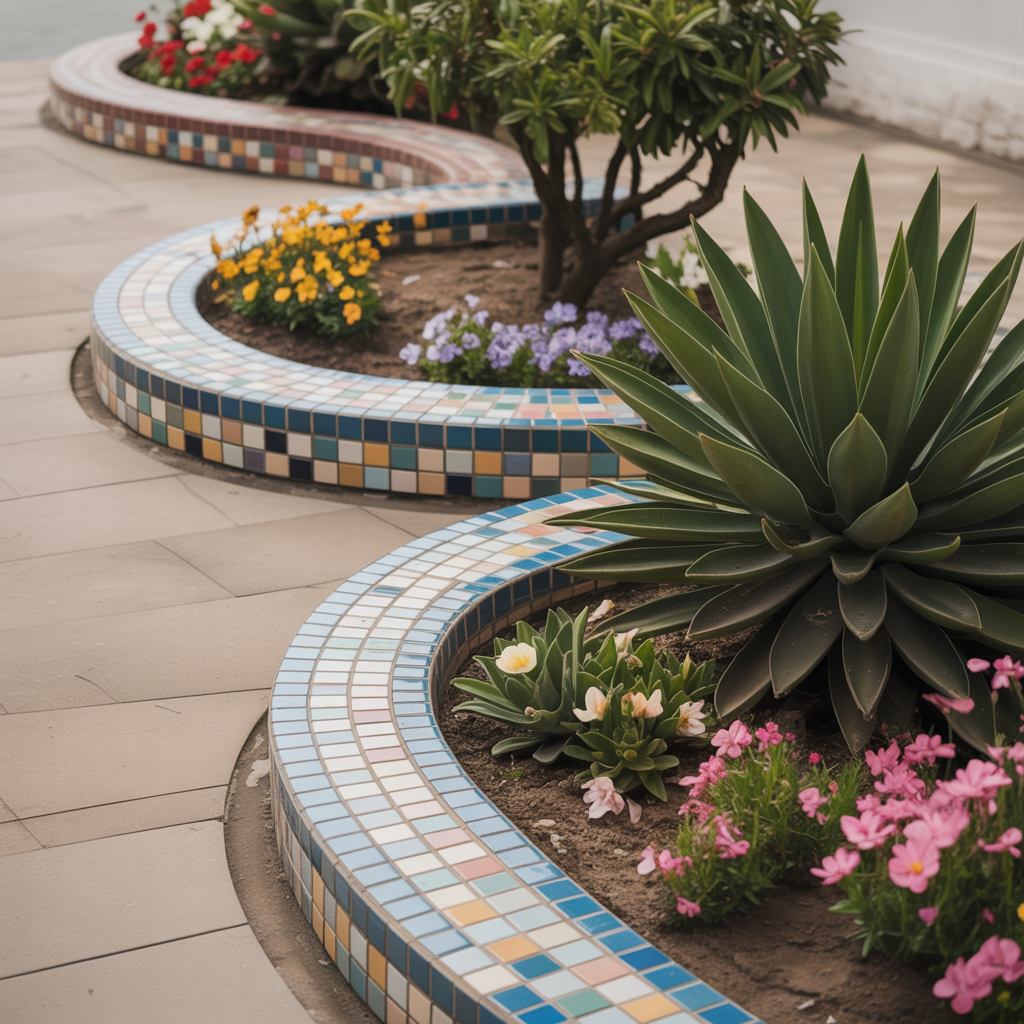
Broken tiles or ceramic pieces can be transformed into stunning mosaic garden edging diy. Arrange the tiles in patterns or mix colors for an artistic finish. This option works especially well around flower beds, where colorful designs can highlight the beauty of plants. To secure the tiles, use cement or mortar to fix them in place. It’s an excellent way to upcycle leftover construction materials into something eye-catching.
Rope or Twine Edging
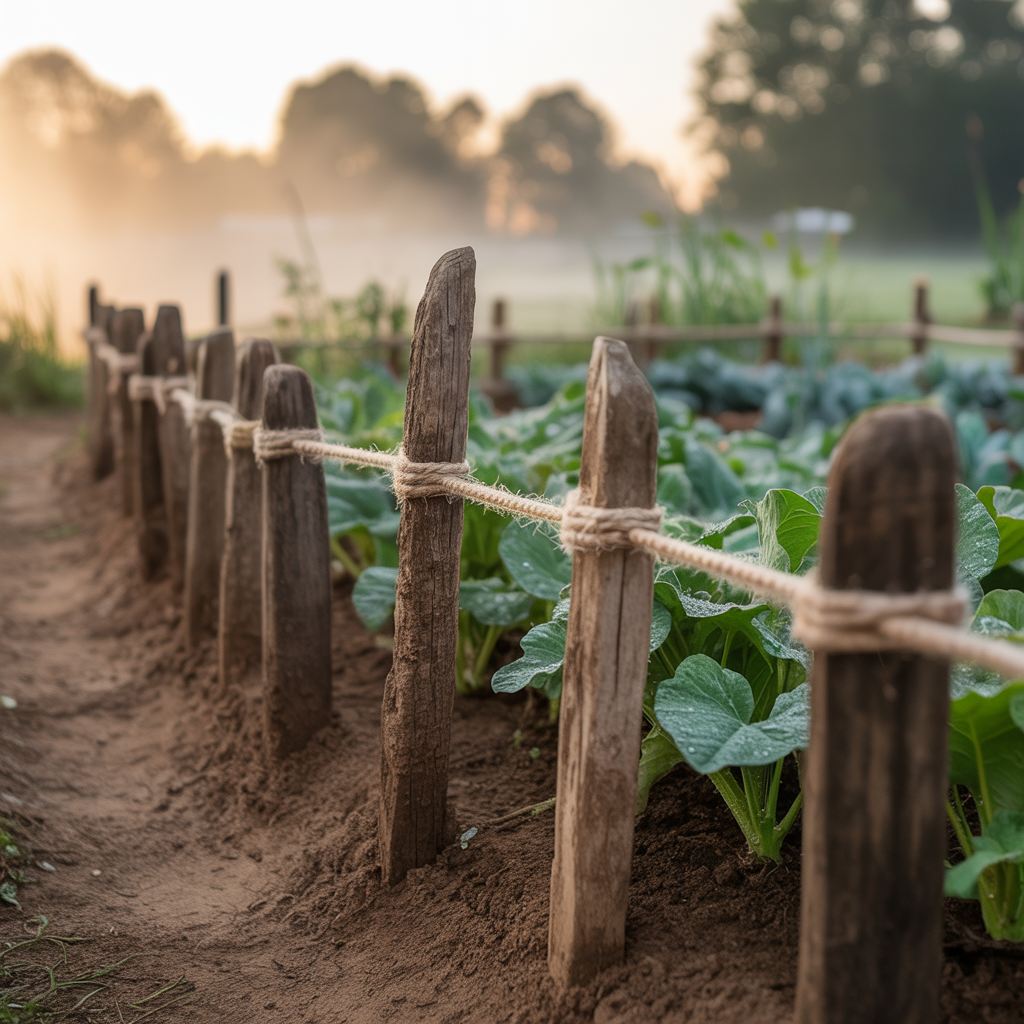
For a softer, more whimsical touch, rope or thick twine can be used as garden edging. Rope edging is easy to install and works best in small gardens or pathways. You can secure the rope with wooden stakes to maintain its shape. Although it may not last as long as stone or metal, rope edging adds a charming nautical or rustic feel to garden spaces.
Plant-Based Edging
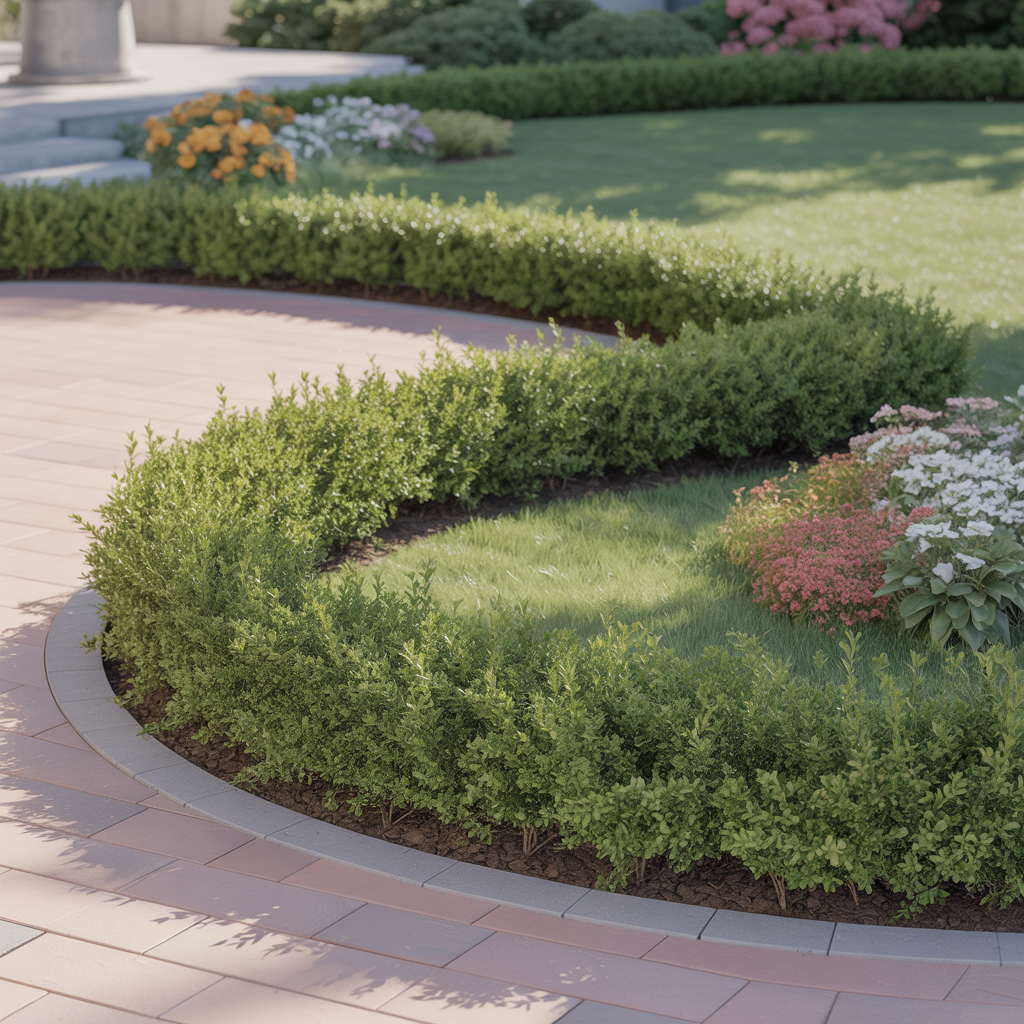
Instead of physical materials, you can use low-growing plants or shrubs to create a natural edge. Options like lavender, boxwood, or ornamental grasses work well to form living borders. This eco-friendly edging enhances biodiversity, provides seasonal interest, and softens the transition between pathways and flower beds. With regular trimming, plant edging remains neat and elegant year-round.
Cinder Block Edging
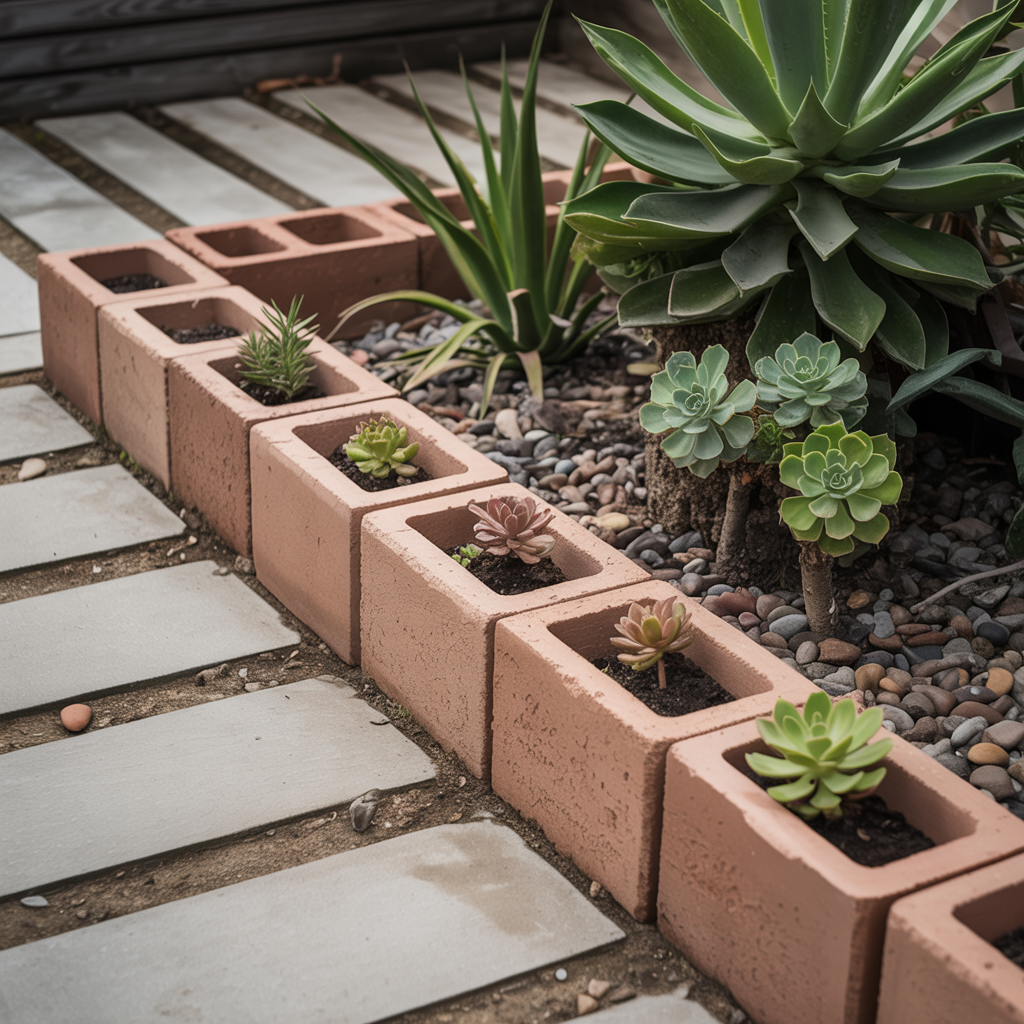
Cinder blocks are functional and budget-friendly for garden edging diy. Their hollow centers can be filled with soil to grow small flowers, herbs, or succulents, turning the border into a mini vertical garden. Cinder blocks are durable, easy to stack, and can be painted to match your outdoor décor. They work particularly well in urban or modern-style gardens.
Railroad Tie or Timber Edging
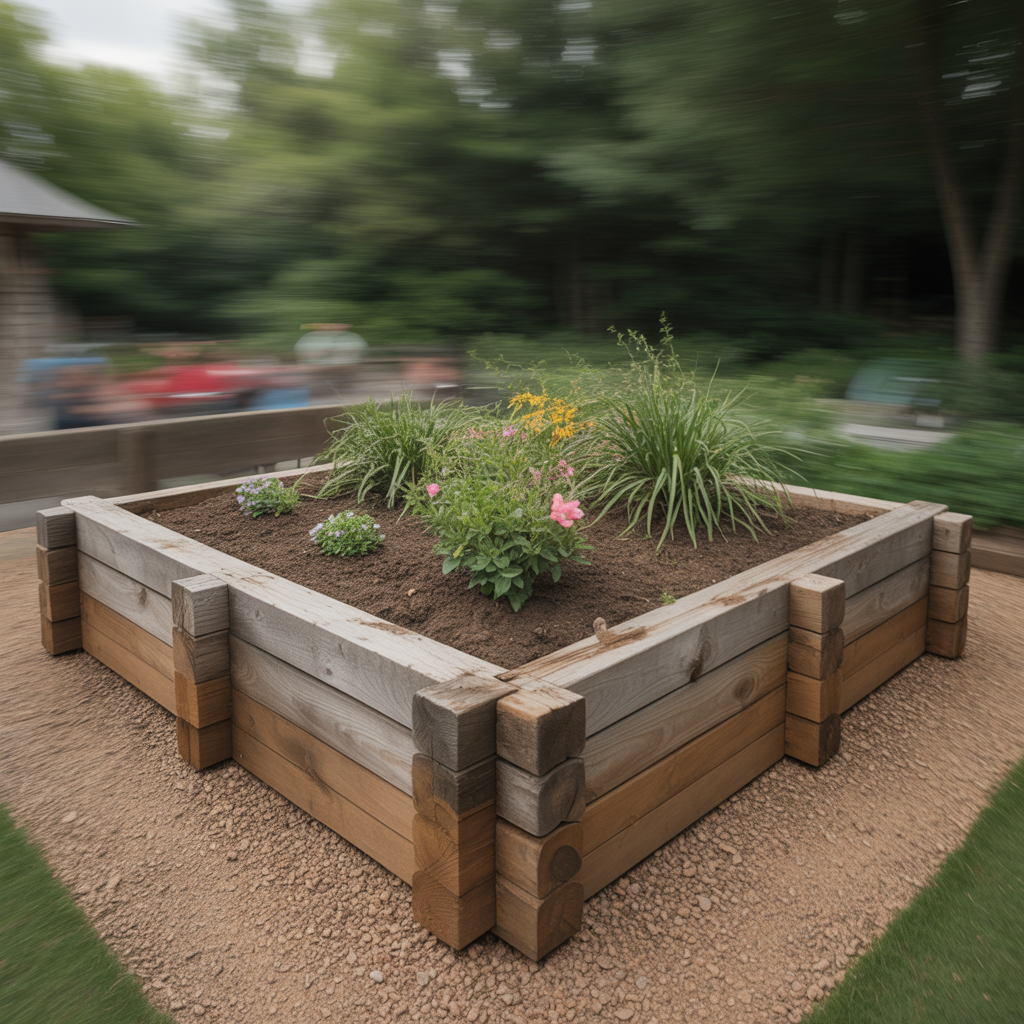
Old railroad ties or thick timbers make strong and rustic garden edges. They are perfect for creating raised garden beds or borders around larger landscapes. Be sure to use untreated wood to avoid chemicals leaching into the soil. Railroad tie edging adds a rugged, countryside aesthetic and can last for years with proper installation and occasional sealing.
Gabion Wall Edging
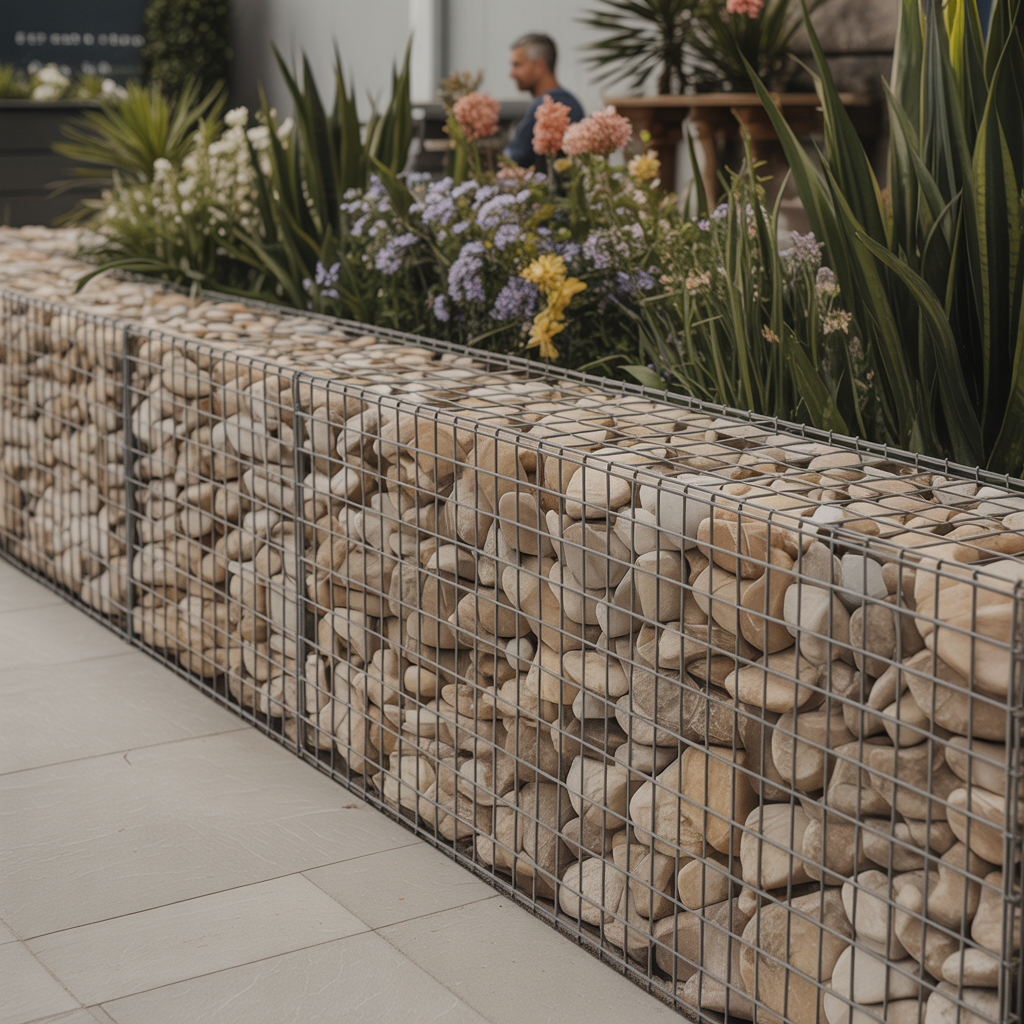
Gabions are wire cages filled with rocks or pebbles, often used in landscaping. They make bold, architectural garden edges that double as decorative features. Gabion edging is incredibly strong and resistant to erosion, making it suitable for sloped gardens or areas with heavy rain. You can customize the look by filling the cages with colorful stones or even recycled materials.
Bamboo Garden Edging
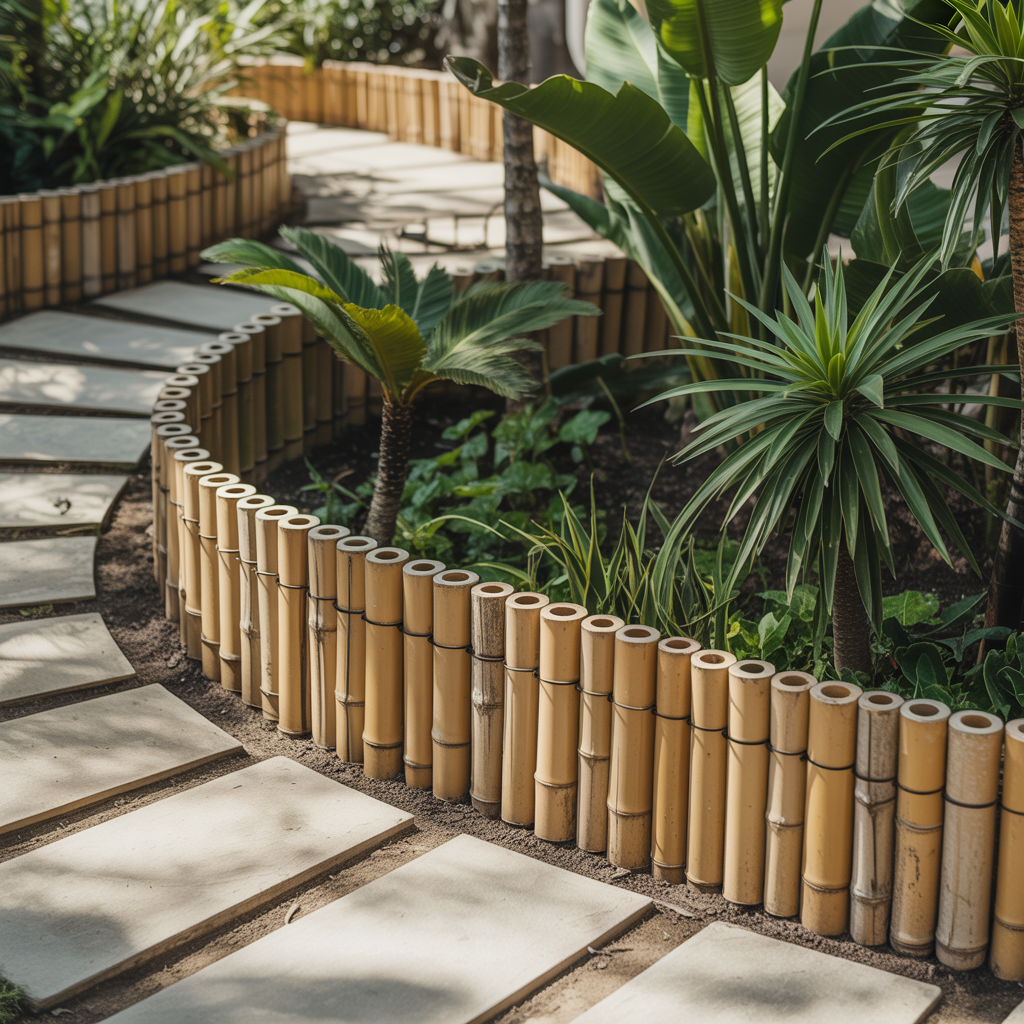
Bamboo is a lightweight, sustainable, and attractive material for edging. You can use whole bamboo poles or cut sections to form low fences around flower beds. Bamboo complements tropical or Asian-inspired gardens beautifully. To increase durability, treat the bamboo with a sealant and anchor it securely in the soil. It’s a renewable choice that adds natural charm to your garden.
Decorative Lighting Edging
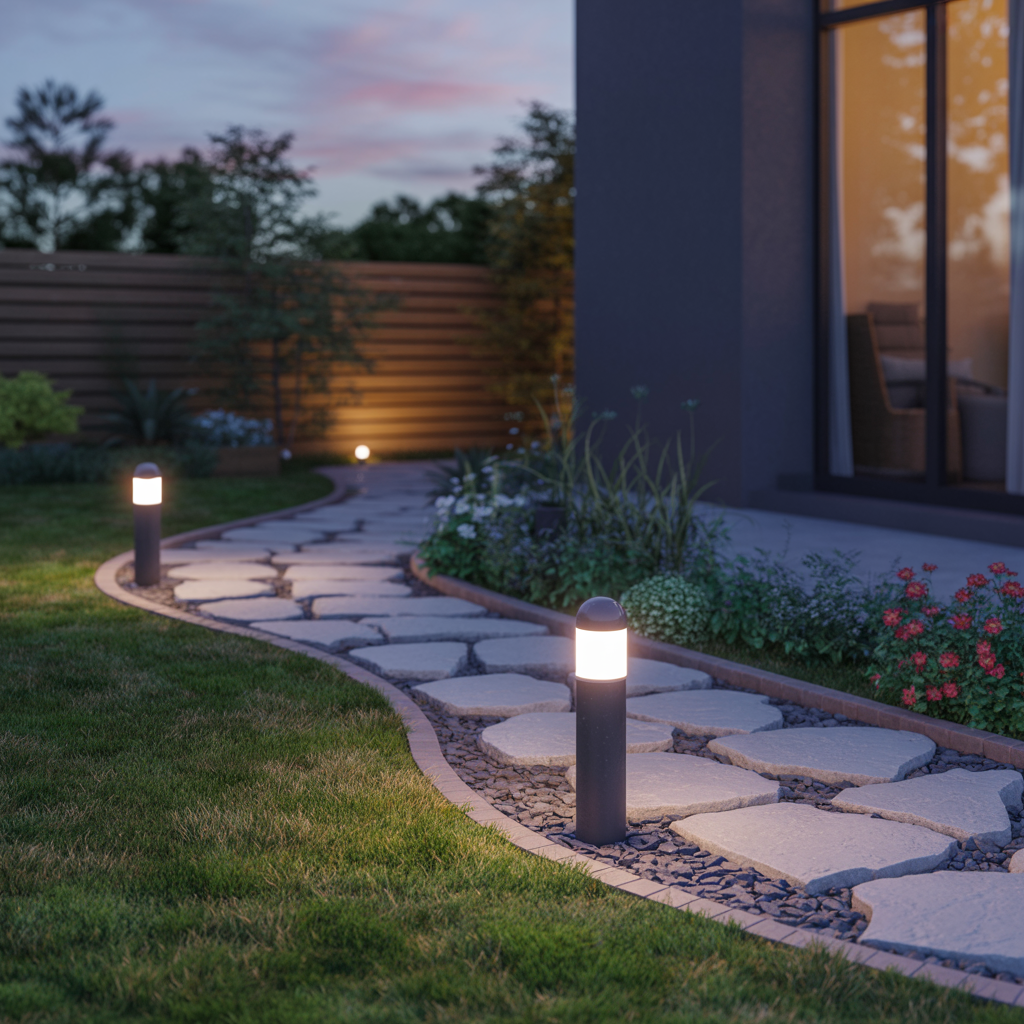
Garden edging DIY can also double as outdoor lighting. Solar-powered lights, LED strips, or glow-in-the-dark stones can be incorporated into borders to highlight pathways and flower beds at night. This not only makes your garden safer but also enhances its beauty after sunset. Lighting edging creates ambiance and is especially effective in entertaining spaces like patios and backyards.
FAQs About Garden Edging DIY
What is the easiest material for Garden Edging DIY?
Bricks and stones are the easiest materials to work with because they require minimal tools and are widely available.
How deep should I dig for Garden Edging DIY?
A trench of 4–6 inches is usually sufficient to secure most edging materials, though heavier materials like stone may require deeper foundations.
Can I use Garden Edging DIY on sloped areas?
Yes, but sloped areas may need stepped or tiered edging with secure anchoring to prevent materials from sliding. Gabion walls or timbers work best for slopes.
How long does wooden Garden Edging DIY last?
Untreated wood may last 3–5 years, while treated or rot-resistant wood like cedar can last 10 years or more with proper maintenance.
What’s the cheapest Garden Edging DIY option?
Using recycled materials such as bottles, old bricks, or leftover tiles is the most cost-effective option for DIY edging.
Conclusion about Garden Edging DIY
Garden Edging DIY is more than just a way to create boundaries; it’s an opportunity to showcase creativity and personality in your outdoor space. Whether you prefer the timeless look of brick, the rustic appeal of stone, or the eco-friendly charm of recycled materials, there’s a DIY edging style for every budget and garden type. With regular maintenance and a bit of imagination, your garden borders can transform from simple lines into statement-making features that enhance both beauty and functionality.